Climate Change Impacts and Conservation Lessons from Svalbard's Arctic Region
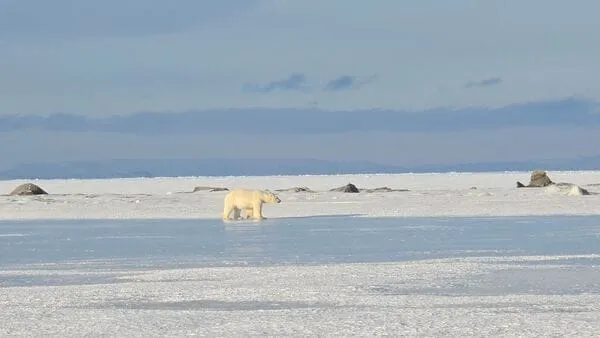
Svalbard, located in the Arctic Circle and among the fastest-warming regions globally, illustrates the profound impact of climate change, including glacier loss and rising sea levels. Observations of polar bears and the changing landscape highlight the urgency of protecting these wild areas. Despite challenges like melting ice affecting travel, the region offers lessons on climate effects worldwide, including influences on the Indian monsoon, and underscores the importance of responsible tourism and collective action.
First-hand measurement across 2 sources
We measured how 2 outlets covered this story. Coverage leans balanced overall (Left 5%, Centre 93%, Right 2%). Overall sentiment is positive (68/100). Lens Score 25/100 — low public interest.
Outlets analysed (first-hand measurement by TBN's Bias Engine):
- mint— balanced framing, neutral sentiment
- mint— balanced framing, positive sentiment
AI Analysis
The articles present a largely scientific and environmental perspective focused on climate change effects in the Arctic without evident political framing. They emphasize ecological observations and responsible tourism, reflecting environmental advocacy viewpoints while avoiding partisan or ideological positions. The coverage centers on global climate concerns and local impacts, representing a consensus on climate urgency rather than political debate.
The tone across the articles is cautiously concerned yet hopeful, balancing the seriousness of climate change impacts with messages of agency and responsibility. While highlighting environmental degradation and travel challenges due to warming, the narrative also conveys appreciation for the Arctic's natural beauty and the potential for positive action, resulting in a mixed but constructive sentiment.