The History, Popularity, and Unique Qualities of Tea in India
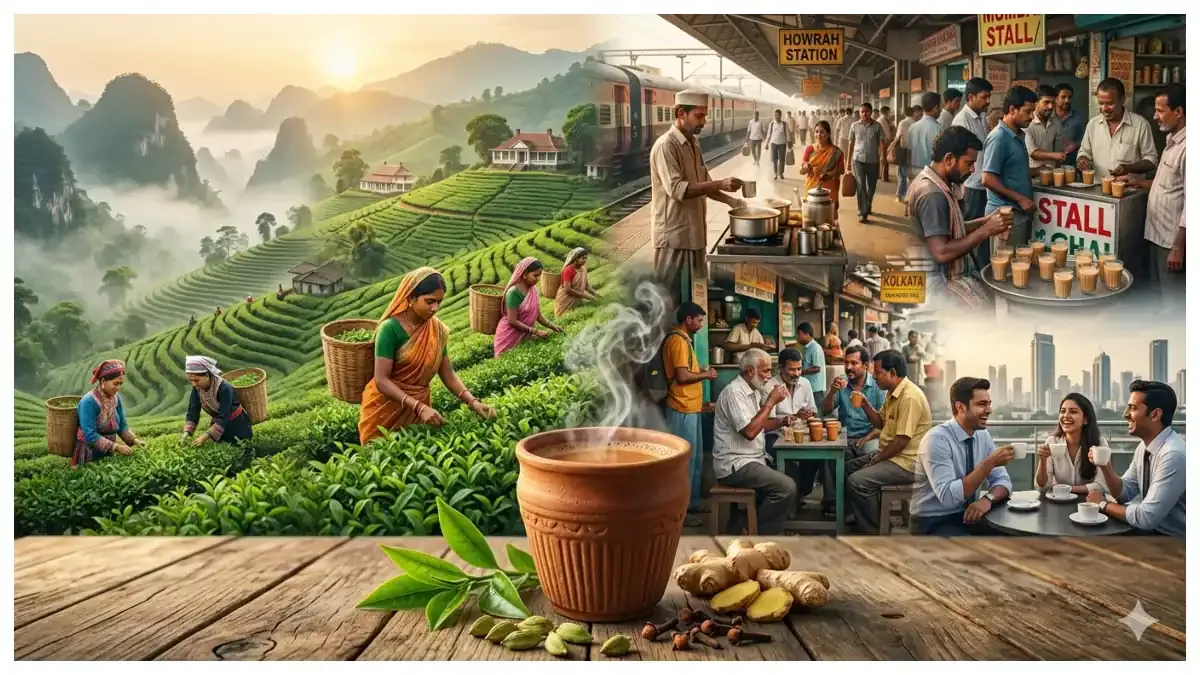
Tea, originally native to parts of northeastern India, became a national staple through British colonial cultivation and cultural adaptation. India is now the world's second-largest tea producer and largest consumer, with over a billion cups consumed daily. Masala chai, rooted in Ayurvedic traditions, is widely popular for its flavor and health benefits. Darjeeling tea, known as the "Champagne of Teas," is globally prized for its unique taste shaped by high-altitude growing conditions and colonial-era plantations.
First-hand measurement across 3 sources
We measured how 3 outlets covered this story. Coverage leans balanced overall (Left 0%, Centre 100%, Right 0%). Overall sentiment is positive (78/100). Lens Score 25/100 — low public interest.
Outlets analysed (first-hand measurement by TBN's Bias Engine):
- firstpost— balanced framing, positive sentiment
- thestatesman— balanced framing, positive sentiment
- firstpost— balanced framing, positive sentiment
AI Analysis
The articles present a largely historical and cultural perspective on tea in India, focusing on colonial influences and indigenous traditions without political framing. They highlight British colonial roles in tea cultivation alongside Indian adoption and innovation, reflecting a neutral stance that acknowledges multiple historical actors and cultural contributions.
The overall tone is positive and celebratory, emphasizing tea's cultural significance, health benefits, and unique qualities like Darjeeling's flavor. The coverage is appreciative of tea's role in Indian life and heritage, with no critical or negative sentiment, portraying tea as a unifying and valued beverage.
How 3 sources covered this story
Each source's own headline, political lean, and sentiment — so you can see framing differences at a glance.