Skip to content
Get the Balanced News app for a better experience!
The Balanced News Logo
Analytics
The Balanced News Logo

Stay Balanced, Stay Informed

Menu
  • Browse News
  • Underreported Stories
  • Curated Feeds
  • Insights
  • Analytics
  • Our Writers
  • About Us
  • Download App
Learn
  • How It Works
  • Bias Detection
  • Lens Score
  • Source Bias Checker
  • Accountability
  • Custom Feeds
Newsroom
  • Writers & Analysts
  • About TBN
  • Editorial Standards
  • Corrections Policy
  • Our Partners
  • Insights
Socials
  • Youtube
  • Instagram
  • X
  • Facebook
News Categories
  • Trending
  • Politics
  • Sports
  • Business
  • Tech
  • Entertainment
  • Health
  • Science
  • Crime
  • Lifestyle
  • National
  • International
  • Good News
  • Crypto

Get Our App

Available for iOS and Android


LensFeedsInsightsAnalyticsTrendingGood NewsSportsPoliticsBusinessCrimeTechEntertainmentHealthNationalInternational

© 2026 The Balanced News. All rights reserved.

About UsEditorial StandardsCorrectionsHelp & SupportPrivacy PolicyTerms & Conditions
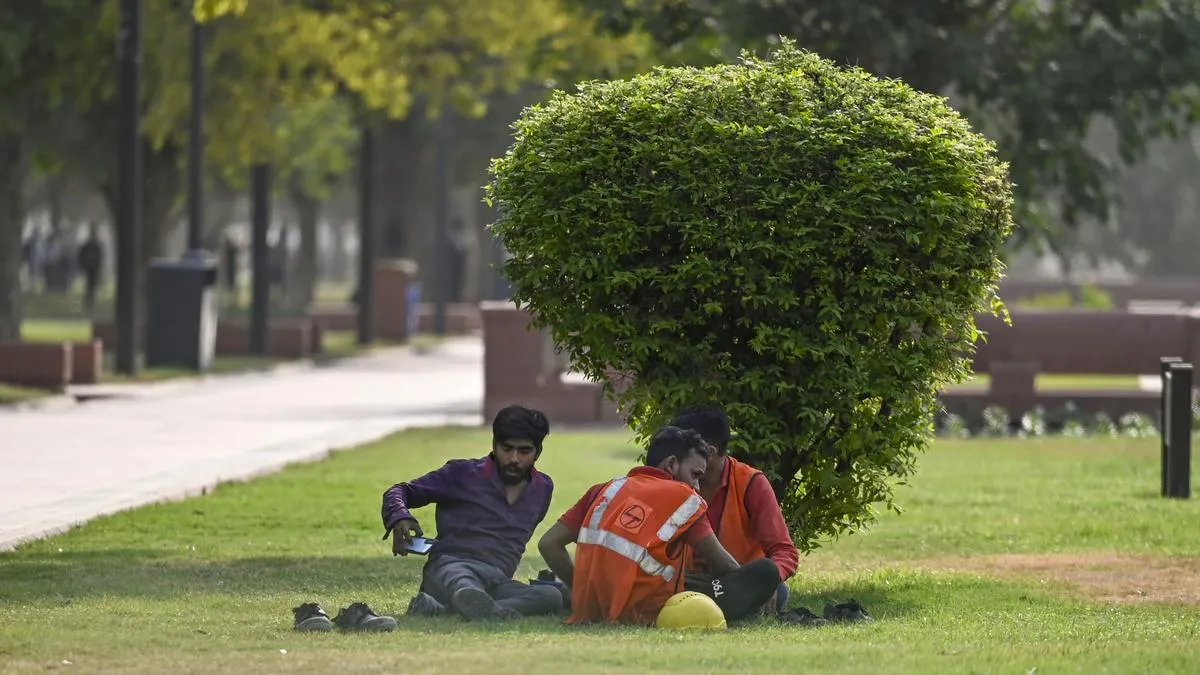
Uneven Access to Cooling and Public Spaces Challenges Indian City Residents
Categories

Categories

Related Coverage

Select a news story to see related coverage from other media outlets.

Related Coverage

Select a news story to see related coverage from other media outlets.

  1. Home
  2. /
  3. social

Uneven Access to Cooling and Public Spaces Challenges Indian City Residents

Reviewed byAniket Awate· Culture & Digital Media Writer· Edited byOjas Kale
Analysed 6 Jun 2026·2 sources analysed·Noida, India·social
Uneven Access to Cooling and Public Spaces Challenges Indian City ResidentsPreviousNext

Indian cities face uneven distribution of cooling infrastructure and public spaces, disproportionately affecting gig and domestic workers who spend long hours outdoors in high temperatures. Affluent areas often have well-maintained parks and green belts, while marginalized workers lack access to rest areas. Urban redevelopment and removal of street vendors further restrict public space, raising concerns about inclusivity and safety. Citizens and experts advocate reclaiming city spaces to ensure equitable access for all residents, including vulnerable groups.

TBN's observations

First-hand measurement across 2 sources

We measured how 2 outlets covered this story. Coverage leans left-leaning overall (Left 62%, Centre 38%, Right 0%). Overall sentiment is neutral (40/100). Lens Score 39/100 — moderate-to-low public interest.

Outlets analysed (first-hand measurement by TBN's Bias Engine):

  • thehindu— left-leaning framing, neutral sentiment
  • thehindu— left-leaning framing, neutral sentiment
Political Bias
62%38%0%
Sentiment
40%
AI analysis of 2 sources · Published under editorial oversight by The Balanced News
Analysed 6 Jun 2026· How this analysis is produced· Editorial standards· Corrections

AI Analysis

Political bias across 2 sources
● Left 62%● Center 38%● Right 0%

The articles present perspectives highlighting urban inequality without partisan framing. They include voices of labor advocates, urban planners, and residents, emphasizing social justice and inclusivity concerns. The coverage critiques current urban development policies for marginalizing working-class populations but does so through descriptive accounts rather than political partisanship, reflecting a focus on social and urban planning issues.

Sentiment — Neutral (40/100)

The tone across the articles is largely critical, focusing on challenges faced by marginalized workers and the negative impacts of urban redevelopment on public space access. However, it also includes constructive viewpoints advocating for reclaiming city spaces and improving inclusivity, resulting in a mixed but predominantly concerned sentiment.

How 2 sources covered this story

Each source's own headline, political lean, and sentiment — so you can see framing differences at a glance.

← Previous
Courts Address Child Sexual Offence Convictions, Trauma, and Abuse Reporting in Kerala and Tamil Nadu
Next →
Delhi and Punjab-Haryana Courts Uphold Maintenance Obligations Despite Unemployment or Student Status
SourceTheir headlineBiasSentiment
thehinduNo place to rest In sweltering Indian cities, relief is unevenly distributedLeftNeutral
thehinduTake back the streets Citizens in India's cities don't want to shrink to the peripheriesLeftNeutral

Coverage timeline

thehindu broke this story on 6 Jun, 05:51 am. Other outlets followed.

  1. 1
    thehindu6 Jun, 05:51 am
    No place to rest In sweltering Indian cities, relief is unevenly distributed
  2. 2
    thehindu6 Jun, 05:51 am
    Take back the streets Citizens in India's cities don't want to shrink to the peripheries

Lens Score breakdown

39/100
Public interest0/100
Coverage gap100%

Story is receiving appropriate media attention relative to public interest.

Accountability flags

TBN's analysis identified the following accountability dimensions in this story.

  • systemic failure

    This story points to a failure in institutional processes — regulation, safety, oversight, or service delivery breaking down at scale.

  • public safety issue

    This story involves a risk to public safety — infrastructure failure, regulatory lapse, hazardous conditions, or emergency mishandling.

  • rights violation

    This story involves alleged violations of constitutional or human rights — freedom of expression, due process, custodial rights, minority rights.

Who's involved

Institutions and figures named across source coverage.

Government
Bruhat Bengaluru Mahanagara PalikeMCG HaryanaPune Municipal CorporationUN-HabitatGreater Chennai CorporationWorld Health OrganizationKarnataka Parks, Play-fields and Open Spaces (Preservation and Regulation) Act, 1985

Story context

Category
Social
Location
Noida, India
Sources analysed
2
Last analysed
6 Jun 2026
Key entities
BangaloreChennaiIndiaMumbaiSwiggyWorking classNew DelhiHyderabadGig workerDark storeReliefDomestic worker