UNICEF Warns 3.7 Million Afghan Children at Risk of Undernutrition in 2026
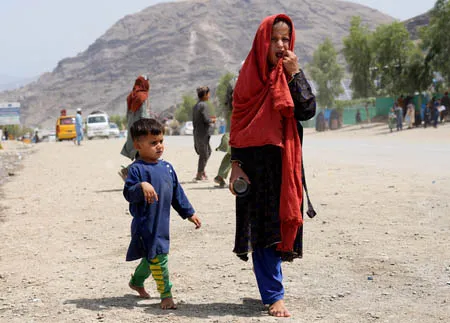
UNICEF reports that 3.7 million children under five in Afghanistan face increased risk of undernutrition in 2026, with acute malnutrition worsening in 26 of 34 provinces. Most severe cases affect children under two, especially in food-insecure households. UNICEF highlights the need for early intervention focusing on young children's and pregnant women's diets, amid challenges like disease outbreaks, low immunisation, poor sanitation, and funding gaps.
First-hand measurement across 2 sources
We measured how 2 outlets covered this story. Coverage leans balanced overall (Left 5%, Centre 95%, Right 0%). Overall sentiment is negative (30/100). Lens Score 28/100 — low public interest.
Outlets analysed (first-hand measurement by TBN's Bias Engine):
- easternmirror— balanced framing, negative sentiment
- theassamtribune— balanced framing, negative sentiment
AI Analysis
The articles primarily present UNICEF's findings and statements without political framing. The coverage focuses on humanitarian and health aspects, reflecting perspectives from an international agency and its representative. There is no evident political bias, as the reports emphasize factual data and calls for intervention without attributing responsibility or engaging in political debate.
The tone across the articles is serious and concerned, highlighting worsening malnutrition risks and urgent needs for prevention and treatment. While the situation is described as deteriorating, the inclusion of UNICEF's call for action introduces a constructive element. Overall, the sentiment is cautiously urgent but balanced, focusing on raising awareness rather than evoking alarm.
How 2 sources covered this story
Each source's own headline, political lean, and sentiment — so you can see framing differences at a glance.