India Reaffirms Commitment to Ending AIDS by 2030 at UN High-Level Meeting
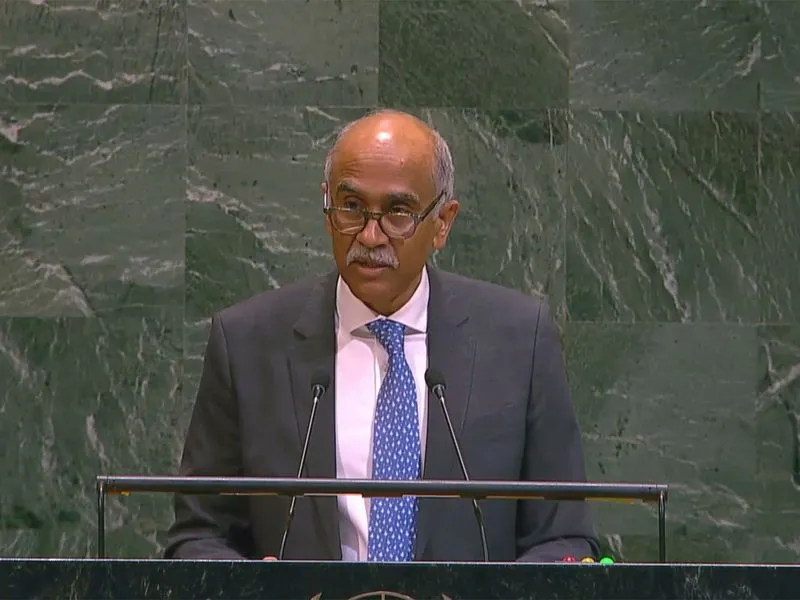
India's Permanent Representative to the UN, Harish Parvathaneni, reaffirmed the country's commitment to ending AIDS as a public health threat by 2030 during the UN High-Level Meeting on HIV/AIDS. He highlighted India's National AIDS and STD Control Programme, emphasizing evidence-based planning, community engagement, and integrated services that have reduced new infections and AIDS-related deaths. India supports the 2026 Political Declaration's focus on sustainable financing, country ownership, equitable access to affordable medicines, and the Triple Elimination Strategy to prevent mother-to-child transmission of HIV, syphilis, and hepatitis B.
First-hand measurement across 2 sources
We measured how 2 outlets covered this story. Coverage leans balanced overall (Left 0%, Centre 100%, Right 0%). Overall sentiment is positive (72/100). Lens Score 34/100 — low public interest.
Outlets analysed (first-hand measurement by TBN's Bias Engine):
- thetribune— balanced framing, positive sentiment
- thetribune— balanced framing, positive sentiment
AI Analysis
The articles primarily present India's official stance through statements by its UN Permanent Representative, reflecting a government perspective focused on public health commitments and international cooperation. There is no evident partisan framing or opposition viewpoints, as the coverage centers on India's policy positions and support for global HIV/AIDS initiatives.
The tone across the articles is positive and forward-looking, emphasizing progress made and ongoing efforts to combat HIV/AIDS. While acknowledging challenges like inequalities and financing constraints, the coverage maintains an optimistic outlook on achieving the 2030 goal through sustained national and global actions.
How 2 sources covered this story
Each source's own headline, political lean, and sentiment — so you can see framing differences at a glance.