India Enhances Himalayan Tourism and Kailash Mansarovar Pilgrimage Support for 2026
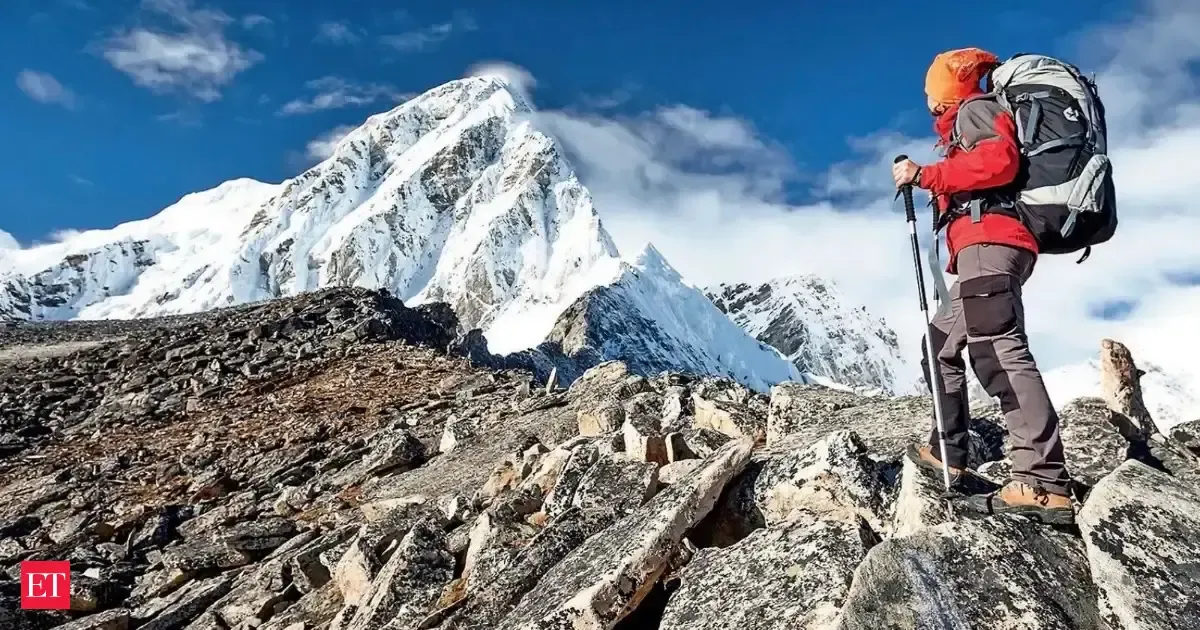
India is increasing focus on Himalayan tourism, with a recent budget allocation of ₹2,500 crore for developing trekking routes and training guides. While Nepal's trekking industry is well-organized, India's infrastructure and environmental management face criticism. The sacred Kailash Mansarovar Yatra is preparing for higher pilgrim numbers in 2026, with private operators enhancing welfare and support. Historian Alex McKay's work highlights the spiritual significance of Mount Kailash, reflecting the region's cultural and religious importance amid evolving tourism dynamics.
First-hand measurement across 4 sources
We measured how 4 outlets covered this story. Coverage leans balanced overall (Left 10%, Centre 88%, Right 2%). Overall sentiment is neutral (56/100). Lens Score 21/100 — low public interest.
Outlets analysed (first-hand measurement by TBN's Bias Engine):
- economictimes— balanced framing, neutral sentiment
- thehindu— balanced framing, neutral sentiment
- thetribune— balanced framing, positive sentiment
- mint— balanced framing, neutral sentiment
AI Analysis
The articles collectively present a range of perspectives including government initiatives on tourism funding, critiques of India's infrastructure compared to Nepal, and private sector involvement in pilgrimage welfare. Coverage includes cultural and spiritual viewpoints through historical and pilgrimage narratives, reflecting a balanced mix of policy, social, and religious angles without partisan framing.
The overall tone is mixed but constructive, acknowledging challenges in infrastructure and environmental concerns while highlighting positive developments such as increased funding, improved pilgrimage support, and cultural appreciation. The sentiment balances critique with optimism about future improvements and growing recognition of the Himalayas' spiritual and economic value.
How 4 sources covered this story
Each source's own headline, political lean, and sentiment — so you can see framing differences at a glance.