FIFA World Cup 2026 Highlights Growing Influence of Geopolitics and Tribalism in Football
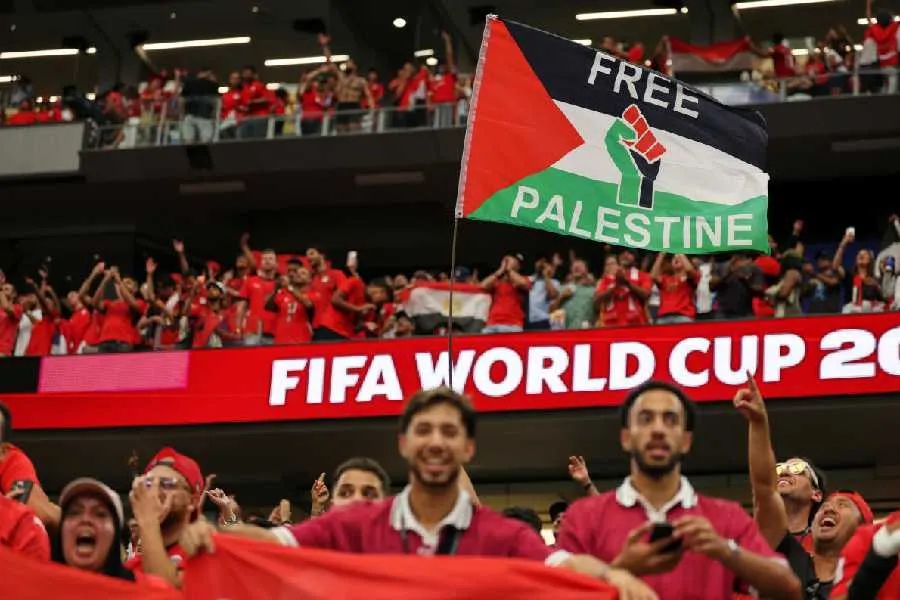
The 2026 FIFA World Cup has seen football fandom influenced increasingly by geopolitical tensions and identity politics, with allegiances shaped by broader conflicts beyond the sport. Discussions have shifted from players' skills to issues like colonialism, racism, and national symbolism, as seen in debates around teams like England and Argentina. Psychological research suggests such tribalism stems from inherent social group dynamics, where sports become a platform for expressing deeper social and political identities.
First-hand measurement across 3 sources
We measured how 3 outlets covered this story. Coverage leans balanced overall (Left 13%, Centre 84%, Right 3%). Overall sentiment is neutral (48/100). Lens Score 21/100 — low public interest.
Outlets analysed (first-hand measurement by TBN's Bias Engine):
- firstpost— balanced framing, neutral sentiment
- thestatesman— balanced framing, neutral sentiment
- thetelegraph— balanced framing, neutral sentiment
AI Analysis
The articles present multiple perspectives on how political and social identities intersect with football fandom. One highlights specific geopolitical conflicts influencing fan behavior, while the other explores psychological explanations for tribalism without endorsing any political stance. Both sources frame the story around the broader phenomenon of identity shaping sports allegiances rather than promoting a particular political viewpoint.
The overall tone is analytical and neutral, focusing on explaining the complex interplay between football and politics. Coverage neither celebrates nor condemns the politicization of the sport but instead seeks to understand the emotional and social dynamics behind fan behavior. The sentiment is balanced, combining factual reporting with psychological insights without emotional bias.