Skip to content
Get the Balanced News app for a better experience!
The Balanced News Logo
Analytics
The Balanced News Logo

Stay Balanced, Stay Informed

Menu
  • Browse News
  • Underreported Stories
  • Curated Feeds
  • Insights
  • Analytics
  • Our Writers
  • About Us
  • Download App
Learn
  • How It Works
  • Bias Detection
  • Lens Score
  • Source Bias Checker
  • Accountability
  • Custom Feeds
Newsroom
  • Writers & Analysts
  • About TBN
  • Editorial Standards
  • Corrections Policy
  • Our Partners
  • Insights
Socials
  • Youtube
  • Instagram
  • X
  • Facebook
News Categories
  • Trending
  • Politics
  • Sports
  • Business
  • Tech
  • Entertainment
  • Health
  • Science
  • Crime
  • Lifestyle
  • National
  • International
  • Good News
  • Crypto

Get Our App

Available for iOS and Android


LensFeedsInsightsAnalyticsTrendingGood NewsSportsPoliticsBusinessCrimeTechEntertainmentHealthNationalInternational

© 2026 The Balanced News. All rights reserved.

About UsEditorial StandardsCorrectionsHelp & SupportPrivacy PolicyTerms & Conditions
Studies Show Green Roofs, Cool Pavements, and Reflective Roofs Reduce Urban Heat
Categories

Categories

Related Coverage

Select a news story to see related coverage from other media outlets.

Related Coverage

Select a news story to see related coverage from other media outlets.

  1. Home
  2. /
  3. Social

Studies Show Green Roofs, Cool Pavements, and Reflective Roofs Reduce Urban Heat

Analysed 7 Sept 2026·3 sources analysed·Merritt Island, Florida, United States·Social
Studies Show Green Roofs, Cool Pavements, and Reflective Roofs Reduce Urban HeatPreviousNext

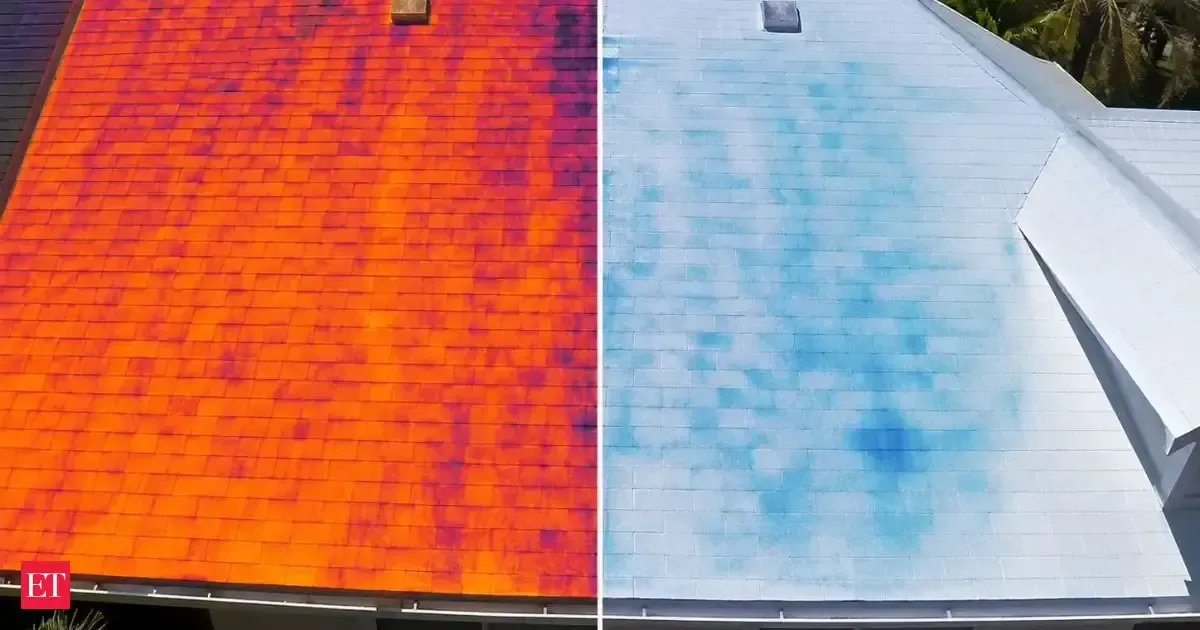
Research from multiple U.S. cities shows that green roofs, cool pavements, and reflective roofing materials can significantly reduce surface temperatures and lower cooling energy demands. Studies in St. Paul, Irvine, and Merritt Island found temperature reductions ranging from 7 to 60 degrees Fahrenheit, leading to decreased urban heat and energy costs. These strategies address rising urban temperatures and heat-related health risks by mitigating heat absorption in buildings and streets through vegetation, reflective coatings, and lighter materials.

Sentiment
62%
TBN's observations

First-hand measurement across 3 sources

We measured how 3 outlets covered this story. No outlet gave this story a measurable political slant — there is no left–right reading to report. Overall sentiment is positive (62/100). Lens Score 39/100.

Outlets measured: economictimes, economictimes, economictimes. See how each one headlined and framed the same story in the source comparison below.

AI analysis of 3 sources · Published under editorial oversight by The Balanced News
Analysed 7 Sept 2026· How this analysis is produced· Editorial standards· Corrections

AI Analysis

Sentiment — Positive (62/100)

Sentiment was consistent across outlets (55–68/100), indicating broadly factual reporting rather than editorialising.

Coverage timeline

economictimes broke this story on 6 Sept, 07:52 am. Other outlets followed.

6 Sept, 07:52 am3 sources · 24 h7 Sept, 07:43 am
AI analysis by the TBN Bias Engine · beat methodology byAniket Awate· Culture & Digital Media Writer· editorial standards byOjas Kale
← Previous
Dehradun College Students' Dance to 'Ooh La La' at Teachers' Day Sparks Debate
Next →
Breakthrough Announces Speaker Line-Up for Reframe 2026 Summit on Women’s Workforce Participation
  1. 1
    economictimes6 Sept, 07:52 am
    Irvine coated a half-mile stretch of two connected streets with cool pavement; August and September measurements found the treated asphalt ran about 7-10 F cooler
  2. 2
    economictimes7 Sept, 07:33 am
    In St. Paul, Penfield added a vegetated roof over a conventional membrane; monitoring found the green-roof membrane peaked about 51 F cooler than the conventional roof
  3. 3
    economictimes7 Sept, 07:43 am
    In 1991, researchers coated a Merritt Island home's green-gray shingle roof with reflective material; the shingles reached about 110 F after treatment

Who's involved

Institutions and figures named across source coverage.

Government
United States Environmental Protection AgencyUniversity of PennsylvaniaCity of San AntonioEnvironmental Protection AgencyCity Council of PhoenixPublic Works and Sustainability Department of the City of IrvineLawrence Berkeley National LaboratoryFlorida Solar Energy Center

Story context

Category
Social
Location
Merritt Island, Florida, United States
Sources analysed
3
Last analysed
7 Sept 2026
Key entities
TemperatureUrban heat islandUnited StatesAsphalt concreteAlternating currentThermal insulationUnited States Environmental Protection AgencyFahrenheitReflectanceGreen roofSaint Paul, MinnesotaThermodynamics