Delhi Pavement Dwellers Face Safety Risks Amid Shelter Shortages
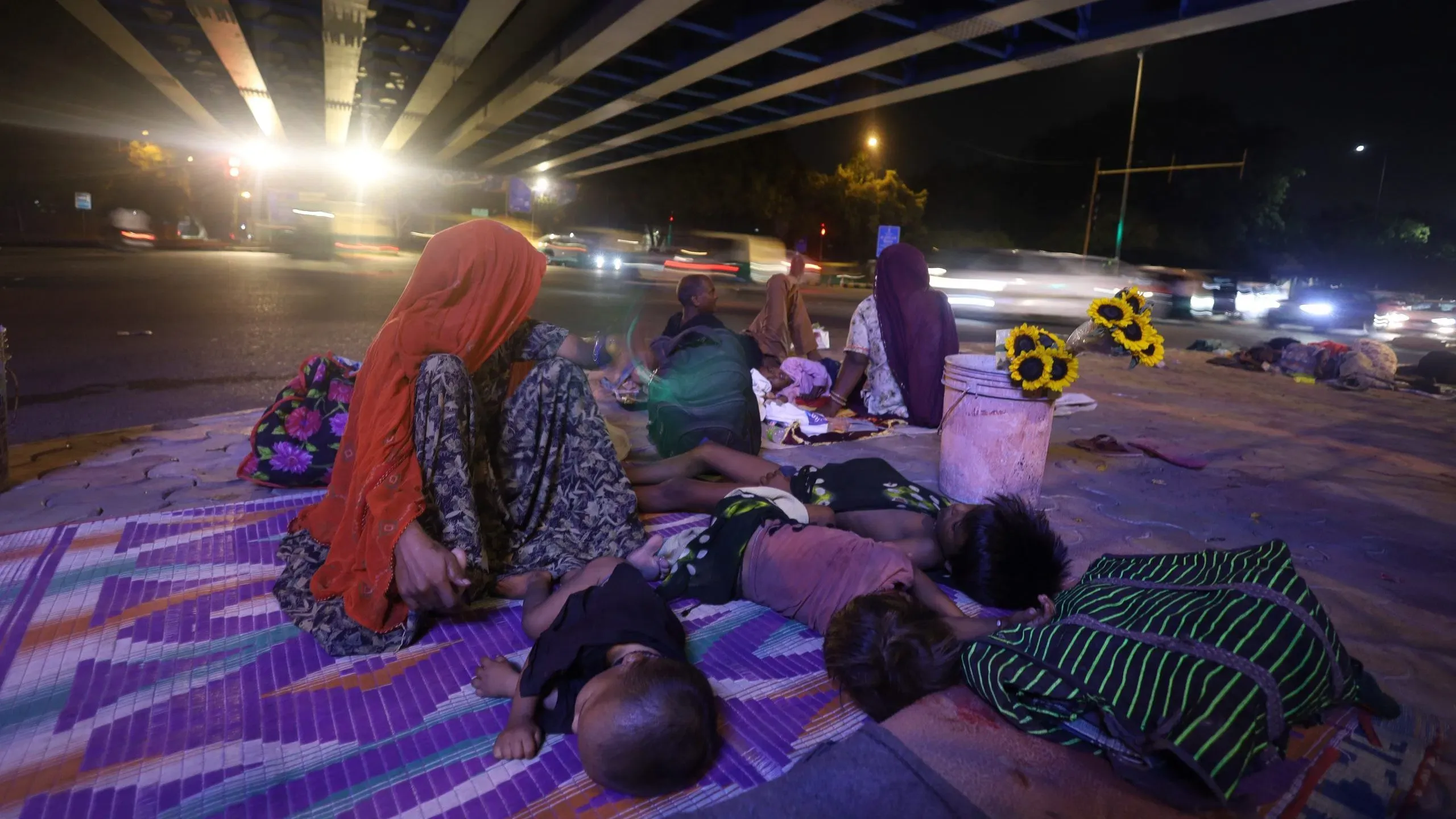
The recent abduction, rape, and murder of an 11-year-old girl sleeping on a pavement in South Delhi has spotlighted the vulnerability of over 32,000 homeless women and hundreds of families living on Delhi's streets. Despite having more than 200 shelter homes, only a fraction accommodate women, forcing many to sleep in unsafe public spaces. Residents adopt measures like sleeping in shifts and choosing locations near CCTV or petrol pumps for safety, yet access to basic amenities remains limited amid overcrowded shelters and inadequate support.
First-hand measurement across 2 sources
We measured how 2 outlets covered this story. Coverage leans left-leaning overall (Left 70%, Centre 30%, Right 0%). Overall sentiment is negative (25/100). Lens Score 42/100 — moderate-to-low public interest.
Outlets analysed (first-hand measurement by TBN's Bias Engine):
- thehindu— left-leaning framing, negative sentiment
- theprint— left-leaning framing, negative sentiment
AI Analysis
The articles present a largely humanitarian perspective focusing on the plight of homeless individuals in Delhi without explicit political framing. They highlight systemic inadequacies in shelter availability and safety concerns, referencing official data and expert opinions. The coverage includes voices from affected residents and social workers, reflecting concerns about government shelter provisions without partisan critique.
The tone across the articles is somber and concerned, emphasizing the hardships and dangers faced by homeless women and families. While the coverage is factual and descriptive, it conveys a sense of urgency and vulnerability, particularly following the tragic incident. There is no overtly emotional or sensational language, maintaining a respectful and serious sentiment throughout.