India Launches Widespread Inspections and Crackdowns on Coaching Centres After Lucknow Fire
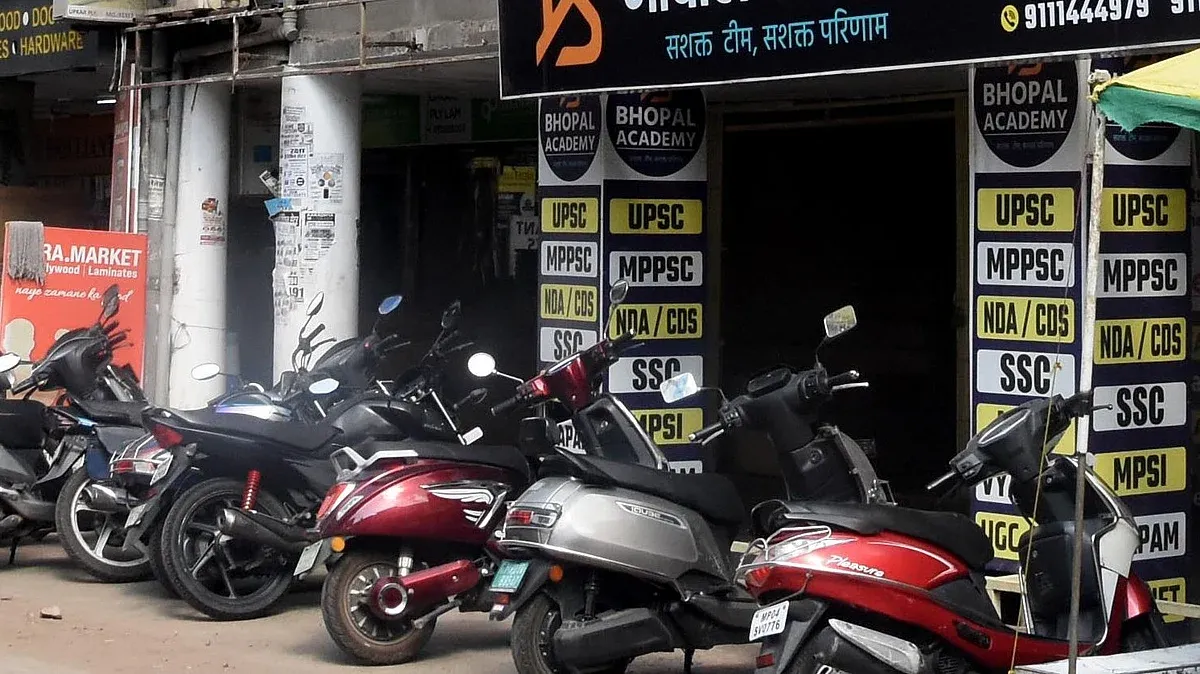
Following a deadly fire at a coaching centre in Lucknow that claimed 15 lives, authorities across multiple Indian states, including Uttar Pradesh, Madhya Pradesh, Delhi, Rajasthan, and Chandigarh, have launched extensive inspections and crackdowns on coaching institutes. These drives focus on fire safety compliance, building permissions, emergency exits, and registration under relevant regulations. Numerous coaching centres have been sealed or issued notices for violations such as operating without fire NOCs, using basements illegally, blocked emergency exits, and poor ventilation. State governments, led notably by Uttar Pradesh, are intensifying enforcement to ensure student safety and regulatory adherence.
First-hand measurement across 15 sources
We measured how 15 outlets covered this story. Coverage leans balanced overall (Left 12%, Centre 78%, Right 10%). Overall sentiment is neutral (43/100). Lens Score 40/100 — moderate-to-low public interest.
Outlets analysed (first-hand measurement by TBN's Bias Engine):
- businessstandard— balanced framing, neutral sentiment
- indiatoday— balanced framing, negative sentiment
- news18— balanced framing, neutral sentiment
- theprint— balanced framing, neutral sentiment
- theprint— right-leaning framing, positive sentiment
- hindustantimes— balanced framing, neutral sentiment
- hindustantimes— balanced framing, neutral sentiment
- news18— balanced framing, negative sentiment
AI Analysis
The article group predominantly reflects government and official perspectives emphasizing regulatory enforcement and safety compliance following the Lucknow fire tragedy. Coverage includes statements from state officials and ministers outlining actions taken and policy measures. Some reports highlight systemic issues like regulatory lapses and corruption, presenting a critical view of administrative oversight. Overall, the sources balance official responses with investigative findings, representing both governmental accountability efforts and critiques of enforcement failures.
The overall tone across the articles is serious and cautionary, focusing on the tragic loss of life and the urgent need for improved safety measures. While the coverage underscores failures and negligence contributing to risks, it also highlights proactive government actions and inspection drives aimed at preventing future incidents. The sentiment is mixed, combining concern and criticism with a constructive emphasis on enforcement and reform efforts.