Skip to content
Get the Balanced News app for a better experience!
The Balanced News Logo
Analytics
The Balanced News Logo

Stay Balanced, Stay Informed

Menu
  • Browse News
  • Underreported Stories
  • Curated Feeds
  • Insights
  • Analytics
  • Our Writers
  • About Us
  • Download App
Learn
  • How It Works
  • Bias Detection
  • Lens Score
  • Source Bias Checker
  • Accountability
  • Custom Feeds
Newsroom
  • Writers & Analysts
  • About TBN
  • Editorial Standards
  • Corrections Policy
  • Our Partners
  • Insights
Socials
  • Youtube
  • Instagram
  • X
  • Facebook
News Categories
  • Trending
  • Politics
  • Sports
  • Business
  • Tech
  • Entertainment
  • Health
  • Science
  • Crime
  • Lifestyle
  • National
  • International
  • Good News
  • Crypto

Get Our App

Available for iOS and Android


LensFeedsInsightsAnalyticsTrendingGood NewsSportsPoliticsBusinessCrimeTechEntertainmentHealthNationalInternational

© 2026 The Balanced News. All rights reserved.

About UsEditorial StandardsCorrectionsHelp & SupportPrivacy PolicyTerms & Conditions
Reports Warn of Stronger El Niño and Continued Global Warming Beyond 1.5°C Limit
Categories

Categories

Related Coverage

Select a news story to see related coverage from other media outlets.

Related Coverage

Select a news story to see related coverage from other media outlets.

  1. Home
  2. /
  3. Social

Reports Warn of Stronger El Niño and Continued Global Warming Beyond 1.5°C Limit

Analysed 26 Oct 2026·2 sources analysed·India·Social
Reports Warn of Stronger El Niño and Continued Global Warming Beyond 1.5°C LimitPreviousNext

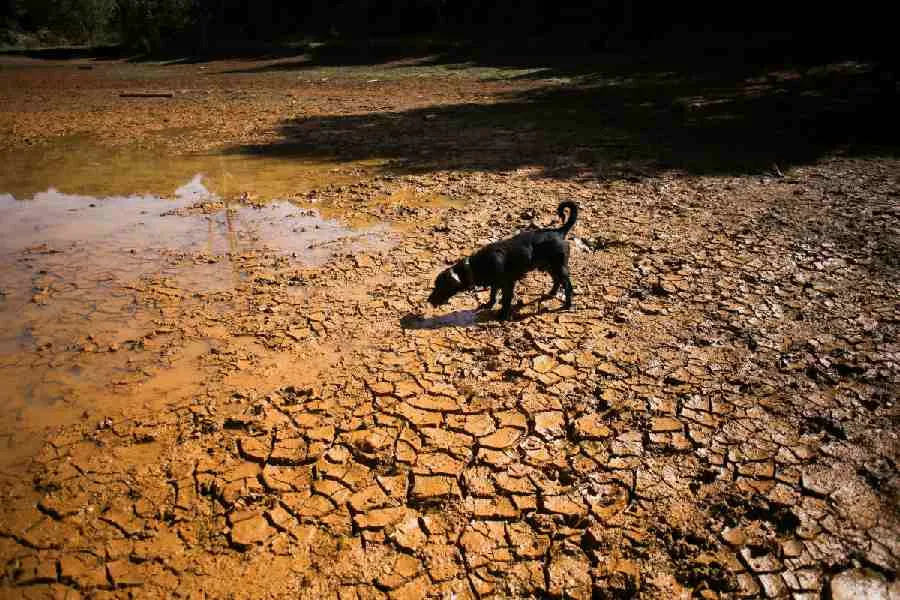
Two recent reports highlight the intensifying El Niño event, with Pacific sea temperatures forecasted to reach 3.8°C above average this winter. The World Meteorological Organization warns this could lead to widespread impacts, including warmer temperatures across multiple continents and disruptions to rainfall patterns. The United Nations reports that global warming is expected to exceed the 1.5°C target for at least the next 60 years, increasing climate risks such as floods, heatwaves, and threats to agriculture and public health, particularly in countries like India.

Sentiment
44%
TBN's observations

First-hand measurement across 2 sources

We measured how 2 outlets covered this story. No outlet gave this story a measurable political slant — there is no left–right reading to report. Overall sentiment is neutral (44/100). Lens Score 52/100.

Outlets measured: thetelegraph, thefinancialexpress. See how each one headlined and framed the same story in the source comparison below.

AI analysis of 2 sources · Published under editorial oversight by The Balanced News
Analysed 26 Oct 2026· How this analysis is produced· Editorial standards· Corrections

AI Analysis

Sentiment — Neutral (44/100)

Sentiment was consistent across outlets (38–50/100), indicating broadly factual reporting rather than editorialising.

Coverage timeline

thefinancialexpress broke this story on 25 Oct, 09:37 am. Other outlets followed.

25 Oct, 09:37 am2 sources · 17 h26 Oct, 02:16 am
AI analysis by the TBN Bias Engine · beat methodology byAniket Awate· Culture & Digital Media Writer· editorial standards byOjas Kale
← Previous
Maharishi Valmiki Jayanti 2026 Observed with Tributes and Heritage Developments
Next →
20-Year-Old's Kidney Donation Gives Two Patients New Lease of Life at PGIMER
1
thefinancialexpress25 Oct, 09:37 am
El nino set to strengthen: 10 global weather changes to watch this winter
  • 2
    thetelegraph26 Oct, 02:16 am
    Point-of-no-return alert on El Niño in two reports as 1.5 C warming limit slips away
  • Who's involved

    Institutions and figures named across source coverage.

    Government
    World Meteorological OrganisationUnited NationsWorld Meteorological OrganizationUnited Nations Environment Programme

    Story context

    Category
    Social
    Location
    India
    Sources analysed
    2
    Last analysed
    26 Oct 2026
    Key entities
    World Meteorological OrganizationEl NiñoIndiaPacific OceanClimate changeThe IndependentMonsoonPublic healthLondonGreenhouse gas emissionsInger Andersen (environmentalist)Climate risk