Skip to content
Get the Balanced News app for a better experience!
The Balanced News Logo
Analytics
The Balanced News Logo

Stay Balanced, Stay Informed

Menu
  • Browse News
  • Underreported Stories
  • Curated Feeds
  • Insights
  • Analytics
  • Our Writers
  • About Us
  • Download App
Learn
  • How It Works
  • Bias Detection
  • Lens Score
  • Source Bias Checker
  • Accountability
  • Custom Feeds
Newsroom
  • Writers & Analysts
  • About TBN
  • Editorial Standards
  • Corrections Policy
  • Our Partners
  • Insights
Socials
  • Youtube
  • Instagram
  • X
  • Facebook
News Categories
  • Trending
  • Politics
  • Sports
  • Business
  • Tech
  • Entertainment
  • Health
  • Science
  • Crime
  • Lifestyle
  • National
  • International
  • Good News
  • Crypto

Get Our App

Available for iOS and Android


LensFeedsInsightsAnalyticsTrendingGood NewsSportsPoliticsBusinessCrimeTechEntertainmentHealthNationalInternational

© 2026 The Balanced News. All rights reserved.

About UsEditorial StandardsCorrectionsHelp & SupportPrivacy PolicyTerms & Conditions
Indian Wildlife Conservation and Safari Tourism Focus on Tigers and Coexistence
Categories

Categories

Related Coverage

Select a news story to see related coverage from other media outlets.

Related Coverage

Select a news story to see related coverage from other media outlets.

  1. Home
  2. /
  3. Social

Indian Wildlife Conservation and Safari Tourism Focus on Tigers and Coexistence

Analysed 9 Oct 2026·4 sources analysed·Pilibhit, India·Social
Indian Wildlife Conservation and Safari Tourism Focus on Tigers and CoexistencePreviousNext

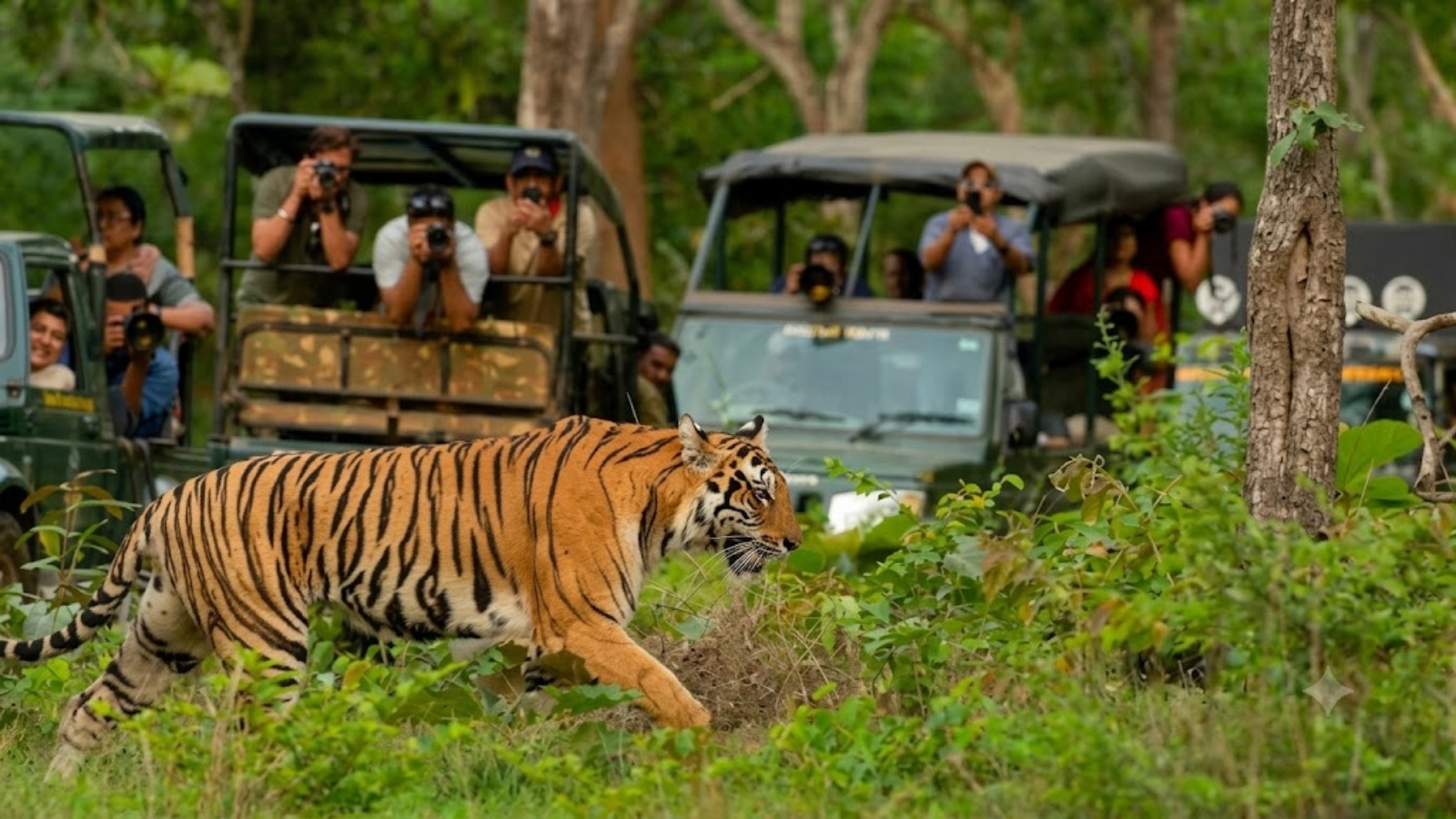
Indian wildlife conservation highlights iconic animals like tigers and elephants, whose unique traits foster public connection and support. Forest communities in tiger reserves emphasize coexistence, blending indigenous knowledge with state efforts to protect habitats amid economic growth. Indian safaris primarily focus on tiger sightings within government-managed parks, contrasting with Africa's mix of private and public conservation areas offering broader wildlife experiences. These approaches reflect diverse strategies to engage people with wildlife and promote species preservation.

Sentiment
69%
TBN's observations

First-hand measurement across 3 sources

We measured how 3 outlets covered this story. No outlet gave this story a measurable political slant — there is no left–right reading to report. Overall sentiment is positive (69/100). Lens Score 31/100.

Outlets measured: deccanherald, theprint, thehindu. See how each one headlined and framed the same story in the source comparison below.

AI analysis of 3 sources · Published under editorial oversight by The Balanced News
Analysed 9 Oct 2026· How this analysis is produced· Editorial standards· Corrections

AI Analysis

Sentiment — Positive (69/100)

Sentiment was consistent across outlets (75–75/100), indicating broadly factual reporting rather than editorialising.

Coverage timeline

thehindu broke this story on 7 Oct, 06:50 pm. Other outlets followed.

7 Oct, 06:50 pm3 sources · 25 h8 Oct, 08:03 pm
AI analysis by the TBN Bias Engine · beat methodology byAniket Awate· Culture & Digital Media Writer· editorial standards byOjas Kale
← Previous
Prime Minister Modi Urges Ethnic Groups in Manipur to Embrace Peace for Future Security
Next →
Tej Pratap Yadav Details Marital Challenges and Divorce from Aishwarya Rai
  1. 1
    thehindu7 Oct, 06:50 pm
    From the brink to a comeback, hope for India's wildlife
  2. 2
    theprint8 Oct, 12:58 pm
    Tigers have Munna, elephants have Ramu. Other endangered species need their icons
  3. 3
    deccanherald8 Oct, 08:03 pm
    Many ways to live with tigers

Who's involved

Institutions and figures named across source coverage.

Government
Government of IndiaTamil Nadu Forest DepartmentState governmentsHaryana Forest Department

Story context

Category
Social
Location
Pilibhit, India
Sources analysed
4
Last analysed
9 Oct 2026
Key entities
TigerConservation biologyIndiaElephantSpeciesAchanakmar Wildlife SanctuaryBandhavgarh National ParkEndangered speciesFlagshipRanthambore FortTaxonWildlife management