Philosophical and Proverbial Insights on Happiness and Contentment
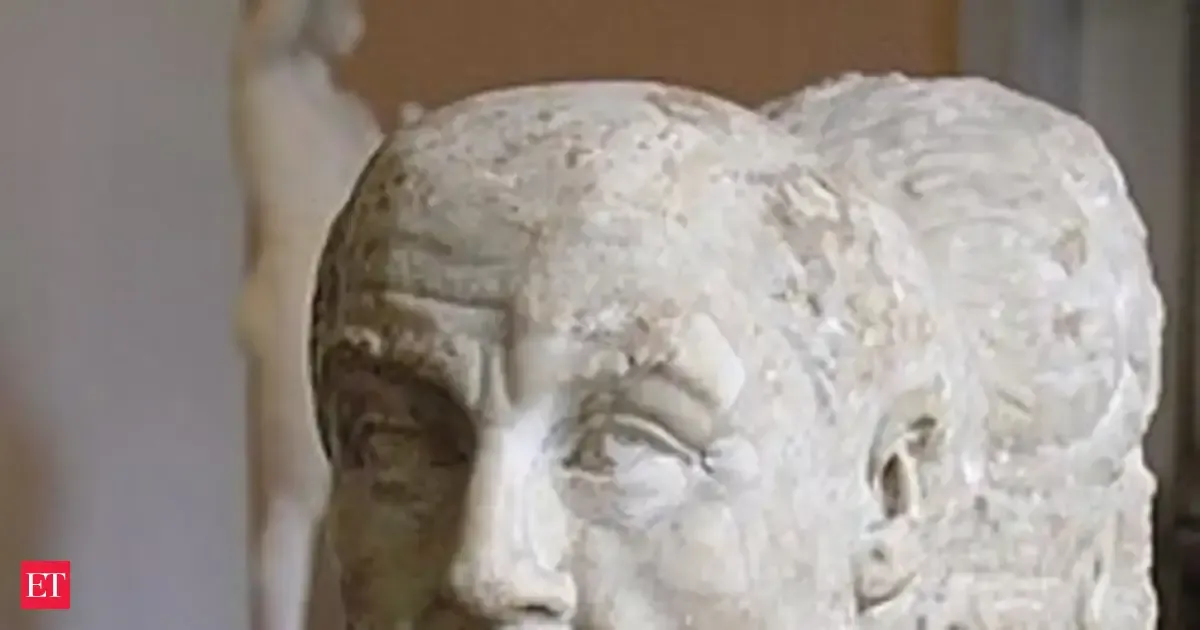
Two reflections emphasize that true happiness arises from appreciating what one already has rather than pursuing all desires. Seneca's Stoic philosophy advises managing expectations and finding joy in the present, fostering resilience and inner peace. Similarly, an Italian proverb highlights gratitude and contentment as keys to fulfillment, encouraging a shift in perspective from external achievements to valuing everyday blessings.
First-hand measurement across 2 sources
We measured how 2 outlets covered this story. Coverage leans balanced overall (Left 0%, Centre 100%, Right 0%). Overall sentiment is positive (78/100). Lens Score 20/100 — low public interest.
Outlets analysed (first-hand measurement by TBN's Bias Engine):
- economictimes— balanced framing, positive sentiment
- economictimes— balanced framing, positive sentiment
AI Analysis
The articles present philosophical and cultural perspectives on happiness without engaging in political discourse. They focus on timeless wisdom from Stoicism and Italian proverbs, representing universal human values rather than political viewpoints. The coverage is neutral, emphasizing personal mindset and gratitude without reference to political ideologies or debates.
The tone across the articles is positive and reflective, promoting themes of gratitude, contentment, and inner peace. The sentiment encourages readers to adopt a constructive and peaceful outlook on life, focusing on fulfillment rather than dissatisfaction. There is no negative or critical sentiment present, resulting in an overall uplifting and thoughtful mood.
How 2 sources covered this story
Each source's own headline, political lean, and sentiment — so you can see framing differences at a glance.