Skip to content
Get the Balanced News app for a better experience!
The Balanced News Logo
Analytics
The Balanced News Logo

Stay Balanced, Stay Informed

Menu
  • Browse News
  • Underreported Stories
  • Curated Feeds
  • Insights
  • Analytics
  • Our Writers
  • About Us
  • Download App
Learn
  • How It Works
  • Bias Detection
  • Lens Score
  • Source Bias Checker
  • Accountability
  • Custom Feeds
Newsroom
  • Writers & Analysts
  • About TBN
  • Editorial Standards
  • Corrections Policy
  • Our Partners
  • Insights
Socials
  • Youtube
  • Instagram
  • X
  • Facebook
News Categories
  • Trending
  • Politics
  • Sports
  • Business
  • Tech
  • Entertainment
  • Health
  • Science
  • Crime
  • Lifestyle
  • National
  • International
  • Good News
  • Crypto

Get Our App

Available for iOS and Android


LensFeedsInsightsAnalyticsTrendingGood NewsSportsPoliticsBusinessCrimeTechEntertainmentHealthNationalInternational

© 2026 The Balanced News. All rights reserved.

About UsEditorial StandardsCorrectionsHelp & SupportPrivacy PolicyTerms & Conditions
Decline of Indigenous Fruits in India Spurs Efforts to Preserve Wild Food Traditions
Categories

Categories

Related Coverage

Select a news story to see related coverage from other media outlets.

Related Coverage

Select a news story to see related coverage from other media outlets.

  1. Home
  2. /
  3. Social

Decline of Indigenous Fruits in India Spurs Efforts to Preserve Wild Food Traditions

Analysed 28 Aug 2026·2 sources analysed·Mumbai, India·Social
Decline of Indigenous Fruits in India Spurs Efforts to Preserve Wild Food TraditionsPreviousNext

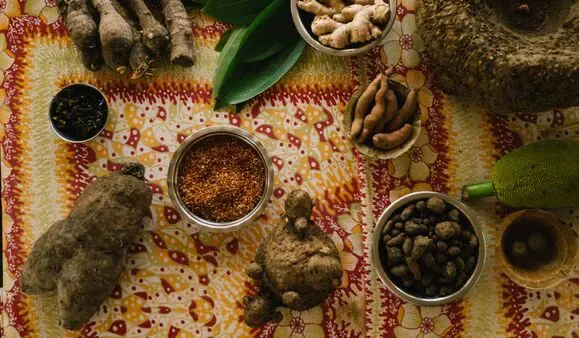
Indigenous and wild foods in India are declining due to urbanization, changing land use, and low awareness, affecting regions like Assam and Meghalaya. Traditional fruits such as Leteku and Poniol are becoming scarce, while efforts like foraging walks, subscription boxes, and festivals aim to preserve and promote wild food traditions rooted in indigenous cultures. These initiatives engage local communities to maintain biodiversity and cultural heritage amid shifting dietary patterns.

Sentiment
62%
TBN's observations

First-hand measurement across 2 sources

We measured how 2 outlets covered this story. No outlet gave this story a measurable political slant — there is no left–right reading to report. Overall sentiment is positive (62/100). Lens Score 40/100.

Outlets measured: mint, scrollin. See how each one headlined and framed the same story in the source comparison below.

AI analysis of 2 sources · Published under editorial oversight by The Balanced News
Analysed 28 Aug 2026· How this analysis is produced· Editorial standards· Corrections

AI Analysis

Sentiment — Positive (62/100)

Sentiment was consistent across outlets (48–75/100), indicating broadly factual reporting rather than editorialising.

Coverage timeline

scrollin broke this story on 27 Aug, 02:08 pm. Other outlets followed.

27 Aug, 02:08 pm2 sources · 20 h28 Aug, 10:31 am
  1. 1
AI analysis by the TBN Bias Engine · beat methodology byAniket Awate· Culture & Digital Media Writer· editorial standards byOjas Kale
← Previous
CBI Probe Recommended in Tiger Poaching Case; MP Forest Department Alleges NGO Role in Leopard Poaching
Next →
Chennai Man Reflects on Challenges of Showing Kindness to Workers and Service Staff
scrollin27 Aug, 02:08 pm
India's indigenous fruits are disappearing from diets and the landscape
  • 2
    mint28 Aug, 10:31 am
    Curious about India's wild foods? Here's how you can try them out Mint
  • Who's involved

    Institutions and figures named across source coverage.

    Government
    Assam Agriculture University

    Story context

    Category
    Social
    Location
    Mumbai, India
    Sources analysed
    2
    Last analysed
    28 Aug 2026
    Key entities
    Northeast IndiaIndigenous peoplesMeghalayaIndiaFruitAgricultureAssamBuchanania cochinchinensisMadhuca longifoliaCarissa carandasAgroecologyKiwifruit