NFHS-6 Omits Anaemia and Menopause Data, Raising Public Health Tracking Concerns
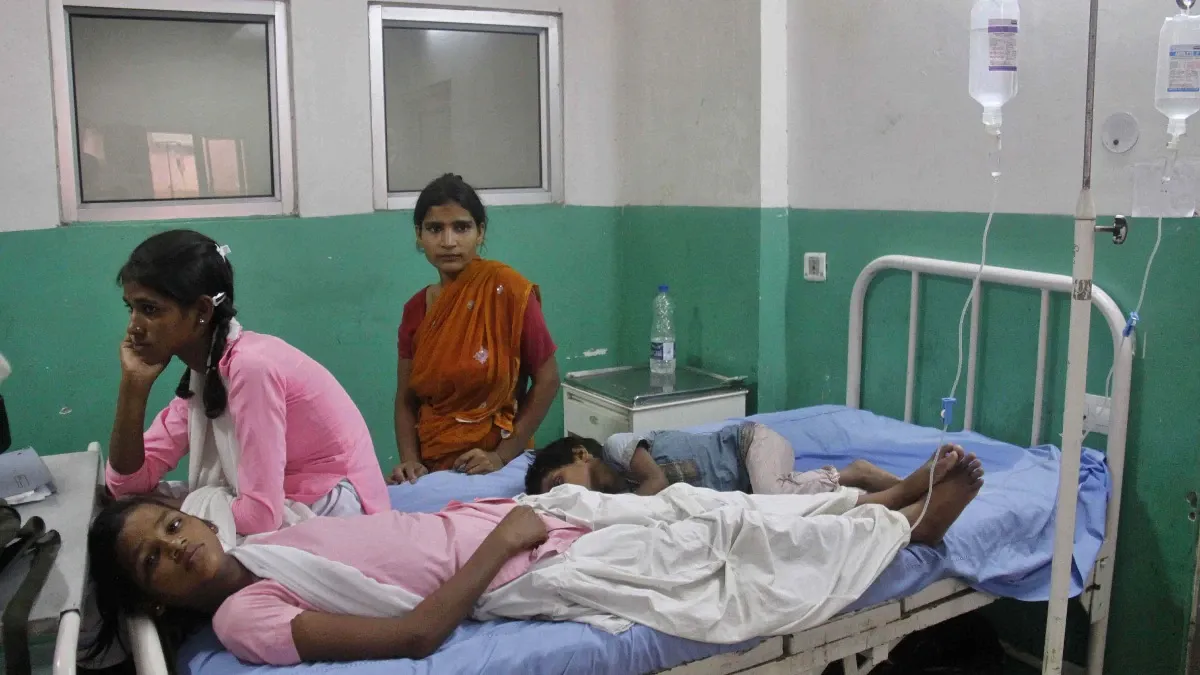
The sixth National Family Health Survey (NFHS-6) has omitted key health indicators such as anaemia prevalence and menopause data for women aged 40-59. Anaemia measurement was removed due to concerns over previous capillary blood testing methods, with future data expected from a different survey using venous blood tests. Critics worry this gap hinders tracking public health progress. Additionally, menopause-related health issues affecting millions of Indian women remain unreported, raising concerns about overlooked health challenges.
First-hand measurement across 3 sources
We measured how 3 outlets covered this story. Coverage leans balanced overall (Left 47%, Centre 50%, Right 3%). Overall sentiment is neutral (38/100). Lens Score 29/100 — low public interest.
Outlets analysed (first-hand measurement by TBN's Bias Engine):
- indiatoday— balanced framing, neutral sentiment
- hindustantimes— balanced framing, neutral sentiment
- theprint— left-leaning framing, neutral sentiment
AI Analysis
The articles present a range of perspectives including government explanations for methodological changes and critics' concerns about transparency and data gaps. While official sources emphasize improved accuracy and alternative data collection methods, critics suggest potential political motives behind the omissions. The coverage reflects a balanced representation of both administrative rationale and public health expert skepticism without favoring any political stance.
The overall tone is cautiously critical, highlighting concerns about missing data and its implications for monitoring health programs. While acknowledging methodological improvements, the articles express apprehension about transparency and the potential impact on public health assessment. The sentiment is mixed, combining factual reporting with critical viewpoints but avoiding sensationalism.