Study Finds Nearly 1°C Warming in Jammu and Kashmir Himalayas Over 20 Years
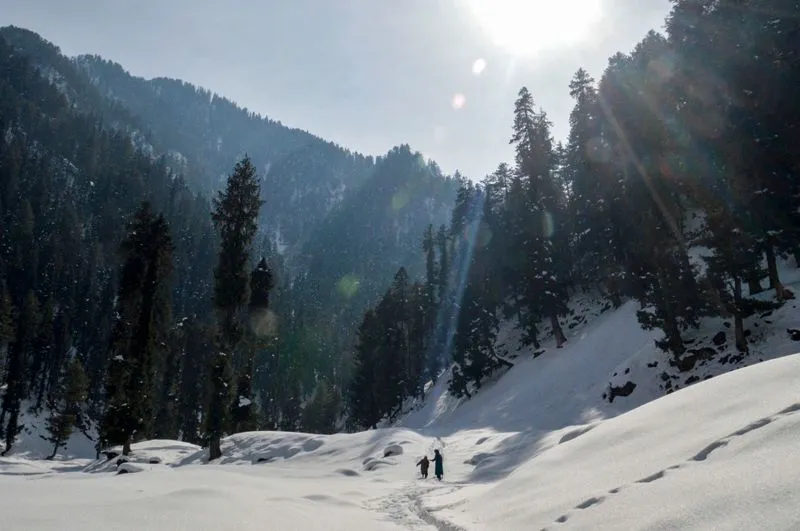
A study by IIT Kharagpur and the India Meteorological Department reveals that high-altitude areas in Jammu and Kashmir, including Pahalgam, Gulmarg, and Bhaderwah, have warmed by nearly 1°C over the past 20 years. The warming is more pronounced at mid-to-high elevations, especially in minimum nighttime temperatures, while lower elevations like Jammu show little change or slight cooling. This uneven warming poses risks to Himalayan glaciers, water availability, and regional climate resilience.
First-hand measurement across 2 sources
We measured how 2 outlets covered this story. Coverage leans balanced overall (Left 0%, Centre 100%, Right 0%). Overall sentiment is neutral (38/100). Lens Score 30/100 — low public interest.
Outlets analysed (first-hand measurement by TBN's Bias Engine):
- ndtv— balanced framing, neutral sentiment
- thetribune— balanced framing, neutral sentiment
AI Analysis
The articles present scientific findings from reputable Indian institutions without political framing. Coverage focuses on environmental and climatic data, highlighting regional impacts without attributing responsibility or policy implications. Both sources emphasize the research results and potential ecological consequences, maintaining a neutral stance on political issues related to climate change.
The tone across the articles is primarily informative with a cautious undertone due to the environmental risks highlighted. While the warming trend is presented as a concerning development for glaciers and regional climate, the language remains factual and avoids alarmism, reflecting a balanced and measured sentiment.
How 2 sources covered this story
Each source's own headline, political lean, and sentiment — so you can see framing differences at a glance.