Skip to content
Get the Balanced News app for a better experience!
The Balanced News Logo
Analytics
The Balanced News Logo

Stay Balanced, Stay Informed

Menu
  • Browse News
  • Underreported Stories
  • Curated Feeds
  • Insights
  • Analytics
  • Our Writers
  • About Us
  • Download App
Learn
  • How It Works
  • Bias Detection
  • Lens Score
  • Source Bias Checker
  • Accountability
  • Custom Feeds
Newsroom
  • Writers & Analysts
  • About TBN
  • Editorial Standards
  • Corrections Policy
  • Our Partners
  • Insights
Socials
  • Youtube
  • Instagram
  • X
  • Facebook
News Categories
  • Trending
  • Politics
  • Sports
  • Business
  • Tech
  • Entertainment
  • Health
  • Science
  • Crime
  • Lifestyle
  • National
  • International
  • Good News
  • Crypto

Get Our App

Available for iOS and Android


LensFeedsInsightsAnalyticsTrendingGood NewsSportsPoliticsBusinessCrimeTechEntertainmentHealthNationalInternational

© 2026 The Balanced News. All rights reserved.

About UsEditorial StandardsCorrectionsHelp & SupportPrivacy PolicyTerms & Conditions
Satellite Collars Track India's Wildlife but Do Not Provide Continuous Real-Time Data
Categories

Categories

Related Coverage

Select a news story to see related coverage from other media outlets.

Related Coverage

Select a news story to see related coverage from other media outlets.

  1. Home
  2. /
  3. Social

Satellite Collars Track India's Wildlife but Do Not Provide Continuous Real-Time Data

Analysed 3 Nov 2026·2 sources analysed·Assam, India·Social
Satellite Collars Track India's Wildlife but Do Not Provide Continuous Real-Time DataPreviousNext

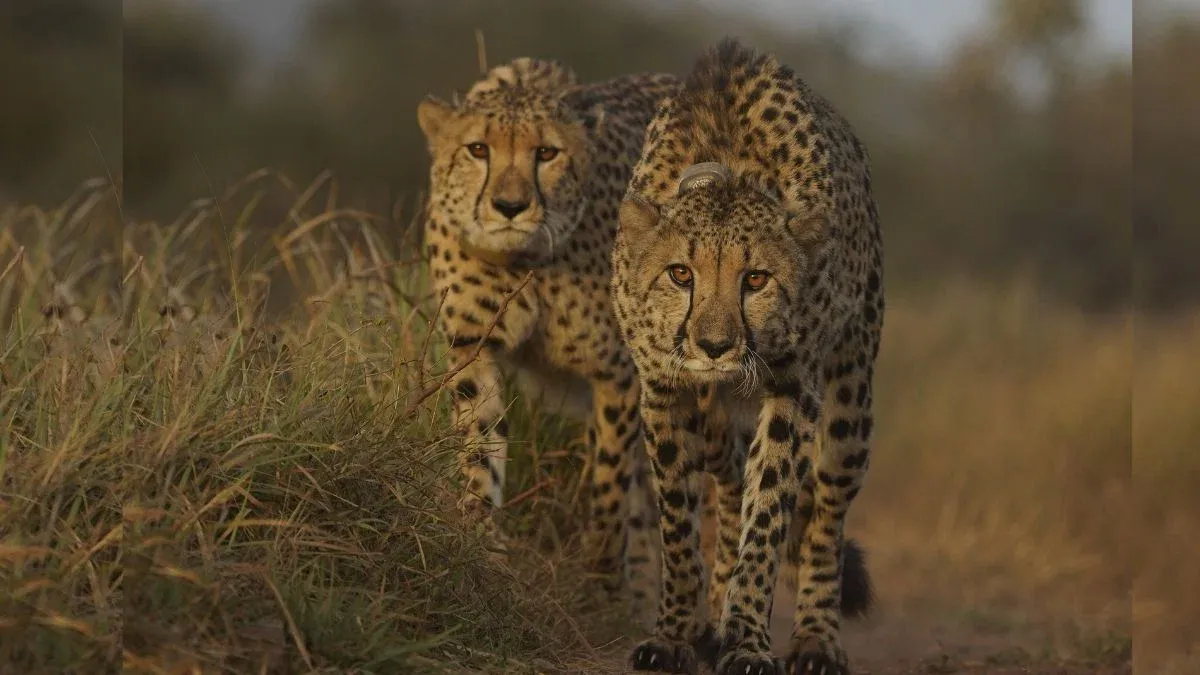
India uses satellite collars to monitor cheetahs and other wildlife, transmitting location data at intervals—typically every six hours—to balance tracking needs with battery life. These collars do not provide continuous real-time tracking, so temporary signal losses can occur, leaving animals untracked for up to 18 hours or more. Officials emphasize that such gaps are normal and inherent to current technology, which helps map animal movements and alert authorities to potential risks beyond protected areas but cannot guarantee immediate location updates.

Sentiment
54%
TBN's observations

First-hand measurement across 2 sources

We measured how 2 outlets covered this story. No outlet gave this story a measurable political slant — there is no left–right reading to report. Overall sentiment is neutral (54/100). Lens Score 46/100.

Outlets measured: theprint, hindustantimes. See how each one headlined and framed the same story in the source comparison below.

AI analysis of 2 sources · Published under editorial oversight by The Balanced News
Analysed 3 Nov 2026· How this analysis is produced· Editorial standards· Corrections

AI Analysis

Sentiment — Neutral (54/100)

Sentiment was consistent across outlets (52–55/100), indicating broadly factual reporting rather than editorialising.

Coverage timeline

hindustantimes broke this story on 3 Nov, 05:16 am. Other outlets followed.

3 Nov, 05:16 am2 sources · 3 h3 Nov, 08:31 am
  1. 1
AI analysis by the TBN Bias Engine · beat methodology byAniket Awate· Culture & Digital Media Writer· editorial standards byOjas Kale
← Previous
Studies Examine Health Risks of Extreme Heat and Cold Amid Climate Change
Next →
Chaayos Apologizes After Relocating Stray Cat from Bandra Cafe Sparks Outrage
hindustantimes3 Nov, 05:16 am
Explained: Why a satellite collared animal can still go missing for hours
  • 2
    theprint3 Nov, 08:31 am
    India's cheetahs are roaming beyond protected forests. Can GPS collars keep them safe?
  • Who's involved

    Institutions and figures named across source coverage.

    Government
    Central GovernmentValmiki Tiger ReserveState GovernmentKuno National ParkKuno National Park ManagementSheopur Forest DivisionBuxa Tiger Reserve

    Story context

    Category
    Social
    Location
    Assam, India
    Sources analysed
    2
    Last analysed
    3 Nov 2026
    Key entities
    CheetahGlobal Positioning SystemSatelliteKuno National ParkVegetationElectric power transmissionVery high frequencyProtected areaIndiaForestSpecies reintroductionHabitat