Skip to content
Get the Balanced News app for a better experience!
The Balanced News Logo
Analytics
The Balanced News Logo

Stay Balanced, Stay Informed

Menu
  • Browse News
  • Underreported Stories
  • Curated Feeds
  • Insights
  • Analytics
  • Our Writers
  • About Us
  • Download App
Learn
  • How It Works
  • Bias Detection
  • Lens Score
  • Source Bias Checker
  • Accountability
  • Custom Feeds
Newsroom
  • Writers & Analysts
  • About TBN
  • Editorial Standards
  • Corrections Policy
  • Our Partners
  • Insights
Socials
  • Youtube
  • Instagram
  • X
  • Facebook
News Categories
  • Trending
  • Politics
  • Sports
  • Business
  • Tech
  • Entertainment
  • Health
  • Science
  • Crime
  • Lifestyle
  • National
  • International
  • Good News
  • Crypto

Get Our App

Available for iOS and Android


LensFeedsInsightsAnalyticsTrendingGood NewsSportsPoliticsBusinessCrimeTechEntertainmentHealthNationalInternational

© 2026 The Balanced News. All rights reserved.

About UsEditorial StandardsCorrectionsHelp & SupportPrivacy PolicyTerms & Conditions
Study Links Climate Change to Rise in Antibiotic Resistance Genes in Salmonella
Categories

Categories

Related Coverage

Select a news story to see related coverage from other media outlets.

Related Coverage

Select a news story to see related coverage from other media outlets.

  1. Home
  2. /
  3. social

Study Links Climate Change to Rise in Antibiotic Resistance Genes in Salmonella

Analysed 27 May 2026·2 sources analysed·social
Study Links Climate Change to Rise in Antibiotic Resistance Genes in SalmonellaPreviousNext

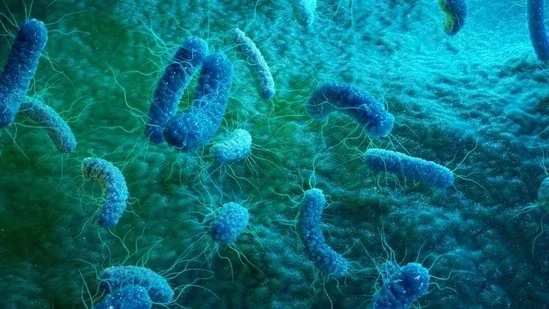
A study published in The Lancet Planetary Health links climate change to a 10% global increase in antibiotic resistance genes (ARGs) in Salmonella between 1940 and 2023. Analysis of over 480,000 Salmonella genomes from 139 countries found 82% of countries experienced rises in ARGs, especially in the Middle East, North Africa, South Asia, and Sub-Saharan Africa. The study notes that while antibiotic misuse drives resistance, rising temperatures and changing rainfall patterns may accelerate bacterial adaptation. However, it does not establish direct causation.

Political Bias
0%100%0%
Sentiment
50%
AI analysis of 2 sources · Published under editorial oversight by The Balanced News
Analysed 27 May 2026· How this analysis is produced· Editorial standards· Corrections

AI Analysis

Political bias across 2 sources
● Left 0%● Center 100%● Right 0%

The articles present a scientific study without evident political framing, focusing on environmental and public health implications. They include perspectives from researchers and emphasize the complexity of factors influencing antibiotic resistance, avoiding partisan interpretations or policy debates. The coverage is centered on empirical findings rather than political viewpoints.

Sentiment — Neutral (50/100)

The tone across the articles is neutral and informative, highlighting scientific findings and potential health risks without sensationalism. While the implications of increased antibiotic resistance are concerning, the coverage maintains a balanced approach by noting limitations and avoiding alarmist language.

How 2 sources covered this story

Each source's own headline, political lean, and sentiment — so you can see framing differences at a glance.

← Previous
Experts Highlight Importance of Early Diagnosis in Adult and Pediatric Neurological Disorders in India
Next →
Girls Excel in Exams but Women Remain Underrepresented in Corporate Leadership
SourceTheir headlineBiasSentiment
thehinduClimate change linked with rise in antibiotic resistance genes in salmonella: analysisCenterNeutral
hindustantimesSalmonella poisoning linked to climate change: LancetCenterNeutral

Coverage timeline

hindustantimes broke this story on 27 May, 02:26 am. Other outlets followed.

  1. 1
    hindustantimes27 May, 02:26 am
    Salmonella poisoning linked to climate change: Lancet
  2. 2
    thehindu27 May, 09:32 am
    Climate change linked with rise in antibiotic resistance genes in salmonella: analysis

Lens Score breakdown

25/100
Public interest0/100
Coverage gap100%

Well-covered story — coverage matches public importance.

Story context

Category
Social
Sources analysed
2
Last analysed
27 May 2026
Key entities
Antimicrobial resistanceSalmonellaGeneBacteriaClimate changeAntibioticGreenhouse gas emissionsAntimicrobialSub-Saharan AfricaNorth AfricaSouth AsiaMiddle East