Pimpri-Chinchwad Housing Federation Opposes PCMC's Wet Waste Collection Proposal
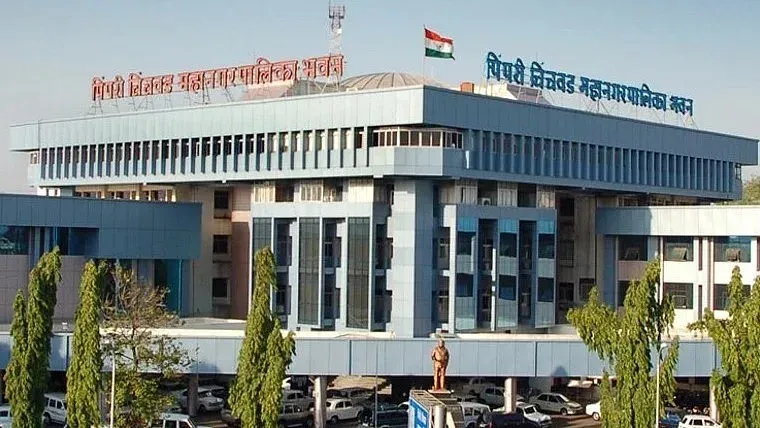
The Pimpri-Chinchwad Housing Society Federation has opposed the Pimpri-Chinchwad Municipal Corporation's proposal to stop collecting wet waste from large housing societies starting July 1, 2026. The Federation argues this move is unilateral, impractical, and unfair, citing the Solid Waste Management Rules 2016 that require housing projects with over 100 flats to install waste processing systems. They claim many societies lack space and resources for such systems and have urged the PCMC to hold detailed discussions before implementing the policy. The Federation has warned of agitation, including dumping waste in the Municipal Commissioner's office, if the proposal proceeds without consultation.
First-hand measurement across 2 sources
We measured how 2 outlets covered this story. Coverage leans balanced overall (Left 10%, Centre 85%, Right 5%). Overall sentiment is neutral (35/100). Lens Score 32/100 — low public interest.
Outlets analysed (first-hand measurement by TBN's Bias Engine):
- freepressjournal— balanced framing, neutral sentiment
- indianexpress— balanced framing, neutral sentiment
AI Analysis
The articles primarily present the perspective of the Pimpri-Chinchwad Housing Society Federation, highlighting their opposition to the municipal corporation's proposal. The PCMC's viewpoint is mentioned mainly through the Federation's references to the proposal and regulatory context, with no direct statements from municipal officials. This framing emphasizes residents' concerns and administrative challenges without partisan commentary.
The overall tone of the articles is critical of the proposed policy, reflecting the Federation's dissatisfaction and warnings of protest. The coverage focuses on the practical difficulties and perceived unfairness of the decision, conveying a negative sentiment toward the municipal corporation's approach while maintaining a factual and measured narrative.
How 2 sources covered this story
Each source's own headline, political lean, and sentiment — so you can see framing differences at a glance.