Visakhapatnam Steel Plant Explosion Highlights Safety and Reporting Challenges
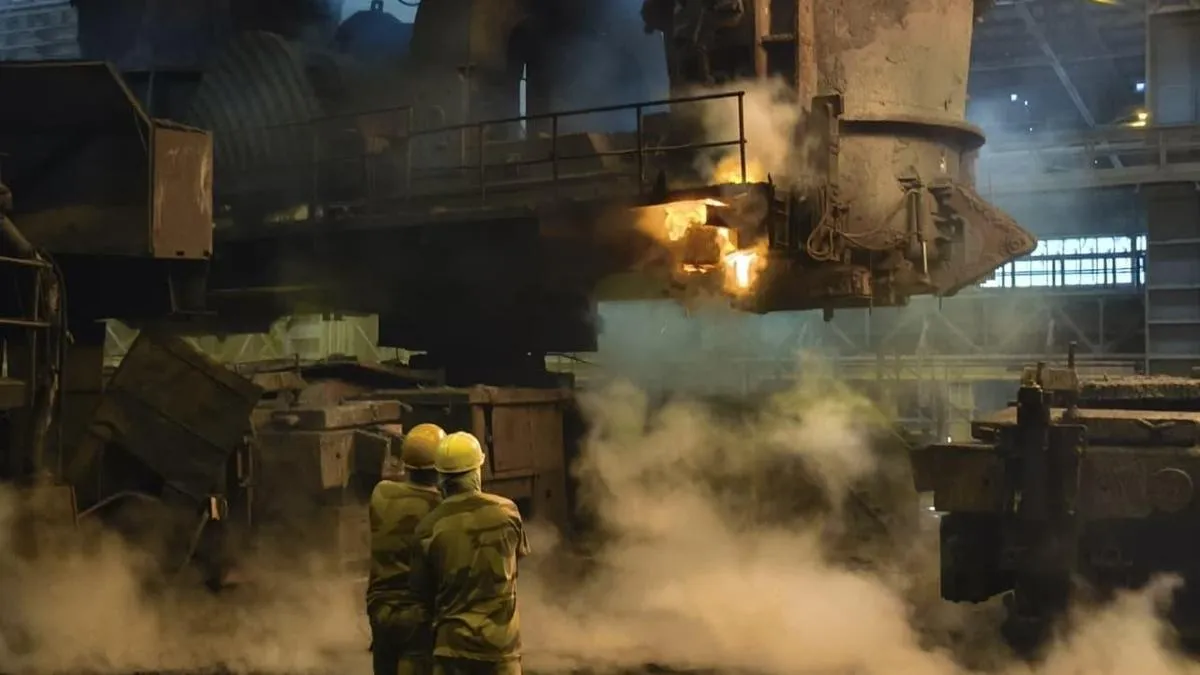
An explosion at the Rashtriya Ispat Nigam Limited-Visakhapatnam Steel Plant on June 8 resulted in nine deaths, including severely injured worker K. Paidiraju. The tragedy highlighted the human toll and raised concerns over systemic gaps in industrial accident reporting and safety enforcement in India. Despite official responses like ex-gratia payments and probe committees, persistent issues such as inconsistent data, understaffed regulatory bodies, and delayed safety code implementation remain challenges for preventing future incidents.
First-hand measurement across 2 sources
We measured how 2 outlets covered this story. Coverage leans centre-left overall (Left 50%, Centre 42%, Right 8%). Overall sentiment is negative (30/100). Lens Score 58/100 — moderate public interest.
Outlets analysed (first-hand measurement by TBN's Bias Engine):
- thehindu— left-leaning framing, negative sentiment
- thehindu— balanced framing, negative sentiment
AI Analysis
The articles primarily present a factual account of the Visakhapatnam steel plant explosion and its aftermath, focusing on human impact and systemic issues in industrial safety enforcement. They include government responses and institutional shortcomings without partisan framing. The coverage reflects a critical but neutral stance on regulatory effectiveness, representing both official actions and broader concerns about safety governance.
The overall tone is somber and serious, emphasizing the human tragedy and systemic deficiencies revealed by the incident. While the articles convey grief and concern, they maintain a measured and factual approach, avoiding sensationalism. The sentiment is predominantly negative due to the loss of life and institutional lapses but balanced by the reporting of official responses and ongoing investigations.