Experts Emphasize AI as a Complement to Doctors on National Doctors' Day 2026
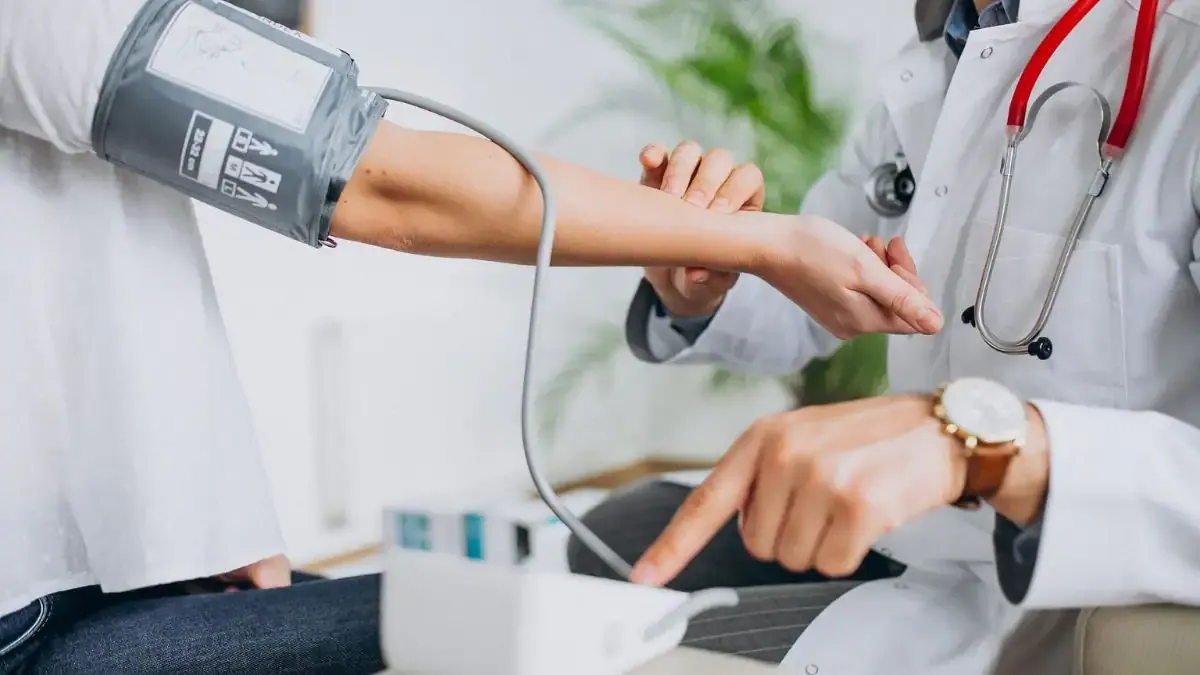
On National Doctors' Day 2026, experts highlight the growing role of artificial intelligence (AI) in healthcare, noting its benefits in providing accessible medical information, aiding diagnostics, and supporting clinical decisions. However, they caution against relying solely on AI for self-diagnosis, emphasizing that AI should complement, not replace, doctors' clinical judgment, physical examinations, and personalized care. Common health queries to AI reflect public health concerns, but medical professionals stress the importance of human expertise, empathy, and ethical considerations in treatment.
First-hand measurement across 5 sources
We measured how 5 outlets covered this story. Coverage leans balanced overall (Left 0%, Centre 100%, Right 0%). Overall sentiment is positive (67/100). Lens Score 31/100 — low public interest.
Outlets analysed (first-hand measurement by TBN's Bias Engine):
- zeenews— balanced framing, neutral sentiment
- zeenews— balanced framing, positive sentiment
- zeenews— balanced framing, neutral sentiment
- ndtv— balanced framing, positive sentiment
- firstpost— balanced framing, positive sentiment
AI Analysis
The article group presents a consensus among medical professionals and experts advocating for a balanced integration of AI in healthcare. The perspectives focus on technological advancements alongside the irreplaceable role of human clinicians, without partisan framing. Sources emphasize collaboration between AI tools and doctors, reflecting a neutral stance on healthcare innovation and policy implications.
The overall tone across the articles is cautiously optimistic, recognizing AI's potential to enhance healthcare while warning of its limitations. Coverage balances enthusiasm for technological progress with prudent advice on risks of self-diagnosis, resulting in a mixed but constructive sentiment that underscores the value of human oversight in medical care.
How 5 sources covered this story
Each source's own headline, political lean, and sentiment — so you can see framing differences at a glance.