Skip to content
Get the Balanced News app for a better experience!
The Balanced News Logo
Analytics
The Balanced News Logo

Stay Balanced, Stay Informed

Menu
  • Browse News
  • Underreported Stories
  • Curated Feeds
  • Insights
  • Analytics
  • Our Writers
  • About Us
  • Download App
Learn
  • How It Works
  • Bias Detection
  • Lens Score
  • Source Bias Checker
  • Accountability
  • Custom Feeds
Newsroom
  • Writers & Analysts
  • About TBN
  • Editorial Standards
  • Corrections Policy
  • Our Partners
  • Insights
Socials
  • Youtube
  • Instagram
  • X
  • Facebook
News Categories
  • Trending
  • Politics
  • Sports
  • Business
  • Tech
  • Entertainment
  • Health
  • Science
  • Crime
  • Lifestyle
  • National
  • International
  • Good News
  • Crypto

Get Our App

Available for iOS and Android


LensFeedsInsightsAnalyticsTrendingGood NewsSportsPoliticsBusinessCrimeTechEntertainmentHealthNationalInternational

© 2026 The Balanced News. All rights reserved.

About UsEditorial StandardsCorrectionsHelp & SupportPrivacy PolicyTerms & Conditions
Studies Find Plastic Containers and Cutting Boards Release Microplastics into Food
Categories

Categories

Related Coverage

Select a news story to see related coverage from other media outlets.

Related Coverage

Select a news story to see related coverage from other media outlets.

  1. Home
  2. /
  3. Social

Studies Find Plastic Containers and Cutting Boards Release Microplastics into Food

Analysed 14 Jul 2026·2 sources analysed·United States·Social
Studies Find Plastic Containers and Cutting Boards Release Microplastics into FoodPreviousNext

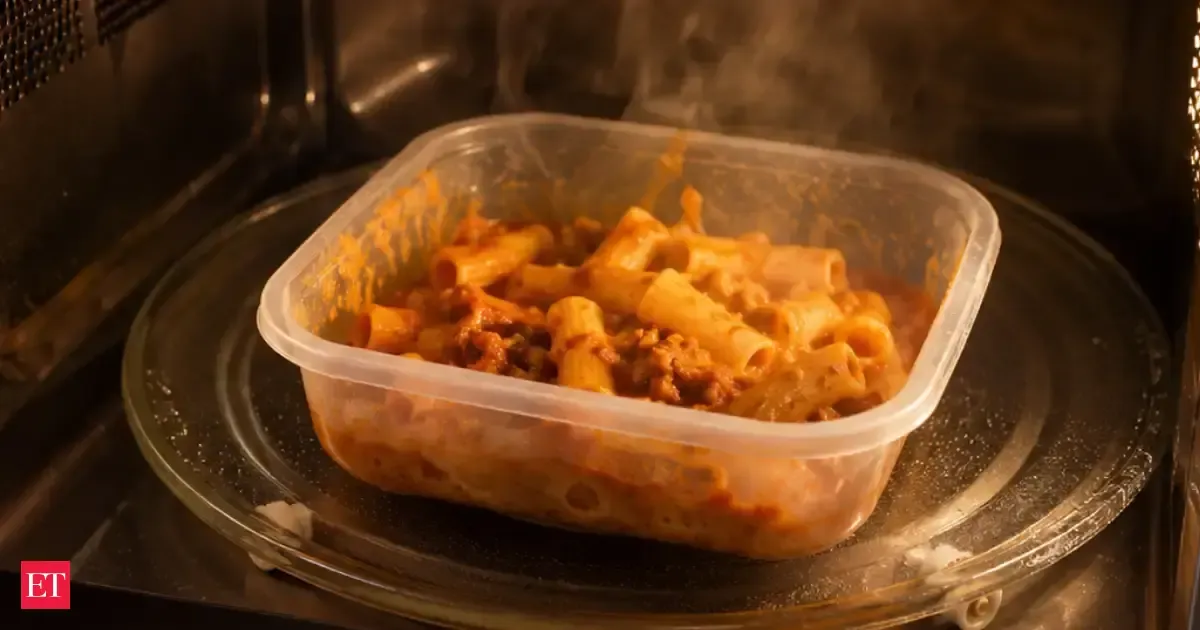
Two 2023 studies published in Environmental Science Technology reveal that common kitchen practices release significant amounts of micro- and nanoplastic particles into food. Microwaving plastic containers, especially polypropylene ones, can emit billions of nanoplastics in minutes, with babies and toddlers at higher risk. Similarly, chopping on plastic cutting boards, particularly worn polypropylene types, sheds tens of millions of microplastic particles annually. Researchers suggest using alternatives like glass, ceramic, or replacing worn boards to reduce exposure.

TBN's observations

First-hand measurement across 2 sources

We measured how 2 outlets covered this story. Coverage leans balanced overall (Left 0%, Centre 100%, Right 0%). Overall sentiment is neutral (45/100). Lens Score 29/100 — low public interest.

Outlets analysed (first-hand measurement by TBN's Bias Engine):

  • economictimes— balanced framing, neutral sentiment
  • economictimes— balanced framing, neutral sentiment
Political Bias
0%100%0%
Sentiment
45%
AI analysis of 2 sources · Published under editorial oversight by The Balanced News
Analysed 14 Jul 2026· How this analysis is produced· Editorial standards· Corrections

AI Analysis

Political bias across 2 sources
● Left 0%● Center 100%● Right 0%

The articles present scientific findings without political framing, focusing on health and consumer safety concerns. They represent perspectives from academic researchers and public health interests, emphasizing practical implications for everyday kitchen habits. There is no evident political bias, as the coverage centers on research data and recommendations rather than policy debates or partisan viewpoints.

Sentiment — Neutral (45/100)

The overall tone is cautionary but neutral, highlighting potential health risks from microplastic exposure through common kitchen practices. While the findings may raise concern, the articles maintain an informative and factual approach, offering practical advice without sensationalism or alarmism. The sentiment balances awareness with constructive guidance for reducing exposure.

How 2 sources covered this story

Each source's own headline, political lean, and sentiment — so you can see framing differences at a glance.

Reviewed byAniket Awate· Culture & Digital Media Writer· Edited byOjas Kale
← Previous
Doctors Remove 180-Gram Heart Tumour from 75-Year-Old Man in Indore
Next →
Study Links Sarcopenic Obesity to Increased Risk of Type 2 Diabetes
SourceTheir headlineBiasSentiment
economictimesMillions of Americans reheat leftovers in plastic containers, but researchers found that three minutes in the microwave released billions of nanoplastic particles per square centimeterCenterNeutral
economictimesMost kitchens have a plastic cutting board, but a 2023 study found that chopping on one can shed tens of millions of microplastic particles a year straight into your foodCenterNeutral

Coverage timeline

economictimes broke this story on 13 Jul, 02:05 pm. Other outlets followed.

  1. 1
    economictimes13 Jul, 02:05 pm
    Most kitchens have a plastic cutting board, but a 2023 study found that chopping on one can shed tens of millions of microplastic particles a year straight into your food
  2. 2
    economictimes14 Jul, 11:46 am
    Millions of Americans reheat leftovers in plastic containers, but researchers found that three minutes in the microwave released billions of nanoplastic particles per square centimeter

Lens Score breakdown

29/100
Public interest0/100
Coverage gap100%

Well-covered story — coverage matches public importance.

Story context

Category
Social
Location
United States
Sources analysed
2
Last analysed
14 Jul 2026
Key entities
MicroplasticsPolypropylenePlasticPlastic containerRefrigerationMicrowave ovenEnvironmental Science & TechnologyContainerizationReuseAcetic acidAqueous solutionAcid