Skip to content
Get the Balanced News app for a better experience!
The Balanced News Logo
Analytics
The Balanced News Logo

Stay Balanced, Stay Informed

Menu
  • Browse News
  • Underreported Stories
  • Curated Feeds
  • Insights
  • Analytics
  • Our Writers
  • About Us
  • Download App
Learn
  • How It Works
  • Bias Detection
  • Lens Score
  • Source Bias Checker
  • Accountability
  • Custom Feeds
Newsroom
  • Writers & Analysts
  • About TBN
  • Editorial Standards
  • Corrections Policy
  • Our Partners
  • Insights
Socials
  • Youtube
  • Instagram
  • X
  • Facebook
News Categories
  • Trending
  • Politics
  • Sports
  • Business
  • Tech
  • Entertainment
  • Health
  • Science
  • Crime
  • Lifestyle
  • National
  • International
  • Good News
  • Crypto

Get Our App

Available for iOS and Android


LensFeedsInsightsAnalyticsTrendingGood NewsSportsPoliticsBusinessCrimeTechEntertainmentHealthNationalInternational

© 2026 The Balanced News. All rights reserved.

About UsEditorial StandardsCorrectionsHelp & SupportPrivacy PolicyTerms & Conditions
Psychology Explores Why People Prefer Backseat and Corner Seating for Comfort and Control
Categories

Categories

Related Coverage

Select a news story to see related coverage from other media outlets.

Related Coverage

Select a news story to see related coverage from other media outlets.

  1. Home
  2. /
  3. Social

Psychology Explores Why People Prefer Backseat and Corner Seating for Comfort and Control

Analysed 15 Jul 2026·2 sources analysed·United Kingdom·Social
Psychology Explores Why People Prefer Backseat and Corner Seating for Comfort and ControlPreviousNext

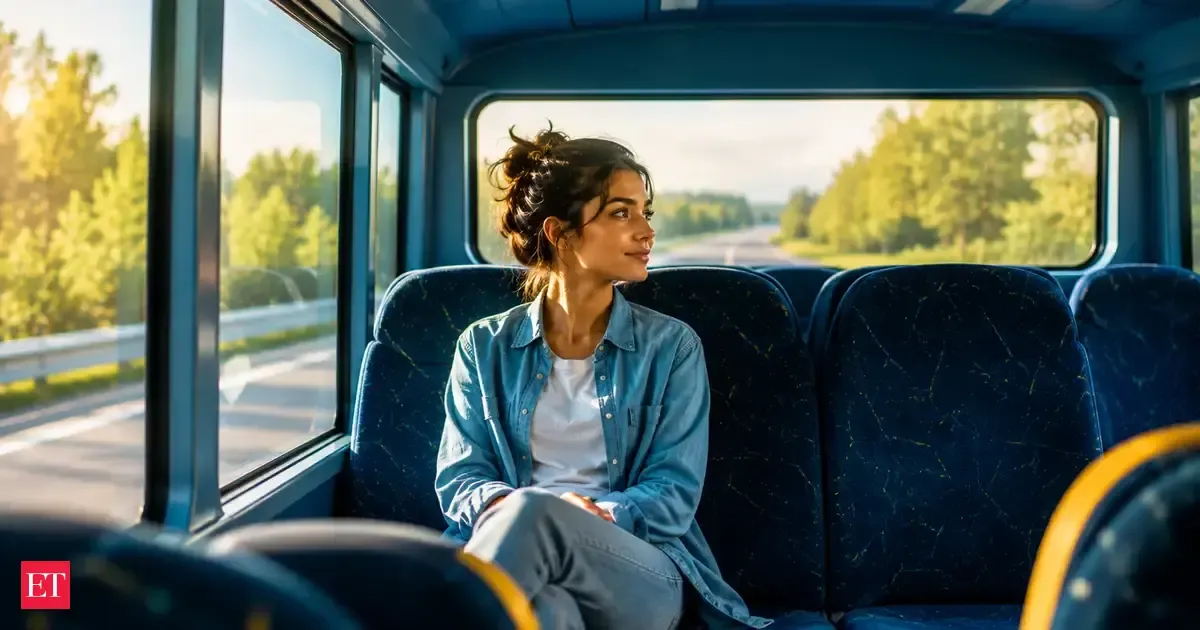
Psychological research suggests that seating preferences, such as choosing the back of a bus or corner seats in cafés, reflect a desire for control, privacy, and comfort. These choices align with environmental psychology principles like prospect-refuge theory, where individuals seek positions that allow observation of surroundings while minimizing exposure. Such preferences may stem from a need for personal space, security, and the ability to manage social interactions without necessarily indicating shyness or avoidance.

TBN's observations

First-hand measurement across 2 sources

We measured how 2 outlets covered this story. Coverage leans balanced overall (Left 0%, Centre 100%, Right 0%). Overall sentiment is neutral (62/100). Lens Score 22/100 — low public interest.

Outlets analysed (first-hand measurement by TBN's Bias Engine):

  • economictimes— balanced framing, neutral sentiment
  • economictimes— balanced framing, neutral sentiment
Political Bias
0%100%0%
Sentiment
62%
AI analysis of 2 sources · Published under editorial oversight by The Balanced News
Analysed 15 Jul 2026· How this analysis is produced· Editorial standards· Corrections

AI Analysis

Political bias across 2 sources
● Left 0%● Center 100%● Right 0%

The articles present a neutral psychological perspective without political framing. They focus on environmental psychology theories and human behavior, representing scientific viewpoints rather than political or ideological positions. The coverage emphasizes research findings and theoretical explanations without engaging in political discourse or partisan interpretations.

Sentiment — Neutral (62/100)

The tone across the articles is informative and neutral, aiming to explain human behavior through psychological concepts. There is no emotional or evaluative language, and the sentiment is balanced, focusing on understanding seating preferences without judgment or sensationalism.

How 2 sources covered this story

Each source's own headline, political lean, and sentiment — so you can see framing differences at a glance.

Reviewed byAniket Awate· Culture & Digital Media Writer· Edited byOjas Kale
← Previous
Monsoon-Related Rise in Mosquito-Borne and Respiratory Diseases in Mumbai and Delhi-NCR
Next →
Two Uttar Pradesh Teachers Suspended After Intimate Classroom Video Surfaces
SourceTheir headlineBiasSentiment
economictimesPsychology says people who always choose the backseat of the bus are not hiding, they may be looking for more control and privacyCenterNeutral
economictimesPsychology explains why people choose corner seats in cafés and what your brain may be trying to protectCenterNeutral

Coverage timeline

economictimes broke this story on 15 Jul, 04:02 am. Other outlets followed.

  1. 1
    economictimes15 Jul, 04:02 am
    Psychology explains why people choose corner seats in cafés and what your brain may be trying to protect
  2. 2
    economictimes15 Jul, 10:09 am
    Psychology says people who always choose the backseat of the bus are not hiding, they may be looking for more control and privacy

Lens Score breakdown

22/100
Public interest0/100
Coverage gap100%

Well-covered story — coverage matches public importance.

Story context

Category
Social
Location
United Kingdom
Sources analysed
2
Last analysed
15 Jul 2026
Key entities
ProxemicsPsychologyPrivacyPsychologistEnvironmental psychologyEdward T. HallAnthropologyBrainAutonomyTrait theorySocial relationUniversity