Skip to content
Get the Balanced News app for a better experience!
The Balanced News Logo
Analytics
The Balanced News Logo

Stay Balanced, Stay Informed

Menu
  • Browse News
  • Underreported Stories
  • Curated Feeds
  • Insights
  • Analytics
  • Our Writers
  • About Us
  • Download App
Learn
  • How It Works
  • Bias Detection
  • Lens Score
  • Source Bias Checker
  • Accountability
  • Custom Feeds
Newsroom
  • Writers & Analysts
  • About TBN
  • Editorial Standards
  • Corrections Policy
  • Our Partners
  • Insights
Socials
  • Youtube
  • Instagram
  • X
  • Facebook
News Categories
  • Trending
  • Politics
  • Sports
  • Business
  • Tech
  • Entertainment
  • Health
  • Science
  • Crime
  • Lifestyle
  • National
  • International
  • Good News
  • Crypto

Get Our App

Available for iOS and Android


LensFeedsInsightsAnalyticsTrendingGood NewsSportsPoliticsBusinessCrimeTechEntertainmentHealthNationalInternational

© 2026 The Balanced News. All rights reserved.

About UsEditorial StandardsCorrectionsHelp & SupportPrivacy PolicyTerms & Conditions
Government Plans to Notify Ecologically Sensitive Areas in Western Ghats Across Six States
Categories

Categories

Related Coverage

Select a news story to see related coverage from other media outlets.

Related Coverage

Select a news story to see related coverage from other media outlets.

  1. Home
  2. /
  3. social

Government Plans to Notify Ecologically Sensitive Areas in Western Ghats Across Six States

Analysed 22 Jun 2026·4 sources analysed·Gujarat, India·social
Government Plans to Notify Ecologically Sensitive Areas in Western Ghats Across Six StatesPreviousNext

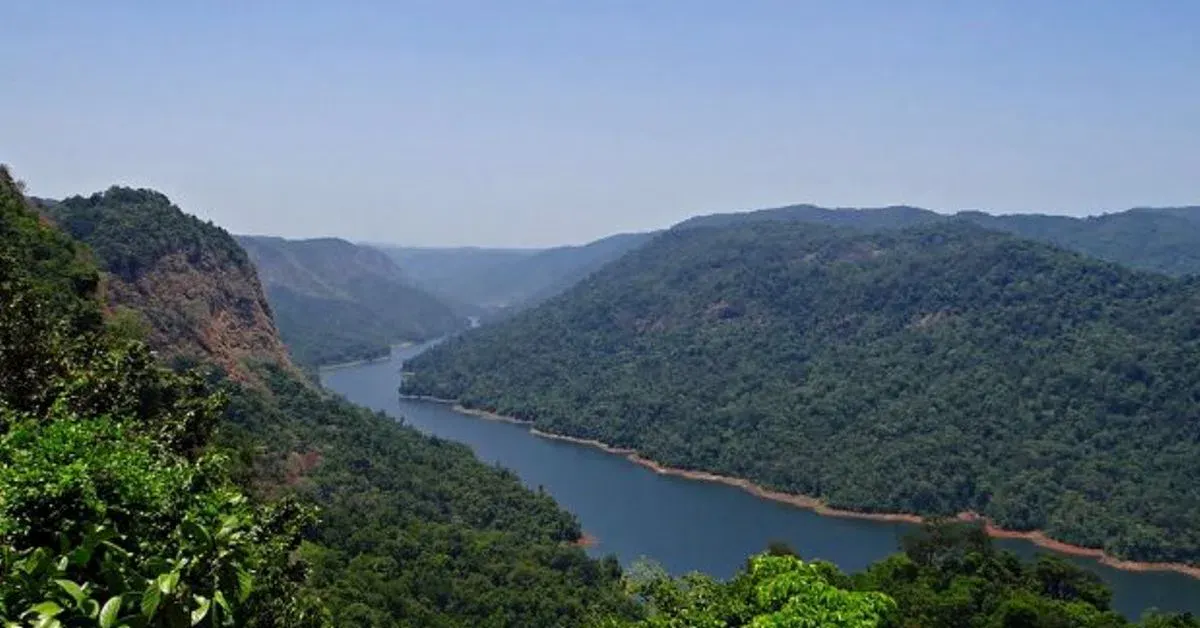
The Indian government is preparing to notify Ecologically Sensitive Areas (ESAs) covering over 56,000 square kilometres across six states in the Western Ghats, based on 2013 recommendations by the Kasturirangan committee. This move aims to strengthen environmental protections by restricting activities like mining and large construction. While states like Gujarat, Goa, Maharashtra, and Tamil Nadu have largely agreed, Kerala and Karnataka continue to seek reductions or question the process. The ESA designation intends to preserve biodiversity and ecological connectivity in this UNESCO World Heritage Site.

TBN's observations

First-hand measurement across 4 sources

We measured how 4 outlets covered this story. Coverage leans balanced overall (Left 15%, Centre 80%, Right 5%). Overall sentiment is neutral (61/100). Lens Score 36/100 — moderate-to-low public interest.

Outlets analysed (first-hand measurement by TBN's Bias Engine):

  • httpswwwoutlookindiacom— balanced framing, neutral sentiment
  • indianexpress— balanced framing, neutral sentiment
  • businessstandard— balanced framing, neutral sentiment
  • indianexpress— balanced framing, neutral sentiment
Political Bias
15%80%5%
Sentiment
61%
AI analysis of 4 sources · Published under editorial oversight by The Balanced News
Analysed 22 Jun 2026· How this analysis is produced· Editorial standards· Corrections

AI Analysis

Political bias across 4 sources
● Left 15%● Center 80%● Right 5%

The articles present multiple governmental and state perspectives, highlighting consensus among some states and ongoing disagreements from Kerala and Karnataka. The coverage focuses on official processes and environmental concerns without favoring any political party or ideology, reflecting a balanced presentation of administrative negotiations and ecological priorities.

Sentiment — Neutral (61/100)

The overall tone is neutral and informative, emphasizing the environmental significance of the Western Ghats and the government's efforts to protect it. While noting disputes between states and the Centre, the coverage avoids sensationalism, maintaining a factual and measured approach to the ongoing notification process.

How 4 sources covered this story

Each source's own headline, political lean, and sentiment — so you can see framing differences at a glance.

Reviewed byAniket Awate· Culture & Digital Media Writer· Edited byOjas Kale
← Previous
Financial Literacy Empowers Rural Women to Navigate Banking Challenges
Next →
Debate Grows Over Use of AI-Generated Book Covers in Publishing
SourceTheir headlineBiasSentiment
httpswwwoutlookindiacomWhat Are Ecologically Sensitive Areas? Centre's New Plan For The Western Ghats Explained Outlook IndiaCenterNeutral
indianexpressKnowledge Nugget: Why are the Western Ghats back in headlines?CenterNeutral
businessstandardWestern Ghats may get ESA tag: What are Ecologically Sensitive Areas?CenterNeutral
indianexpressGovernment prepares to notify Western Ghats eco sensitive areas in at least three statesCenterNeutral

Coverage timeline

indianexpress broke this story on 22 Jun, 12:05 am. Other outlets followed.

  1. 1
    indianexpress22 Jun, 12:05 am
    Government prepares to notify Western Ghats eco sensitive areas in at least three states
  2. 2
    businessstandard22 Jun, 07:53 am
    Western Ghats may get ESA tag: What are Ecologically Sensitive Areas?
  3. 3
    indianexpress22 Jun, 07:55 am
    Knowledge Nugget: Why are the Western Ghats back in headlines?
  4. 4
    httpswwwoutlookindiacom22 Jun, 08:28 am
    What Are Ecologically Sensitive Areas? Centre's New Plan For The Western Ghats Explained Outlook India

Lens Score breakdown

36/100
Public interest0/100
Coverage gap90%

Story is receiving appropriate media attention relative to public interest.

Who's involved

Institutions and figures named across source coverage.

Government
State Governments of GujaratState Governments of GoaState Governments of Tamil NaduState Governments of KarnatakaMinistry of Environment, Forest and Climate ChangeExpert CommitteeMinistry of Environment, Forests and Climate ChangeState Governments of MaharashtraSupreme CourtState Governments of KeralaEnvironment MinistryCentral Government
Judiciary
Supreme Court

Story context

Category
Social
Location
Gujarat, India
Sources analysed
4
Last analysed
22 Jun 2026
Key entities
Western GhatsKrishnaswamy KasturiranganThe Indian ExpressGoaGujaratMaharashtraEcologyEuropean Space AgencyBiodiversityIndiaMadhav GadgilBiodiversity hotspot