Skip to content
Get the Balanced News app for a better experience!
The Balanced News Logo
Analytics
The Balanced News Logo

Stay Balanced, Stay Informed

Menu
  • Browse News
  • Underreported Stories
  • Curated Feeds
  • Insights
  • Analytics
  • Our Writers
  • About Us
  • Download App
Learn
  • How It Works
  • Bias Detection
  • Lens Score
  • Source Bias Checker
  • Accountability
  • Custom Feeds
Newsroom
  • Writers & Analysts
  • About TBN
  • Editorial Standards
  • Corrections Policy
  • Our Partners
  • Insights
Socials
  • Youtube
  • Instagram
  • X
  • Facebook
News Categories
  • Trending
  • Politics
  • Sports
  • Business
  • Tech
  • Entertainment
  • Health
  • Science
  • Crime
  • Lifestyle
  • National
  • International
  • Good News
  • Crypto

Get Our App

Available for iOS and Android


LensFeedsInsightsAnalyticsTrendingGood NewsSportsPoliticsBusinessCrimeTechEntertainmentHealthNationalInternational

© 2026 The Balanced News. All rights reserved.

About UsEditorial StandardsCorrectionsHelp & SupportPrivacy PolicyTerms & Conditions
Distinct Dussehra Traditions Honor Ravana in Mandsaur and Payal Towns
Categories

Categories

Related Coverage

Select a news story to see related coverage from other media outlets.

Related Coverage

Select a news story to see related coverage from other media outlets.

  1. Home
  2. /
  3. Social

Distinct Dussehra Traditions Honor Ravana in Mandsaur and Payal Towns

Analysed 20 Oct 2026·2 sources analysed·Punjab, India, India·Social
Distinct Dussehra Traditions Honor Ravana in Mandsaur and Payal TownsPreviousNext

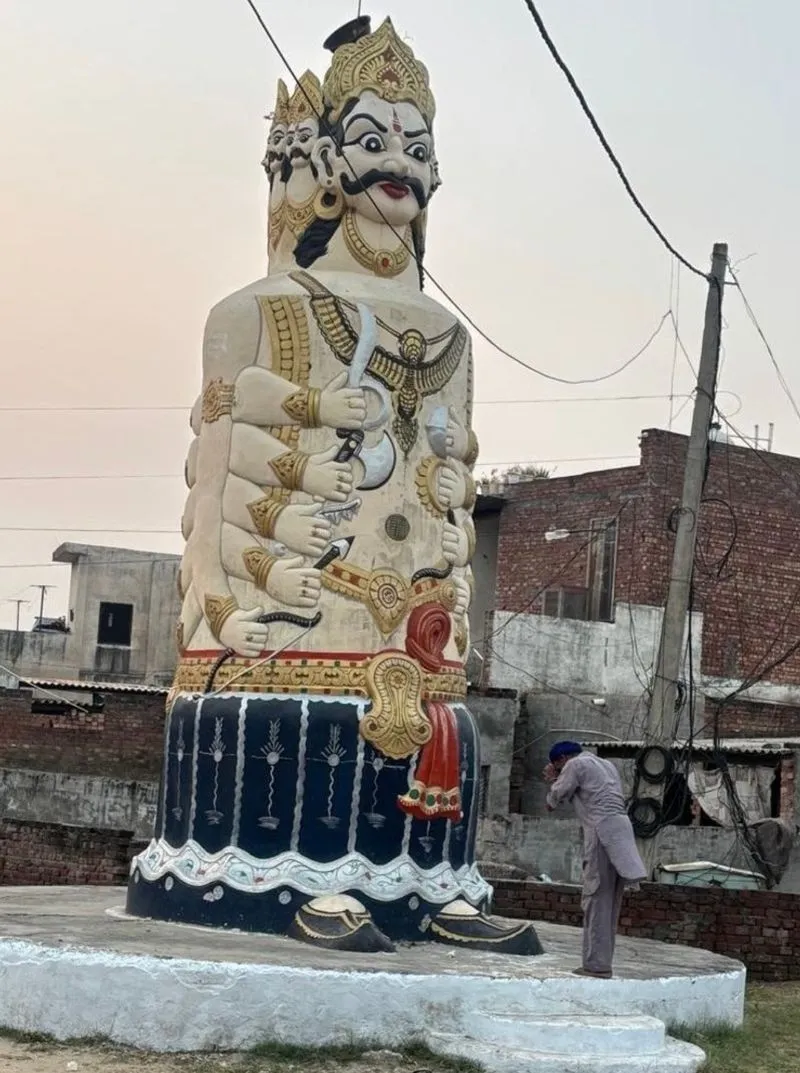
In parts of India, including Mandsaur in Madhya Pradesh and Payal in Punjab, unique Dussehra traditions honor Ravana differently from the common practice of burning his effigy. In Mandsaur, Ravana is revered as the son-in-law of the local Namdev community, with women covering their faces in respect. In Payal, women worship Ravana's statue and tie Rakhi to it, believing he offers protection and counters evil. These customs reflect local cultural beliefs that view Ravana as a protective figure rather than solely as a symbol of evil.

Sentiment
50%
TBN's observations

First-hand measurement across 2 sources

We measured how 2 outlets covered this story. No outlet gave this story a measurable political slant — there is no left–right reading to report. Overall sentiment is neutral (50/100). Lens Score 30/100.

Outlets measured: thetribune, news18. See how each one headlined and framed the same story in the source comparison below.

AI analysis of 2 sources · Published under editorial oversight by The Balanced News
Analysed 20 Oct 2026· How this analysis is produced· Editorial standards· Corrections

AI Analysis

Sentiment — Neutral (50/100)

Sentiment was consistent across outlets (50–50/100), indicating broadly factual reporting rather than editorialising.

Coverage timeline

news18 broke this story on 20 Oct, 02:02 am. Other outlets followed.

20 Oct, 02:02 am2 sources · 5 h20 Oct, 07:09 am
AI analysis by the TBN Bias Engine · beat methodology byAniket Awate· Culture & Digital Media Writer· editorial standards byOjas Kale
← Previous
Indore Faces Water Shortage Amid Rainfall Deficit; Officials Urge Conservation
Next →
Rare Flowering Shrub Ardisia colorata Rediscovered in Assam After 204 Years
1
news1820 Oct, 02:02 am
Why Do Women Cover Their Faces Before Ravana's Statue? Mandsaur's Unique Dussehra Tradition
  • 2
    thetribune20 Oct, 07:09 am
    While India burns Ravana, women in this quaint Punjab town tie Rakhi to his grand idol - The Tribune
  • Story context

    Category
    Social
    Location
    Punjab, India, India
    Sources analysed
    2
    Last analysed
    20 Oct 2026
    Key entities
    VijayadashamiRavanaEffigyIndiaMandsaurMandodariMadhya PradeshNamdevFolkloreDemonRitualNetwork18 Group