Skip to content
Get the Balanced News app for a better experience!
The Balanced News Logo
Analytics
The Balanced News Logo

Stay Balanced, Stay Informed

Menu
  • Browse News
  • Underreported Stories
  • Curated Feeds
  • Insights
  • Analytics
  • Our Writers
  • About Us
  • Download App
Learn
  • How It Works
  • Bias Detection
  • Lens Score
  • Source Bias Checker
  • Accountability
  • Custom Feeds
Newsroom
  • Writers & Analysts
  • About TBN
  • Editorial Standards
  • Corrections Policy
  • Our Partners
  • Insights
Socials
  • Youtube
  • Instagram
  • X
  • Facebook
News Categories
  • Trending
  • Politics
  • Sports
  • Business
  • Tech
  • Entertainment
  • Health
  • Science
  • Crime
  • Lifestyle
  • National
  • International
  • Good News
  • Crypto

Get Our App

Available for iOS and Android


LensFeedsInsightsAnalyticsTrendingGood NewsSportsPoliticsBusinessCrimeTechEntertainmentHealthNationalInternational

© 2026 The Balanced News. All rights reserved.

About UsEditorial StandardsCorrectionsHelp & SupportPrivacy PolicyTerms & Conditions
India's 2026 Monsoon Shows Variable Rainfall with Growing Deficit Amid El Niño
Categories

Categories

Related Coverage

Select a news story to see related coverage from other media outlets.

Related Coverage

Select a news story to see related coverage from other media outlets.

  1. Home
  2. /
  3. Social

India's 2026 Monsoon Shows Variable Rainfall with Growing Deficit Amid El Niño

Analysed 17 Jul 2026·4 sources analysed·India·Social
India's 2026 Monsoon Shows Variable Rainfall with Growing Deficit Amid El NiñoPreviousNext

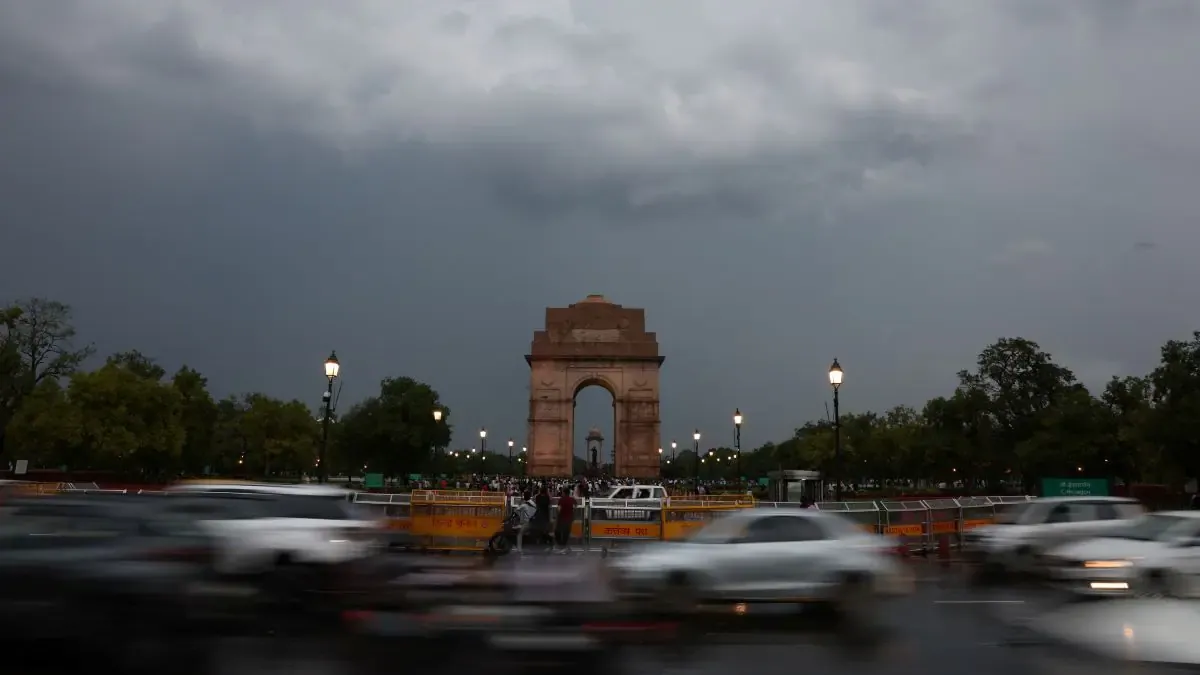
India's 2026 monsoon has shown significant variability, with periods of intense rainfall followed by extended dry breaks, leading to a 24% national rainfall deficit by mid-July—exceeding the full-season shortfall of the 2002 drought year. Scientists attribute this pattern to natural active-break cycles and the influence of El Niño, which disrupts moisture flows and shifts the monsoon trough northward. These fluctuations challenge traditional monsoon predictability, impacting agriculture, water resources, and disaster management across regions unevenly affected by the deficit.

TBN's observations

First-hand measurement across 4 sources

We measured how 4 outlets covered this story. Coverage leans balanced overall (Left 0%, Centre 100%, Right 0%). Overall sentiment is neutral (42/100). Lens Score 26/100 — low public interest.

Outlets analysed (first-hand measurement by TBN's Bias Engine):

  • indiatoday— balanced framing, neutral sentiment
  • economictimes— balanced framing, neutral sentiment
  • firstpost— balanced framing, neutral sentiment
  • indiatoday— balanced framing, neutral sentiment
Political Bias
0%100%0%
Sentiment
42%
AI analysis of 4 sources · Published under editorial oversight by The Balanced News
Analysed 17 Jul 2026· How this analysis is produced· Editorial standards· Corrections

AI Analysis

Political bias across 4 sources
● Left 0%● Center 100%● Right 0%

The article group presents a largely scientific and meteorological perspective on the 2026 monsoon, focusing on data and expert analysis without political framing. Sources emphasize natural climate variability and El Niño's role, with no evident partisan viewpoints or policy debates. The coverage centers on factual explanations and regional impacts, reflecting a consensus on the monsoon's behavior rather than political interpretations.

Sentiment — Neutral (42/100)

The overall tone across the articles is cautiously concerned, highlighting the challenges posed by the monsoon's irregularity and rainfall deficits. While acknowledging some periods of heavy rain, the sentiment underscores risks to agriculture, water security, and infrastructure due to unpredictability and drought-like conditions. The coverage balances recognition of natural variability with the implications of a weakening monsoon, resulting in a mixed but predominantly serious sentiment.

How 4 sources covered this story

AI analysis by the TBN Bias Engine · beat methodology byAniket Awate· Culture & Digital Media Writer· editorial standards byOjas Kale
← Previous
Koregaon Bhima Inquiry Seeks Documents from Uddhav Thackeray Following Prakash Ambedkar's Application
Next →
Ceiling Collapse in Noida's Gardenia Gateway Raises Resident Safety Concerns

Each source's own headline, political lean, and sentiment — so you can see framing differences at a glance.

SourceTheir headlineBiasSentiment
indiatodayMonsoon deficit at 24 , exceeds the 2002 drought year's final tally: What this meansCenterNeutral
economictimesPoring over pouring monsoon dataCenterNeutral
firstpostAre India's monsoon breaks becoming longer or more frequent?CenterNeutral
indiatodayWhy has the monsoon ghosted half of India? El Nino and a shifting trough explainedCenterNeutral

Coverage timeline

indiatoday broke this story on 16 Jul, 03:11 am. Other outlets followed.

  1. 1
    indiatoday16 Jul, 03:11 am
    Why has the monsoon ghosted half of India? El Nino and a shifting trough explained
  2. 2
    firstpost16 Jul, 06:59 am
    Are India's monsoon breaks becoming longer or more frequent?
  3. 3
    economictimes16 Jul, 06:25 pm
    Poring over pouring monsoon data
  4. 4
    indiatoday17 Jul, 01:32 am
    Monsoon deficit at 24 , exceeds the 2002 drought year's final tally: What this means

Lens Score breakdown

26/100
Public interest0/100
Coverage gap100%

Well-covered story — coverage matches public importance.

Who's involved

Institutions and figures named across source coverage.

Government
India Meteorological Department

Story context

Category
Social
Location
India
Sources analysed
4
Last analysed
17 Jul 2026
Key entities
MonsoonIndiaHimalayasEl NiñoEquatorNortheast IndiaIndian OceanMonsoon troughIndian Institute of Tropical MeteorologyBay of BengalIndia Meteorological DepartmentOdisha