Skip to content
Get the Balanced News app for a better experience!
The Balanced News Logo
Analytics
The Balanced News Logo

Stay Balanced, Stay Informed

Menu
  • Browse News
  • Underreported Stories
  • Curated Feeds
  • Insights
  • Analytics
  • Our Writers
  • About Us
  • Download App
Learn
  • How It Works
  • Bias Detection
  • Lens Score
  • Source Bias Checker
  • Accountability
  • Custom Feeds
Newsroom
  • Writers & Analysts
  • About TBN
  • Editorial Standards
  • Corrections Policy
  • Our Partners
  • Insights
Socials
  • Youtube
  • Instagram
  • X
  • Facebook
News Categories
  • Trending
  • Politics
  • Sports
  • Business
  • Tech
  • Entertainment
  • Health
  • Science
  • Crime
  • Lifestyle
  • National
  • International
  • Good News
  • Crypto

Get Our App

Available for iOS and Android


LensFeedsInsightsAnalyticsTrendingGood NewsSportsPoliticsBusinessCrimeTechEntertainmentHealthNationalInternational

© 2026 The Balanced News. All rights reserved.

About UsEditorial StandardsCorrectionsHelp & SupportPrivacy PolicyTerms & Conditions
Global Tree Planting Efforts Show Mixed Ecological and Environmental Impacts
Categories

Categories

Related Coverage

Select a news story to see related coverage from other media outlets.

Related Coverage

Select a news story to see related coverage from other media outlets.

  1. Home
  2. /
  3. Social

Global Tree Planting Efforts Show Mixed Ecological and Environmental Impacts

Analysed 3 Jul 2026·4 sources analysed·New Zealand·Social
Global Tree Planting Efforts Show Mixed Ecological and Environmental ImpactsPreviousNext

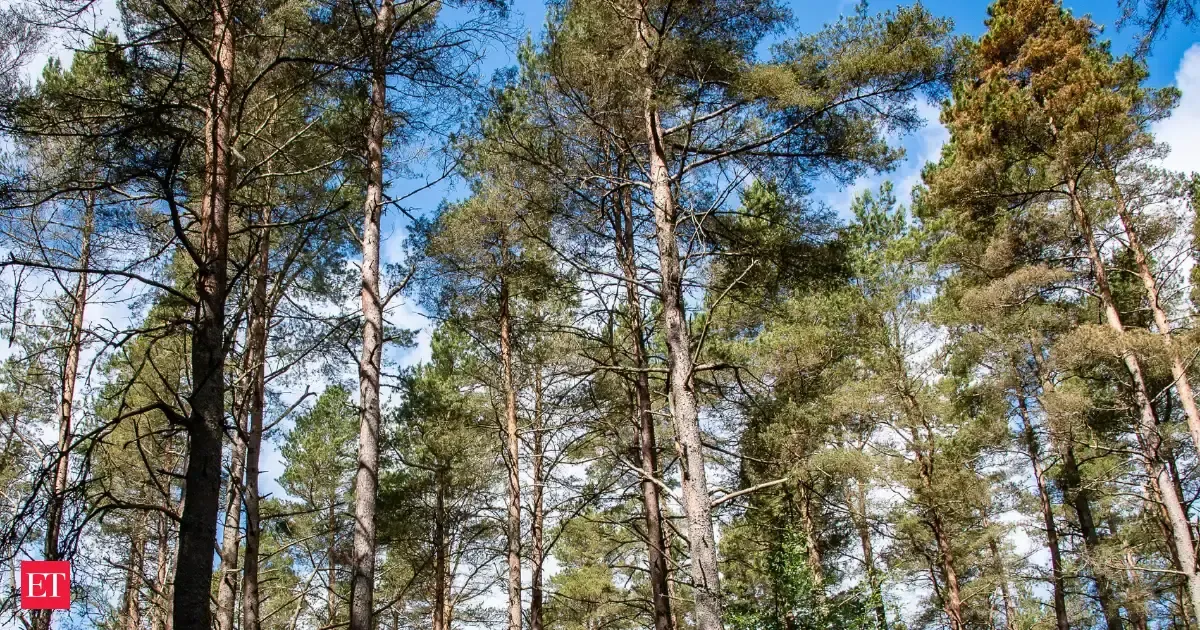
Several countries have implemented large-scale tree planting initiatives to address environmental challenges, with mixed ecological outcomes. New Zealand faces invasive pine species overrunning native habitats, while South Africa's introduced Australian acacias threaten river ecosystems by consuming excessive water. A study from Hiroshima University highlights that planting shelterbelts benefits some bird species but harms others dependent on open habitats. Meanwhile, China's extensive reforestation efforts have resulted in faster-growing planted forests compared to natural ones, offering short-term carbon uptake benefits but raising questions about long-term ecosystem impacts.

TBN's observations

First-hand measurement across 4 sources

We measured how 4 outlets covered this story. Coverage leans balanced overall (Left 2%, Centre 98%, Right 0%). Overall sentiment is neutral (52/100). Lens Score 24/100 — low public interest.

Outlets analysed (first-hand measurement by TBN's Bias Engine):

  • economictimes— balanced framing, neutral sentiment
  • economictimes— balanced framing, neutral sentiment
  • indianexpress— balanced framing, neutral sentiment
  • economictimes— balanced framing, neutral sentiment
Political Bias
2%98%0%
Sentiment
52%
AI analysis of 4 sources · Published under editorial oversight by The Balanced News
Analysed 3 Jul 2026· How this analysis is produced· Editorial standards· Corrections

AI Analysis

Political bias across 4 sources
● Left 2%● Center 98%● Right 0%

The article group presents a range of environmental perspectives without evident political alignment, focusing on ecological consequences of tree planting initiatives in different countries. Sources include scientific studies and expert commentary, emphasizing environmental management challenges rather than political debate. The coverage balances government-led programs and scientific assessments, reflecting a neutral stance on policy effectiveness.

Sentiment — Neutral (52/100)

The overall tone is mixed, combining cautious optimism about reforestation benefits with concerns over unintended ecological consequences. While China's program is noted for positive carbon uptake, other cases highlight environmental challenges and costs. The sentiment reflects a balanced view acknowledging both successes and complexities in large-scale tree planting efforts.

How 4 sources covered this story

Reviewed byAniket Awate· Culture & Digital Media Writer· Edited byOjas Kale
← Previous
Arunachal Pradesh Floods Cause Widespread Damage Amid Ongoing Recovery Efforts
Next →
World Book of Records Holds 10th Summit and Launches Global Record Holders Association

Each source's own headline, political lean, and sentiment — so you can see framing differences at a glance.

SourceTheir headlineBiasSentiment
economictimesNew Zealand in the 1850s planted millions of pines for timber, but today scientists are spending millions trying to stop them from overrunning native mountainsCenterNeutral
economictimesSouth Africa, in the mid-1800s, planted millions of Australian acacias as a dune fix; 180 years later, that decision is costing the country its rivers and ecosystemCenterNeutral
indianexpressWhen planting more trees impacts bird populationCenterNeutral
economictimesChina spent decades planting 66 billion trees; scientists found they now outgrow natural forests by 66CenterNeutral

Coverage timeline

economictimes broke this story on 2 Jul, 01:35 pm. Other outlets followed.

  1. 1
    economictimes2 Jul, 01:35 pm
    China spent decades planting 66 billion trees; scientists found they now outgrow natural forests by 66
  2. 2
    indianexpress3 Jul, 08:28 am
    When planting more trees impacts bird population
  3. 3
    economictimes3 Jul, 12:54 pm
    South Africa, in the mid-1800s, planted millions of Australian acacias as a dune fix; 180 years later, that decision is costing the country its rivers and ecosystem
  4. 4
    economictimes3 Jul, 01:01 pm
    New Zealand in the 1850s planted millions of pines for timber, but today scientists are spending millions trying to stop them from overrunning native mountains

Lens Score breakdown

24/100
Public interest0/100
Coverage gap90%

Well-covered story — coverage matches public importance.

Who's involved

Institutions and figures named across source coverage.

Government
New Zealand Biosecurity AgencyNational Wilding Conifer Control Program

Story context

Category
Social
Location
New Zealand
Sources analysed
4
Last analysed
3 Jul 2026
Key entities
SpeciesEcosystemGrasslandHabitatWindbreakCarbonIndiaClimate resilienceWilding coniferPineLumberForestry