Skip to content
Get the Balanced News app for a better experience!
The Balanced News Logo
Analytics
The Balanced News Logo

Stay Balanced, Stay Informed

Menu
  • Browse News
  • Underreported Stories
  • Curated Feeds
  • Insights
  • Analytics
  • Our Writers
  • About Us
  • Download App
Learn
  • How It Works
  • Bias Detection
  • Lens Score
  • Source Bias Checker
  • Accountability
  • Custom Feeds
Newsroom
  • Writers & Analysts
  • About TBN
  • Editorial Standards
  • Corrections Policy
  • Our Partners
  • Insights
Socials
  • Youtube
  • Instagram
  • X
  • Facebook
News Categories
  • Trending
  • Politics
  • Sports
  • Business
  • Tech
  • Entertainment
  • Health
  • Science
  • Crime
  • Lifestyle
  • National
  • International
  • Good News
  • Crypto

Get Our App

Available for iOS and Android


LensFeedsInsightsAnalyticsTrendingGood NewsSportsPoliticsBusinessCrimeTechEntertainmentHealthNationalInternational

© 2026 The Balanced News. All rights reserved.

About UsEditorial StandardsCorrectionsHelp & SupportPrivacy PolicyTerms & Conditions
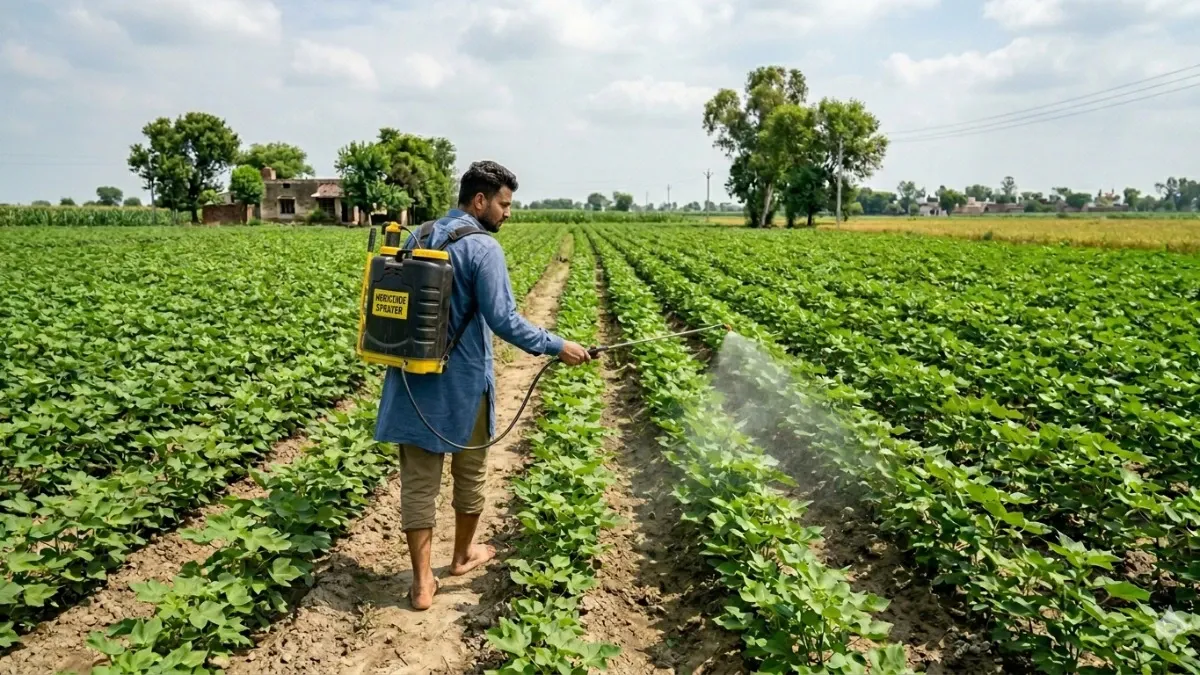
Concerns Rise Over Glyphosate Use and Residue Limits in Indian Agriculture and Imports
Categories

Categories

Related Coverage

Select a news story to see related coverage from other media outlets.

Related Coverage

Select a news story to see related coverage from other media outlets.

  1. Home
  2. /
  3. social

Concerns Rise Over Glyphosate Use and Residue Limits in Indian Agriculture and Imports

Analysed 12 Jun 2026·2 sources analysed·India·social
Concerns Rise Over Glyphosate Use and Residue Limits in Indian Agriculture and ImportsPreviousNext

Glyphosate, a widely used herbicide declared a probable carcinogen by WHO's IARC in 2015, remains prevalent in Indian agriculture and food imports. Despite health concerns and evidence of persistent weeds, Indian regulators classify glyphosate as safe, allowing higher residue limits in imported pulses and soybeans than typical pesticide standards. Critics highlight potential health risks from long-term exposure and question regulatory leniency amid corporate profits and international trade pressures.

TBN's observations

First-hand measurement across 2 sources

We measured how 2 outlets covered this story. Coverage leans left-leaning overall (Left 70%, Centre 25%, Right 5%). Overall sentiment is negative (28/100). Lens Score 42/100 — moderate-to-low public interest.

Outlets analysed (first-hand measurement by TBN's Bias Engine):

  • indiatoday— left-leaning framing, negative sentiment
  • indiatoday— left-leaning framing, negative sentiment
Political Bias
70%25%5%
Sentiment
28%
AI analysis of 2 sources · Published under editorial oversight by The Balanced News
Analysed 12 Jun 2026· How this analysis is produced· Editorial standards· Corrections

AI Analysis

Political bias across 2 sources
● Left 70%● Center 25%● Right 5%

The articles present perspectives critical of regulatory authorities and agrochemical companies, emphasizing potential regulatory capture and health risks. They highlight tensions between public health concerns and economic interests, including international trade. While the sources focus on government and corporate accountability, they do not include direct responses from regulators or industry, reflecting a critical but not overtly partisan framing.

Sentiment — Negative (28/100)

The overall tone is cautionary and critical, focusing on health risks and regulatory shortcomings related to glyphosate use and residue standards. The sentiment underscores concerns about potential harm to farmers and consumers, with an emphasis on the negative implications of regulatory decisions. There is limited positive or neutral sentiment, reflecting the investigative nature of the coverage.

How 2 sources covered this story

Reviewed byAniket Awate· Culture & Digital Media Writer· Edited byOjas Kale
← Previous
Transgender Activist Addresses Privacy Concerns Over Viral Delhi Protest Video
Next →
Clearance Granted to Fell or Transplant 1,254 Trees for Bijwasan Rail Terminal Project

Each source's own headline, political lean, and sentiment — so you can see framing differences at a glance.

SourceTheir headlineBiasSentiment
indiatodayGlyphosate files: Are imported pulses exposing Indians to health risk?LeftNegative
indiatodayGlyphosate: Why a herbicide declared cancerous by WHO generates profits in IndiaLeftNegative

Coverage timeline

indiatoday broke this story on 11 Jun, 11:25 am. Other outlets followed.

  1. 1
    indiatoday11 Jun, 11:25 am
    Glyphosate: Why a herbicide declared cancerous by WHO generates profits in India
  2. 2
    indiatoday12 Jun, 07:53 am
    Glyphosate files: Are imported pulses exposing Indians to health risk?

Lens Score breakdown

42/100
Public interest0/100
Coverage gap100%

Story is receiving appropriate media attention relative to public interest.

Accountability flags

TBN's analysis identified the following accountability dimensions in this story.

  • abuse of power

    This story involves alleged misuse of official authority or institutional position to achieve personal or political ends.

  • systemic failure

    This story points to a failure in institutional processes — regulation, safety, oversight, or service delivery breaking down at scale.

  • public safety issue

    This story involves a risk to public safety — infrastructure failure, regulatory lapse, hazardous conditions, or emergency mishandling.

  • environmental violation

    This story involves alleged damage to environment or non-compliance with environmental regulation.

Who's involved

Institutions and figures named across source coverage.

Government
Central Insecticides Board and Registration CommitteeFood Safety and Standards Authority of IndiaDelhi High CourtUnion Ministry of Agriculture and Farmers Welfare
Corporate
BayerMonsanto
Judiciary
Delhi High Court

Story context

Category
Social
Location
India
Sources analysed
2
Last analysed
12 Jun 2026
Key entities
HerbicideGlyphosateIndiaInternational Agency for Research on CancerPesticideUnited StatesWeedMonsantoPoaceaeWorld Health OrganizationCancerAgriculture