Supreme Court Recognizes Right to Walk on Footpaths Amid Urban Infrastructure Challenges
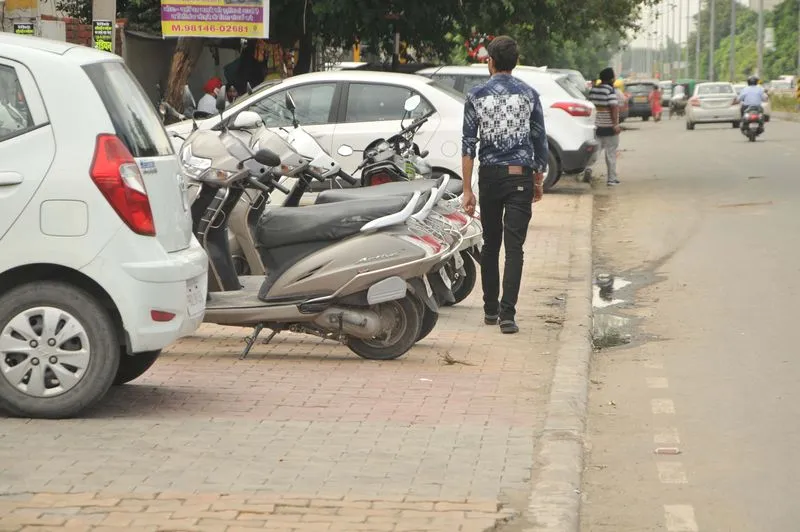
The Supreme Court of India has ruled that the right to walk on demarcated footpaths is a fundamental right under the right to life and free movement. The court emphasized the duty of urban authorities to maintain safe, accessible footpaths. Despite this, many Indian cities, including Hyderabad, face challenges such as obstructed, poorly maintained sidewalks and encroachments, highlighting a gap between policy and implementation. The ruling calls for improved pedestrian infrastructure and regulatory measures to ensure safe walking spaces.
First-hand measurement across 2 sources
We measured how 2 outlets covered this story. Coverage leans balanced overall (Left 30%, Centre 65%, Right 5%). Overall sentiment is neutral (48/100). Lens Score 46/100 — moderate-to-low public interest.
Outlets analysed (first-hand measurement by TBN's Bias Engine):
- thehindu— balanced framing, negative sentiment
- thetribune— balanced framing, neutral sentiment
AI Analysis
The articles present a largely neutral perspective focused on legal and urban planning issues. They highlight the Supreme Court's ruling and critique existing urban policies without partisan framing. The coverage includes government responsibilities and civil society concerns, reflecting a consensus on the need for better pedestrian infrastructure rather than political debate.
The tone across the articles is cautiously positive, welcoming the Supreme Court's recognition of pedestrian rights while critically noting the current poor state of footpaths. The coverage balances optimism about the ruling with concern over practical challenges, resulting in a mixed but constructive sentiment.
How 2 sources covered this story
Each source's own headline, political lean, and sentiment — so you can see framing differences at a glance.