Skip to content
Get the Balanced News app for a better experience!
The Balanced News Logo
Analytics
The Balanced News Logo

Stay Balanced, Stay Informed

Menu
  • Browse News
  • Underreported Stories
  • Curated Feeds
  • Insights
  • Analytics
  • Our Writers
  • About Us
  • Download App
Learn
  • How It Works
  • Bias Detection
  • Lens Score
  • Source Bias Checker
  • Accountability
  • Custom Feeds
Newsroom
  • Writers & Analysts
  • About TBN
  • Editorial Standards
  • Corrections Policy
  • Our Partners
  • Insights
Socials
  • Youtube
  • Instagram
  • X
  • Facebook
News Categories
  • Trending
  • Politics
  • Sports
  • Business
  • Tech
  • Entertainment
  • Health
  • Science
  • Crime
  • Lifestyle
  • National
  • International
  • Good News
  • Crypto

Get Our App

Available for iOS and Android


LensFeedsInsightsAnalyticsTrendingGood NewsSportsPoliticsBusinessCrimeTechEntertainmentHealthNationalInternational

© 2026 The Balanced News. All rights reserved.

About UsEditorial StandardsCorrectionsHelp & SupportPrivacy PolicyTerms & Conditions
Study Finds Thwaites Glacier Melting Faster, Doubling Sea Level Rise Estimates by 2100
Categories

Categories

Related Coverage

Select a news story to see related coverage from other media outlets.

Related Coverage

Select a news story to see related coverage from other media outlets.

  1. Home
  2. /
  3. Social

Study Finds Thwaites Glacier Melting Faster, Doubling Sea Level Rise Estimates by 2100

Analysed 17 Oct 2026·2 sources analysed·Miami, United States·Social
Study Finds Thwaites Glacier Melting Faster, Doubling Sea Level Rise Estimates by 2100PreviousNext

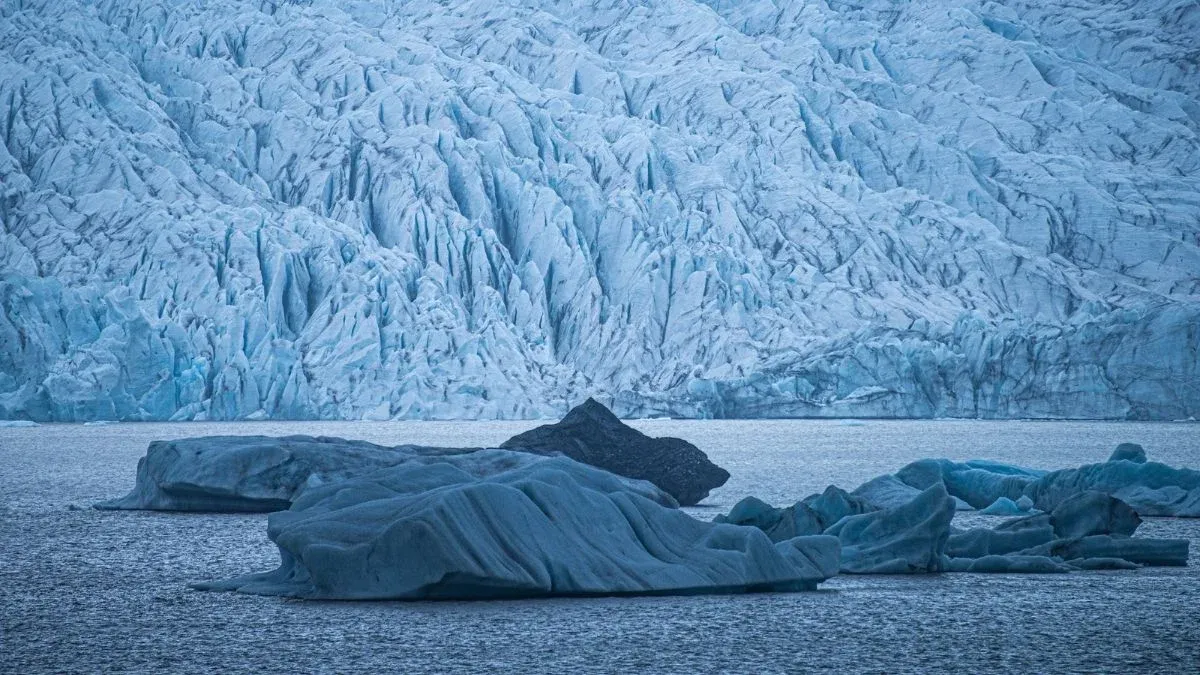
New research by scientists from the University of California, Irvine, and NASA reveals that the Thwaites Glacier, known as the 'Doomsday Glacier,' is melting faster than previously estimated. Incorporating a broader 'grounding zone' into ice sheet models, the study predicts the glacier could raise global sea levels by about 3 cm (1.2 inches) by 2100, doubling earlier projections. The glacier's potential detachment from an underwater ridge could accelerate retreat, increasing risks of coastal flooding in coming decades.

Sentiment
36%
TBN's observations

First-hand measurement across 2 sources

We measured how 2 outlets covered this story. No outlet gave this story a measurable political slant — there is no left–right reading to report. Overall sentiment is negative (36/100). Lens Score 47/100.

Outlets measured: theprint, hindustantimes. See how each one headlined and framed the same story in the source comparison below.

AI analysis of 2 sources · Published under editorial oversight by The Balanced News
Analysed 17 Oct 2026· How this analysis is produced· Editorial standards· Corrections

AI Analysis

Sentiment — Negative (36/100)

Sentiment was consistent across outlets (28–45/100), indicating broadly factual reporting rather than editorialising.

Coverage timeline

hindustantimes broke this story on 17 Oct, 01:12 am. Other outlets followed.

17 Oct, 01:12 am2 sources · 11 h17 Oct, 11:43 am
  1. 1
AI analysis by the TBN Bias Engine · beat methodology byAniket Awate· Culture & Digital Media Writer· editorial standards byOjas Kale
← Previous
Delhi Food Safety Inspections Find Expired Products and Pest Issues at Online Stores
Next →
Haryana Farmers Protest Delays and Issues in Paddy Procurement and MSP Enforcement
hindustantimes17 Oct, 01:12 am
'Doomsday Glacier' melting faster than expected, study warns
  • 2
    theprint17 Oct, 11:43 am
    Scientists underestimated 'Doomsday Glacier'. It could raise sea levels by 3 cm by 2100
  • Who's involved

    Institutions and figures named across source coverage.

    Government
    University of California, IrvineNational Aeronautics and Space Administration

    Story context

    Category
    Social
    Location
    Miami, United States
    Sources analysed
    2
    Last analysed
    17 Oct 2026
    Key entities
    Marine ice sheet instabilityJet Propulsion LaboratoryUniversity of California, IrvineGlaciologySea levelSeawaterIce sheetGlacierEarthSea level riseEric RignotEarth system science