USDA Detects Possible Case of Flesh-Eating New World Screwworm in South Texas
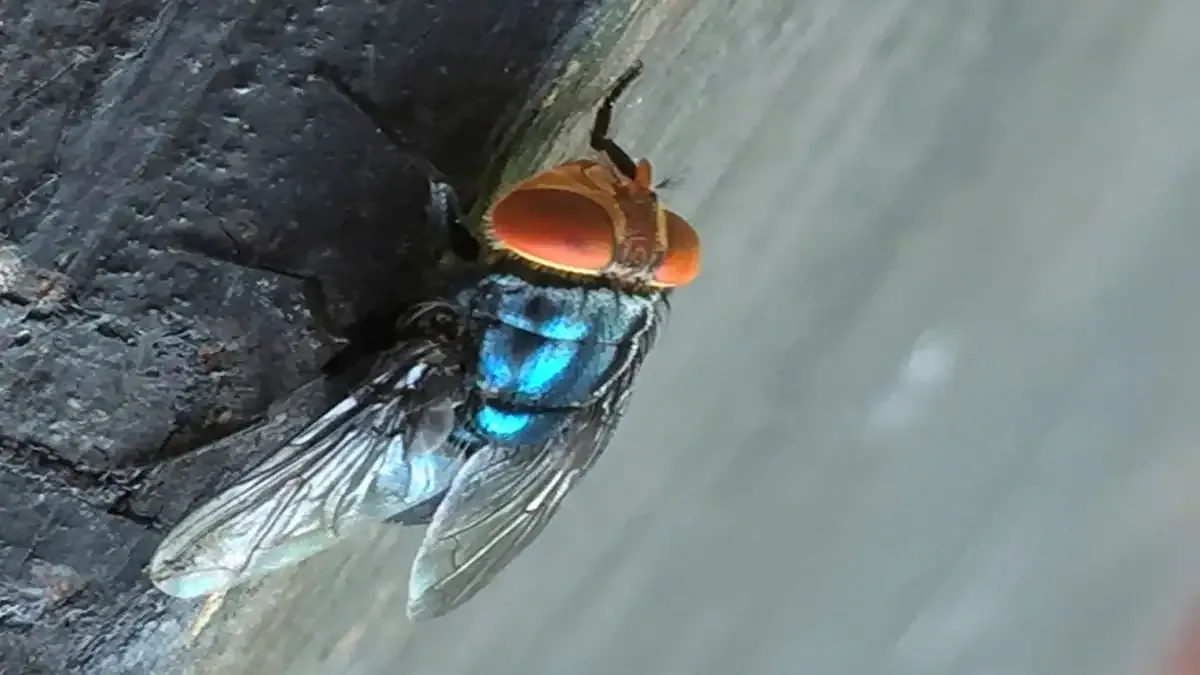
The US Department of Agriculture (USDA) has detected a possible case of the flesh-eating New World screwworm in South Texas, marking its first appearance since 1966. The parasite, which infests warm-blooded animals by burrowing into wounds, primarily affects livestock but can also impact humans. Confirmatory testing is underway, and USDA has activated response teams. Officials express concern over potential economic impacts on livestock and beef prices, emphasizing efforts to contain the threat.
First-hand measurement across 2 sources
We measured how 2 outlets covered this story. Coverage leans balanced overall (Left 5%, Centre 93%, Right 2%). Overall sentiment is neutral (45/100). Lens Score 37/100 — moderate-to-low public interest.
Outlets analysed (first-hand measurement by TBN's Bias Engine):
- firstpost— balanced framing, neutral sentiment
- hindustantimes— balanced framing, neutral sentiment
AI Analysis
The article group presents perspectives primarily from government sources, including the USDA and a US representative, focusing on official responses and concerns about livestock health and economic impact. There is no evident partisan framing; the coverage centers on agricultural and public health implications, reflecting a consensus on the seriousness of the detection and the need for containment.
The overall tone is cautious and concerned, highlighting the potential risks posed by the screwworm to livestock and the economy. While the detection is alarming, the articles avoid sensationalism, emphasizing ongoing testing and response measures. The sentiment balances awareness of the threat with reassurance about efforts to manage it.
How 2 sources covered this story
Each source's own headline, political lean, and sentiment — so you can see framing differences at a glance.