Skip to content
Get the Balanced News app for a better experience!
The Balanced News Logo
Analytics
The Balanced News Logo

Stay Balanced, Stay Informed

Menu
  • Browse News
  • Underreported Stories
  • Curated Feeds
  • Insights
  • Analytics
  • Our Writers
  • About Us
  • Download App
Learn
  • How It Works
  • Bias Detection
  • Lens Score
  • Source Bias Checker
  • Accountability
  • Custom Feeds
Newsroom
  • Writers & Analysts
  • About TBN
  • Editorial Standards
  • Corrections Policy
  • Our Partners
  • Insights
Socials
  • Youtube
  • Instagram
  • X
  • Facebook
News Categories
  • Trending
  • Politics
  • Sports
  • Business
  • Tech
  • Entertainment
  • Health
  • Science
  • Crime
  • Lifestyle
  • National
  • International
  • Good News
  • Crypto

Get Our App

Available for iOS and Android


LensFeedsInsightsAnalyticsTrendingGood NewsSportsPoliticsBusinessCrimeTechEntertainmentHealthNationalInternational

© 2026 The Balanced News. All rights reserved.

About UsEditorial StandardsCorrectionsHelp & SupportPrivacy PolicyTerms & Conditions
Psychology Explains Emotional Impact of Unread Messages, Ghosting, and Social Media Behaviors
Categories

Categories

Related Coverage

Select a news story to see related coverage from other media outlets.

Related Coverage

Select a news story to see related coverage from other media outlets.

  1. Home
  2. /
  3. social

Psychology Explains Emotional Impact of Unread Messages, Ghosting, and Social Media Behaviors

Analysed 14 Jun 2026·4 sources analysed·social
Psychology Explains Emotional Impact of Unread Messages, Ghosting, and Social Media BehaviorsPreviousNext

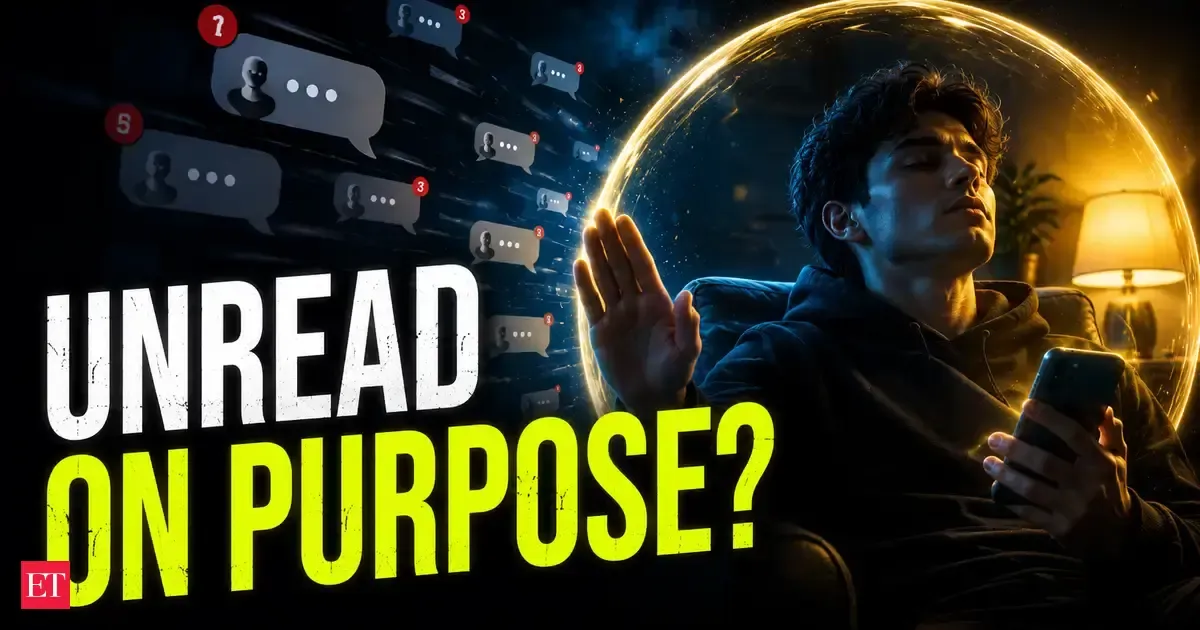
Psychological research explains that behaviors like leaving messages unread, repeatedly checking social media profiles, ghosting, and soft blocking reflect complex emotional processes rather than simple rudeness or curiosity. These actions often relate to boundary-setting, emotional regulation, or unresolved feelings. The Zeigarnik Effect highlights how unfinished social interactions cause the brain to seek closure, making ambiguous digital behaviors especially challenging for younger generations to process emotionally.

TBN's observations

First-hand measurement across 2 sources

We measured how 2 outlets covered this story. Coverage leans balanced overall (Left 0%, Centre 100%, Right 0%). Overall sentiment is neutral (58/100). Lens Score 22/100 — low public interest.

Outlets analysed (first-hand measurement by TBN's Bias Engine):

  • economictimes— balanced framing, neutral sentiment
  • economictimes— balanced framing, neutral sentiment
Political Bias
0%100%0%
Sentiment
58%
AI analysis of 2 sources · Published under editorial oversight by The Balanced News
Analysed 14 Jun 2026· How this analysis is produced· Editorial standards· Corrections

AI Analysis

Political bias across 4 sources
● Left 0%● Center 100%● Right 0%

The article group presents a psychological perspective on digital communication behaviors without political framing. It focuses on individual emotional experiences and cognitive processes, representing a neutral, science-based viewpoint. There is no evident political bias, as the sources emphasize psychological theories and human behavior rather than political or ideological interpretations.

Sentiment — Neutral (58/100)

The overall tone across the articles is analytical and empathetic, addressing emotional challenges without judgment. The sentiment is mixed, acknowledging the distress caused by ambiguous digital interactions while explaining these behaviors as natural psychological responses. The coverage avoids sensationalism, maintaining a balanced and informative approach to sensitive social issues.

How 2 sources covered this story

Each source's own headline, political lean, and sentiment — so you can see framing differences at a glance.

Reviewed byAniket Awate· Culture & Digital Media Writer· Edited byOjas Kale
← Previous
Starbucks Barista Accused of Writing Offensive Message on Customer's Cup in Ohio
Next →
Illegal Mining Persists in Punjab Despite Bans, Studies Reveal Environmental and Economic Impact
SourceTheir headlineBiasSentiment
economictimesPsychology says leaving messages unread is not always rude: Why some people delay replies to protect their peace or create distanceCenterNeutral
economictimesPsychology says checking someone's profile again and again is not curiosity: Why the brain secretly searches for signs of replacement regret or attentionCenterNeutral

Coverage timeline

economictimes broke this story on 14 Jun, 07:54 am. Other outlets followed.

  1. 1
    economictimes14 Jun, 07:54 am
    Psychology says checking someone's profile again and again is not curiosity: Why the brain secretly searches for signs of replacement regret or attention
  2. 2
    economictimes14 Jun, 09:11 am
    Psychology says leaving messages unread is not always rude: Why some people delay replies to protect their peace or create distance

Lens Score breakdown

22/100
Public interest0/100
Coverage gap100%

Well-covered story — coverage matches public importance.

Story context

Category
Social
Sources analysed
4
Last analysed
14 Jun 2026
Key entities
PsychologyPsychologistBrainAmerican Psychological AssociationRoy BaumeisterSocial mediaJohn BowlbyAttachment theoryTikTokInstagramEmotional self-regulationBluma Zeigarnik