Delhi Jal Board Revises Yamuna Wastewater Estimates, Calls for Infrastructure and Water Flow Improvements
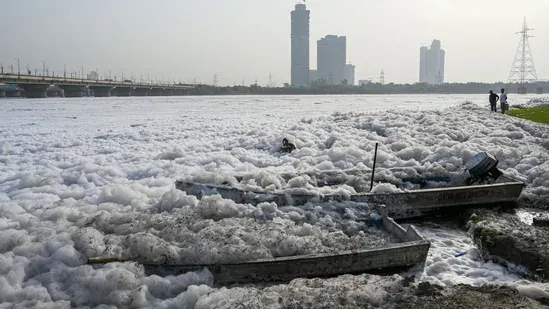
The Delhi Jal Board's recent assessment reveals that 22 main drains contribute 76% more wastewater to the Yamuna River than previously estimated, increasing from 750.4 mgd in 2025 to 1324.4 mgd in 2026. Major drains like Najafgarh discharge volumes exceeding the combined capacity of Delhi's sewage treatment plants. Despite ongoing infrastructure projects, many areas remain unconnected to sewer networks. Experts emphasize that restoring the Yamuna requires both upgrading sewage systems and ensuring adequate water flow through inter-state water-sharing agreements.
First-hand measurement across 2 sources
We measured how 2 outlets covered this story. Coverage leans balanced overall (Left 30%, Centre 65%, Right 5%). Overall sentiment is neutral (38/100). Lens Score 39/100 — moderate-to-low public interest.
Outlets analysed (first-hand measurement by TBN's Bias Engine):
- hindustantimes— balanced framing, neutral sentiment
- hindustantimes— balanced framing, neutral sentiment
AI Analysis
The articles primarily present government data and expert opinions without partisan framing. They include perspectives on administrative challenges and inter-state water-sharing issues involving Delhi, Haryana, and Uttar Pradesh. The coverage reflects concerns about infrastructure shortcomings and environmental management, representing both official assessments and calls for policy cooperation without favoring any political party.
The overall tone is critical yet constructive, highlighting significant pollution challenges and infrastructure gaps while advocating for practical solutions. The sentiment balances concern over environmental degradation with recognition of ongoing efforts and the need for collaborative action, resulting in a measured and solution-oriented narrative.
How 2 sources covered this story
Each source's own headline, political lean, and sentiment — so you can see framing differences at a glance.