Long-Term Efforts Reduce Invasive Plant Populations in U.S. National Parks
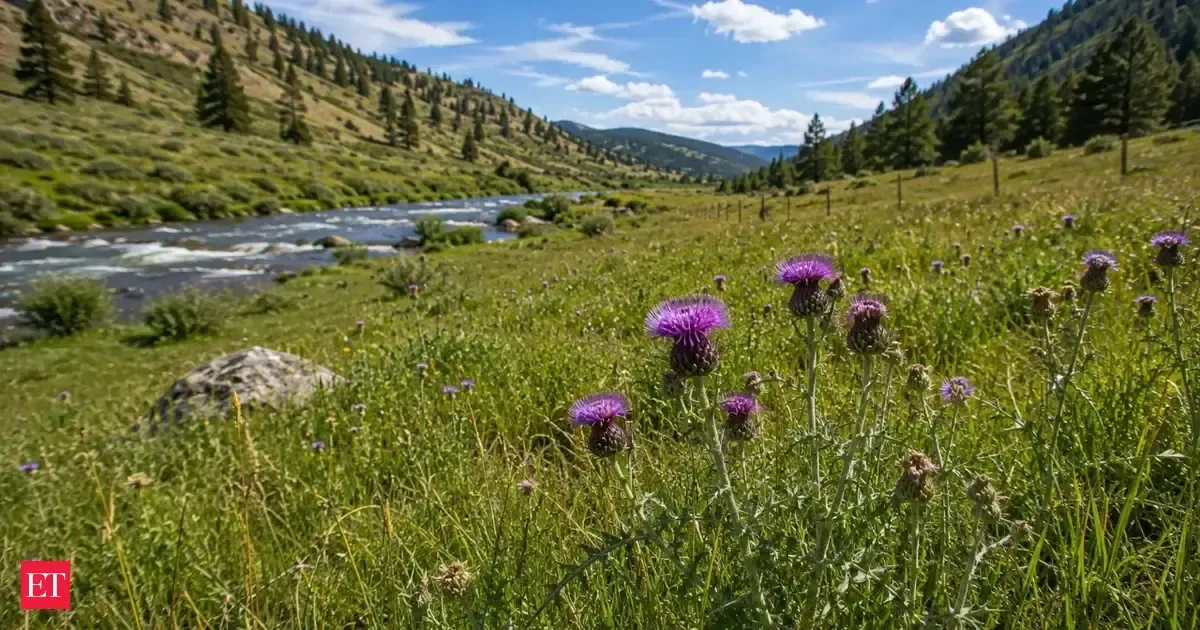
Long-term monitoring and treatment efforts have significantly reduced invasive plant populations in U.S. national parks. In California, early detection of Japanese knotweed along Lagunitas Creek in 2015 led to a 93% reduction by 2017 on National Park Service land. Similarly, Montana's Big Hole National Battlefield saw spotted knapweed populations drop to 8% of their 2012 peak after sustained control efforts since 2009. These cases highlight the importance of early detection, cooperation among agencies, and ongoing management to protect native habitats and cultural resources.
First-hand measurement across 2 sources
We measured how 2 outlets covered this story. No outlet gave this story a measurable political slant — there is no left–right reading to report. Overall sentiment is positive (72/100). Lens Score 46/100.
Outlets measured: economictimes, economictimes. See how each one headlined and framed the same story in the source comparison below.
AI Analysis
Sentiment was consistent across outlets (68–75/100), indicating broadly factual reporting rather than editorialising.
Coverage timeline
economictimes broke this story on 31 Aug, 04:15 pm. Other outlets followed.