Skip to content
Get the Balanced News app for a better experience!
The Balanced News Logo
Analytics
The Balanced News Logo

Stay Balanced, Stay Informed

Menu
  • Browse News
  • Underreported Stories
  • Curated Feeds
  • Insights
  • Analytics
  • Our Writers
  • About Us
  • Download App
Learn
  • How It Works
  • Bias Detection
  • Lens Score
  • Source Bias Checker
  • Accountability
  • Custom Feeds
Newsroom
  • Writers & Analysts
  • About TBN
  • Editorial Standards
  • Corrections Policy
  • Our Partners
  • Insights
Socials
  • Youtube
  • Instagram
  • X
  • Facebook
News Categories
  • Trending
  • Politics
  • Sports
  • Business
  • Tech
  • Entertainment
  • Health
  • Science
  • Crime
  • Lifestyle
  • National
  • International
  • Good News
  • Crypto

Get Our App

Available for iOS and Android


LensFeedsInsightsAnalyticsTrendingGood NewsSportsPoliticsBusinessCrimeTechEntertainmentHealthNationalInternational

© 2026 The Balanced News. All rights reserved.

About UsEditorial StandardsCorrectionsHelp & SupportPrivacy PolicyTerms & Conditions
Study Finds Climate Zones in Maharashtra Shift Toward Hotter Interior and Wetter Coast
Categories

Categories

Related Coverage

Select a news story to see related coverage from other media outlets.

Related Coverage

Select a news story to see related coverage from other media outlets.

  1. Home
  2. /
  3. Social

Study Finds Climate Zones in Maharashtra Shift Toward Hotter Interior and Wetter Coast

Analysed 23 Oct 2026·2 sources analysed·Marathwada, India·Social
Study Finds Climate Zones in Maharashtra Shift Toward Hotter Interior and Wetter CoastPreviousNext

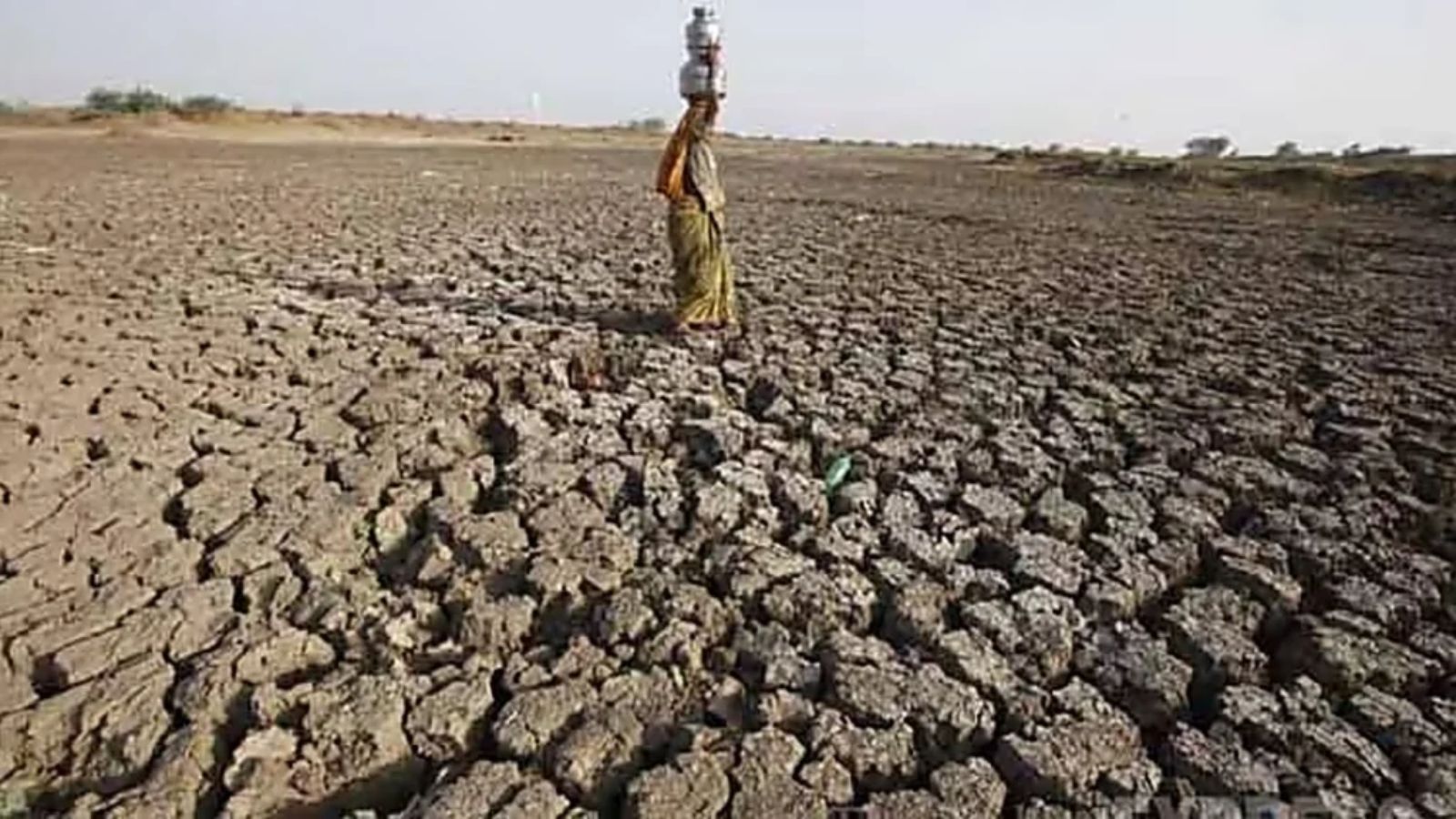
A study by the India Meteorological Department and the Indian Institute of Tropical Meteorology found that Maharashtra's Marathwada and west Vidarbha regions have shifted from a tropical savannah to a hotter, drier semi-arid climate zone over the past 30 to 70 years, mainly due to rising temperatures. Meanwhile, the tropical monsoon zone, characterized by heavy seasonal rainfall, has expanded along the Konkan coast, Goa, coastal Karnataka, and Kerala. These changes highlight contrasting climate trends within Maharashtra and have implications for regional water and agricultural planning.

Sentiment
48%
TBN's observations

First-hand measurement across 2 sources

We measured how 2 outlets covered this story. No outlet gave this story a measurable political slant — there is no left–right reading to report. Overall sentiment is neutral (48/100). Lens Score 49/100.

Outlets measured: indianexpress, deccanherald. See how each one headlined and framed the same story in the source comparison below.

AI analysis of 2 sources · Published under editorial oversight by The Balanced News
Analysed 23 Oct 2026· How this analysis is produced· Editorial standards· Corrections

AI Analysis

Sentiment — Neutral (48/100)

Sentiment was consistent across outlets (48–48/100), indicating broadly factual reporting rather than editorialising.

Coverage timeline

deccanherald broke this story on 23 Oct, 10:50 am. Other outlets followed.

23 Oct, 10:50 am2 sources · 19 min23 Oct, 11:09 am
AI analysis by the TBN Bias Engine · beat methodology byAniket Awate· Culture & Digital Media Writer· editorial standards byOjas Kale
← Previous
Failure to Delete Juvenile Crime Records Impedes Rehabilitation and Employment
Next →
India Hosts Leadership Conclave and Author Development Program in October 2026
1
deccanherald23 Oct, 10:50 am
Marathwada, west Vidarbha have turned drier, Konkan coast wetter: IMD study
  • 2
    indianexpress23 Oct, 11:09 am
    India's climate zones shift: Marathwada turns hotter in 70 years; Konkan coast wetter
  • Who's involved

    Institutions and figures named across source coverage.

    Government
    India Meteorological Department

    Story context

    Category
    Social
    Location
    Marathwada, India
    Sources analysed
    2
    Last analysed
    23 Oct 2026
    Key entities
    KonkanIndia Meteorological DepartmentMarathwadaVidarbhaMaharashtraIndiaGoaKeralaKanaraIndian Institute of Tropical MeteorologyTropical savanna climateKöppen climate classification