Recent Films Reflect Diverse Perspectives on India-Pakistan Relations and Partition Legacy
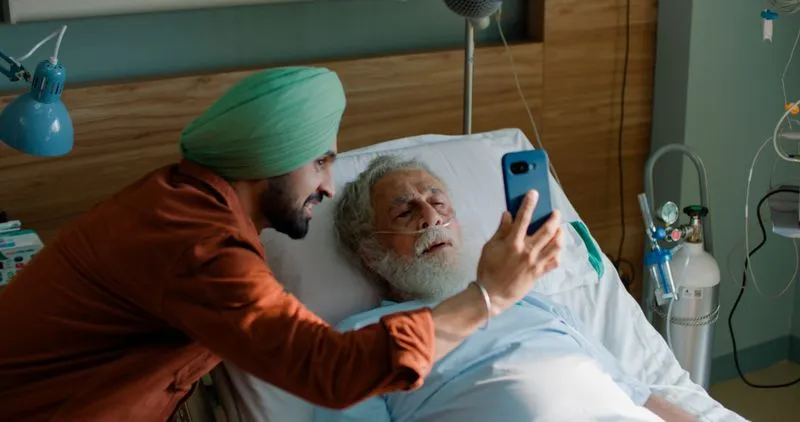
Two recent films, 'Main Vaapas Aaunga' and 'Dhurandhar', reflect ongoing Indian engagement with the legacy of Partition and relations with Pakistan. 'Main Vaapas Aaunga' explores themes of reconciliation and personal histories tied to Partition, drawing significant audience interest. Meanwhile, 'Dhurandhar' portrays a more confrontational perspective amid contemporary tensions. Both films highlight enduring emotional and political complexities between India and Pakistan, resonating differently with audiences and critics.
First-hand measurement across 2 sources
We measured how 2 outlets covered this story. Coverage leans balanced overall (Left 20%, Centre 72%, Right 8%). Overall sentiment is neutral (50/100). Lens Score 24/100 — low public interest.
Outlets analysed (first-hand measurement by TBN's Bias Engine):
- thetribune— balanced framing, neutral sentiment
- thetribune— balanced framing, neutral sentiment
AI Analysis
The articles present multiple viewpoints on India-Pakistan relations, including themes of reconciliation and hostility. One film is framed as exploring forgiveness, while the other emphasizes conflict, reflecting differing political and cultural narratives. The coverage includes historical context and contemporary tensions without endorsing a particular stance, representing a balanced range of perspectives.
The tone across the articles is mixed, combining reflective and critical elements. While there is appreciation for the artistic exploration of Partition's impact and India-Pakistan dynamics, there is also acknowledgment of ongoing conflicts and audience reactions. The sentiment balances nostalgia, critique, and recognition of complex emotions tied to the subject matter.
How 2 sources covered this story
Each source's own headline, political lean, and sentiment — so you can see framing differences at a glance.