Skip to content
Get the Balanced News app for a better experience!
The Balanced News Logo
Analytics
The Balanced News Logo

Stay Balanced, Stay Informed

Menu
  • Browse News
  • Underreported Stories
  • Curated Feeds
  • Insights
  • Analytics
  • Our Writers
  • About Us
  • Download App
Learn
  • How It Works
  • Bias Detection
  • Lens Score
  • Source Bias Checker
  • Accountability
  • Custom Feeds
Newsroom
  • Writers & Analysts
  • About TBN
  • Editorial Standards
  • Corrections Policy
  • Our Partners
  • Insights
Socials
  • Youtube
  • Instagram
  • X
  • Facebook
News Categories
  • Trending
  • Politics
  • Sports
  • Business
  • Tech
  • Entertainment
  • Health
  • Science
  • Crime
  • Lifestyle
  • National
  • International
  • Good News
  • Crypto

Get Our App

Available for iOS and Android


LensFeedsInsightsAnalyticsTrendingGood NewsSportsPoliticsBusinessCrimeTechEntertainmentHealthNationalInternational

© 2026 The Balanced News. All rights reserved.

About UsEditorial StandardsCorrectionsHelp & SupportPrivacy PolicyTerms & Conditions
Psychology Explains Reasons Behind Impolite Speech and Reluctance to Admit Mistakes
Categories

Categories

Related Coverage

Select a news story to see related coverage from other media outlets.

Related Coverage

Select a news story to see related coverage from other media outlets.

  1. Home
  2. /
  3. Social

Psychology Explains Reasons Behind Impolite Speech and Reluctance to Admit Mistakes

Analysed 28 Jul 2026·2 sources analysed·Social
Psychology Explains Reasons Behind Impolite Speech and Reluctance to Admit MistakesPreviousNext

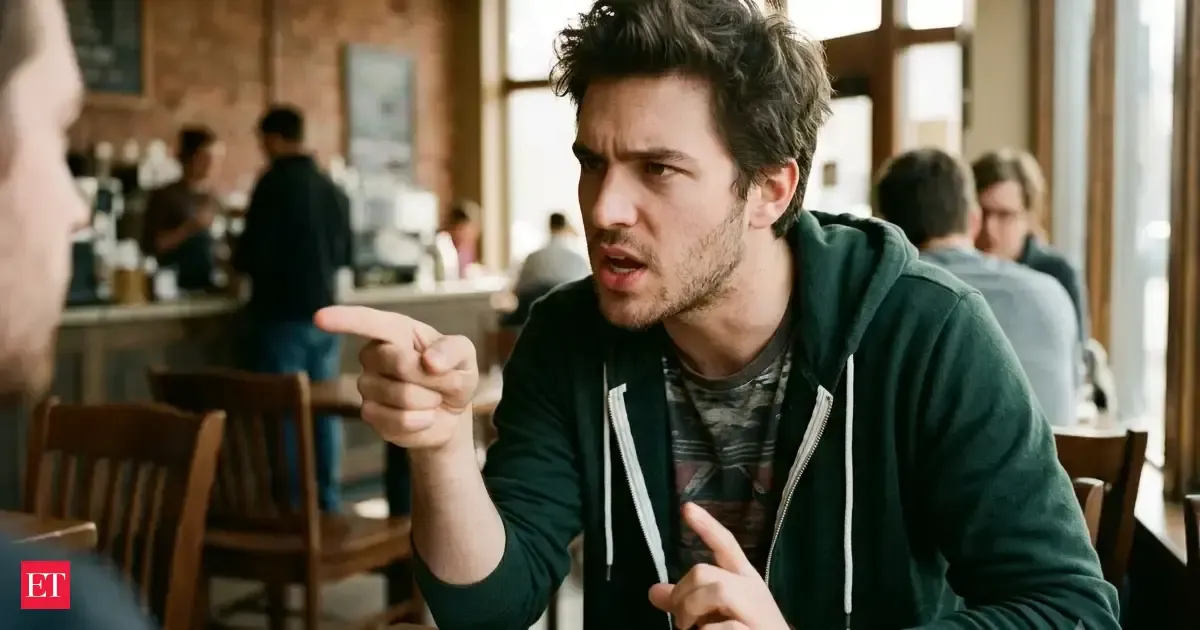
Psychology explains that behaviors like speaking impolitely or refusing to accept mistakes are often influenced by complex factors such as stress, emotions, personality, past experiences, and self-protection mechanisms. These actions are not always intentional disrespect or stubbornness but can stem from fear, shame, or learned habits. Understanding these psychological reasons can improve communication, reduce conflicts, and foster healthier relationships by promoting awareness and empathy rather than judgment.

Sentiment
55%
TBN's observations

First-hand measurement across 2 sources

We measured how 2 outlets covered this story. No outlet gave this story a measurable political slant — there is no left–right reading to report. Overall sentiment is neutral (55/100). Lens Score 27/100.

Outlets measured: economictimes, economictimes. See how each one headlined and framed the same story in the source comparison below.

AI analysis of 2 sources · Published under editorial oversight by The Balanced News
Analysed 28 Jul 2026· How this analysis is produced· Editorial standards· Corrections

AI Analysis

Sentiment — Neutral (55/100)

Sentiment was consistent across outlets (55–55/100), indicating broadly factual reporting rather than editorialising.

Coverage timeline

economictimes broke this story on 27 Jul, 06:09 pm. Other outlets followed.

27 Jul, 06:09 pm2 sources · 21 h28 Jul, 02:40 pm
AI analysis by the TBN Bias Engine · beat methodology byAniket Awate· Culture & Digital Media Writer· editorial standards byOjas Kale
← Previous
Chennai Airport Faces Entry Gate Delays Causing Long Queues at International Terminal
Next →
Bengaluru Entrepreneur Observes Widespread Use of Short-Form Videos During Morning Commute
1
economictimes27 Jul, 06:09 pm
Psychology says people who don't talk politely to others aren't always disrespectful: What this behavior can mean?
  • 2
    economictimes28 Jul, 02:40 pm
    Psychology says people who are never ready to accept their mistakes aren't always being stubborn: What this behavior may reveal and the psychology behind it
  • Story context

    Category
    Social
    Sources analysed
    2
    Last analysed
    28 Jul 2026
    Key entities
    PsychologyPsychologistDecision-makingSelf-awarenessCommunicationSocial learning theoryHuman behaviorFacial expressionAlbert BanduraEmotional self-regulationSelf-controlEmotional intelligence