Skip to content
Get the Balanced News app for a better experience!
The Balanced News Logo
Analytics
The Balanced News Logo

Stay Balanced, Stay Informed

Menu
  • Browse News
  • Underreported Stories
  • Curated Feeds
  • Insights
  • Analytics
  • Our Writers
  • About Us
  • Download App
Learn
  • How It Works
  • Bias Detection
  • Lens Score
  • Source Bias Checker
  • Accountability
  • Custom Feeds
Newsroom
  • Writers & Analysts
  • About TBN
  • Editorial Standards
  • Corrections Policy
  • Our Partners
  • Insights
Socials
  • Youtube
  • Instagram
  • X
  • Facebook
News Categories
  • Trending
  • Politics
  • Sports
  • Business
  • Tech
  • Entertainment
  • Health
  • Science
  • Crime
  • Lifestyle
  • National
  • International
  • Good News
  • Crypto

Get Our App

Available for iOS and Android


LensFeedsInsightsAnalyticsTrendingGood NewsSportsPoliticsBusinessCrimeTechEntertainmentHealthNationalInternational

© 2026 The Balanced News. All rights reserved.

About UsEditorial StandardsCorrectionsHelp & SupportPrivacy PolicyTerms & Conditions
Experts Warn of Potentially Strong 2026-27 El Niño and Its Global Impacts
Categories

Categories

Related Coverage

Select a news story to see related coverage from other media outlets.

Related Coverage

Select a news story to see related coverage from other media outlets.

  1. Home
  2. /
  3. Social

Experts Warn of Potentially Strong 2026-27 El Niño and Its Global Impacts

Analysed 30 Sept 2026·2 sources analysed·India·Social
Experts Warn of Potentially Strong 2026-27 El Niño and Its Global ImpactsPreviousNext

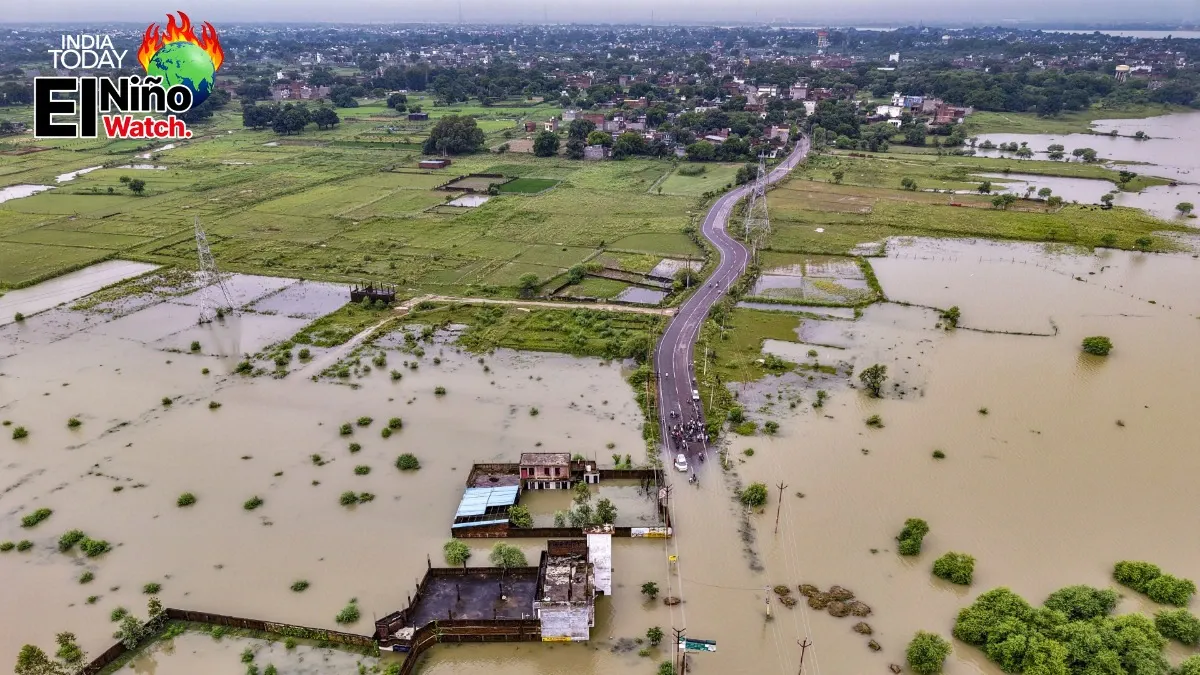
Experts warn that the 2026-27 El Niño could become one of the strongest on record, with sea surface temperatures in the Pacific Ocean rising significantly. This event, occurring amid global warming, may cause extreme heat, droughts, floods, and food shortages worldwide. India and several other countries face risks including disrupted monsoons, increased heat-related deaths, and economic impacts. The World Meteorological Organization and other agencies emphasize the need for preparedness given the potential severity of this 'Super El Niño.'

Sentiment
35%
TBN's observations

First-hand measurement across 2 sources

We measured how 2 outlets covered this story. No outlet gave this story a measurable political slant — there is no left–right reading to report. Overall sentiment is negative (35/100). Lens Score 38/100.

Outlets measured: indiatoday, thetelegraph. See how each one headlined and framed the same story in the source comparison below.

AI analysis of 2 sources · Published under editorial oversight by The Balanced News
Analysed 30 Sept 2026· How this analysis is produced· Editorial standards· Corrections

AI Analysis

Sentiment — Negative (35/100)

Sentiment was consistent across outlets (32–38/100), indicating broadly factual reporting rather than editorialising.

Coverage timeline

thetelegraph broke this story on 29 Sept, 03:19 am. Other outlets followed.

29 Sept, 03:19 am2 sources · 23 h30 Sept, 02:33 am
  1. 1
AI analysis by the TBN Bias Engine · beat methodology byAniket Awate· Culture & Digital Media Writer· editorial standards byOjas Kale
← Previous
Delhi and Lucknow Report Increased Dengue and Malaria Cases Amid Post-Monsoon Season
Next →
Private Silicon Valley Spreadsheet Names Over 100 Men in Sexual Misconduct Allegations
thetelegraph29 Sept, 03:19 am
Be ready: Editorial on the need to brace up for Super El Niño impact
  • 2
    indiatoday30 Sept, 02:33 am
    Season of extremes: Why India and the world must take the 2026 El Nino seriously
  • Who's involved

    Institutions and figures named across source coverage.

    Government
    Central Government of IndiaUnited States National Oceanic and Atmospheric AdministrationIndia Meteorological DepartmentWorld Meteorological Organisation

    Story context

    Category
    Social
    Location
    India
    Sources analysed
    2
    Last analysed
    30 Sept 2026
    Key entities
    World Meteorological OrganizationEl NiñoPacific OceanIndiaSea surface temperatureDroughtMonsoonAtmospheric circulationEquatorCelsiusEl Niño–Southern OscillationNational Oceanic and Atmospheric Administration