Skip to content
Get the Balanced News app for a better experience!
The Balanced News Logo
Analytics
The Balanced News Logo

Stay Balanced, Stay Informed

Menu
  • Browse News
  • Underreported Stories
  • Curated Feeds
  • Insights
  • Analytics
  • Our Writers
  • About Us
  • Download App
Learn
  • How It Works
  • Bias Detection
  • Lens Score
  • Source Bias Checker
  • Accountability
  • Custom Feeds
Newsroom
  • Writers & Analysts
  • About TBN
  • Editorial Standards
  • Corrections Policy
  • Our Partners
  • Insights
Socials
  • Youtube
  • Instagram
  • X
  • Facebook
News Categories
  • Trending
  • Politics
  • Sports
  • Business
  • Tech
  • Entertainment
  • Health
  • Science
  • Crime
  • Lifestyle
  • National
  • International
  • Good News
  • Crypto

Get Our App

Available for iOS and Android


LensFeedsInsightsAnalyticsTrendingGood NewsSportsPoliticsBusinessCrimeTechEntertainmentHealthNationalInternational

© 2026 The Balanced News. All rights reserved.

About UsEditorial StandardsCorrectionsHelp & SupportPrivacy PolicyTerms & Conditions
Study Finds Northwest India as Heat Epicenter Amid Rising Climate Extremes
Categories

Categories

Related Coverage

Select a news story to see related coverage from other media outlets.

Related Coverage

Select a news story to see related coverage from other media outlets.

  1. Home
  2. /
  3. Social

Study Finds Northwest India as Heat Epicenter Amid Rising Climate Extremes

Analysed 22 Sept 2026·2 sources analysed·Haryana, India·Social
Study Finds Northwest India as Heat Epicenter Amid Rising Climate ExtremesPreviousNext

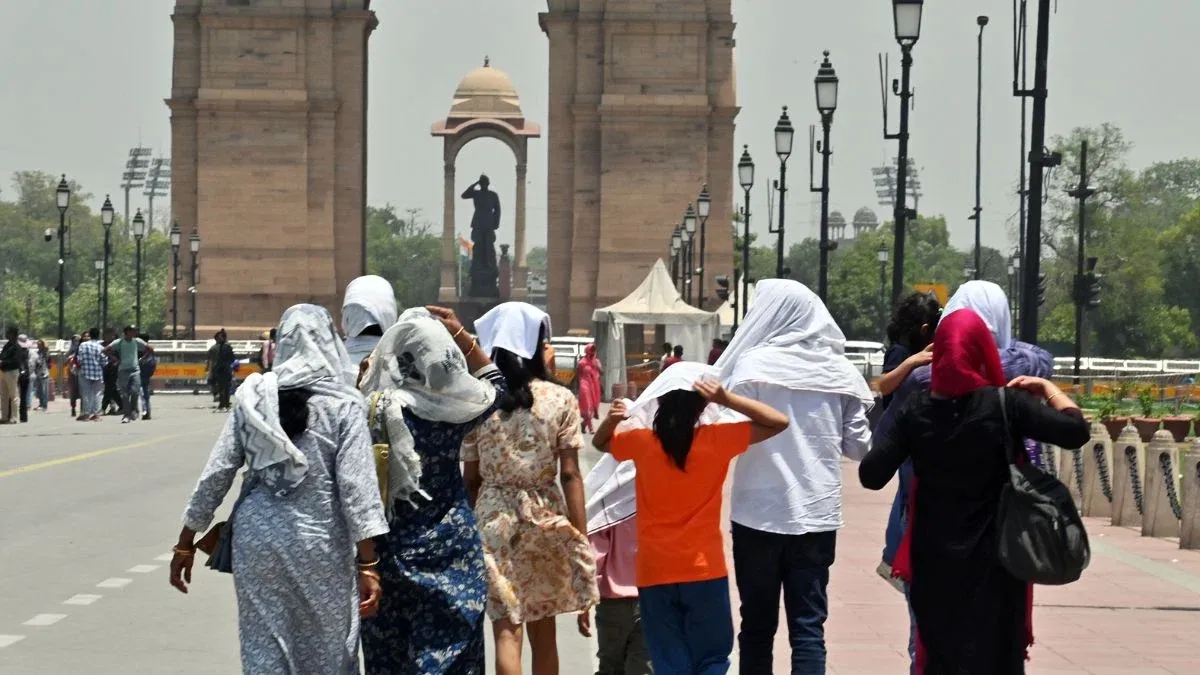
A 52-year study by the India Meteorological Department and National Centre for Medium Range Weather Forecasting reveals that northwest India, including Punjab and Haryana, is becoming the country's heat epicenter with rising daytime temperatures, humid heat, and heatwave severity. This intensification is linked to arid conditions, drying soils, and land heating. Meanwhile, south India faces increasing droughts, and northeast India experiences unstable monsoon patterns with heavy downpours and dry spells, highlighting diverse regional climate impacts.

Sentiment
50%
TBN's observations

First-hand measurement across 2 sources

We measured how 2 outlets covered this story. No outlet gave this story a measurable political slant — there is no left–right reading to report. Overall sentiment is neutral (50/100). Lens Score 53/100.

Outlets measured: theprint, hindustantimes. See how each one headlined and framed the same story in the source comparison below.

AI analysis of 2 sources · Published under editorial oversight by The Balanced News
Analysed 22 Sept 2026· How this analysis is produced· Editorial standards· Corrections

AI Analysis

Sentiment — Neutral (50/100)

Sentiment was consistent across outlets (48–52/100), indicating broadly factual reporting rather than editorialising.

Coverage timeline

hindustantimes broke this story on 22 Sept, 02:34 am. Other outlets followed.

22 Sept, 02:34 am2 sources · 20 h22 Sept, 10:11 pm
  1. 1
AI analysis by the TBN Bias Engine · beat methodology byAniket Awate· Culture & Digital Media Writer· editorial standards byOjas Kale
← Previous
Elephant Incidents in India Highlight Human-Wildlife Conflict and Legal Issues
Next →
MrBeast Invests $10 Million in Ghana Village, Addresses Local Philanthropy Criticism
hindustantimes22 Sept, 02:34 am
Punjab, Haryana face sharp rise in heatwave severity: Study
  • 2
    theprint22 Sept, 10:11 pm
    India's heat hotspots are spreading. Northwest is worst-hit, IMD study finds
  • Who's involved

    Institutions and figures named across source coverage.

    Government
    National Centre for Medium Range Weather ForecastingMinistry of Earth SciencesIndia Meteorological Department

    Story context

    Category
    Social
    Location
    Haryana, India
    Sources analysed
    2
    Last analysed
    22 Sept 2026
    Key entities
    India Meteorological DepartmentDroughtIndiaMinistry of Earth SciencesTemperatureHeat waveAridSoilWater resourcesAgricultureOdishaNortheast India