Skip to content
Get the Balanced News app for a better experience!
The Balanced News Logo
Analytics
The Balanced News Logo

Stay Balanced, Stay Informed

Menu
  • Browse News
  • Underreported Stories
  • Curated Feeds
  • Insights
  • Analytics
  • Our Writers
  • About Us
  • Download App
Learn
  • How It Works
  • Bias Detection
  • Lens Score
  • Source Bias Checker
  • Accountability
  • Custom Feeds
Newsroom
  • Writers & Analysts
  • About TBN
  • Editorial Standards
  • Corrections Policy
  • Our Partners
  • Insights
Socials
  • Youtube
  • Instagram
  • X
  • Facebook
News Categories
  • Trending
  • Politics
  • Sports
  • Business
  • Tech
  • Entertainment
  • Health
  • Science
  • Crime
  • Lifestyle
  • National
  • International
  • Good News
  • Crypto

Get Our App

Available for iOS and Android


LensFeedsInsightsAnalyticsTrendingGood NewsSportsPoliticsBusinessCrimeTechEntertainmentHealthNationalInternational

© 2026 The Balanced News. All rights reserved.

About UsEditorial StandardsCorrectionsHelp & SupportPrivacy PolicyTerms & Conditions
Psychological Factors Behind Frequent Lane Changes and Slow Driving in Fast Lanes
Categories

Categories

Related Coverage

Select a news story to see related coverage from other media outlets.

Related Coverage

Select a news story to see related coverage from other media outlets.

  1. Home
  2. /
  3. Social

Psychological Factors Behind Frequent Lane Changes and Slow Driving in Fast Lanes

Analysed 8 Aug 2026·2 sources analysed·Social
Psychological Factors Behind Frequent Lane Changes and Slow Driving in Fast LanesPreviousNext

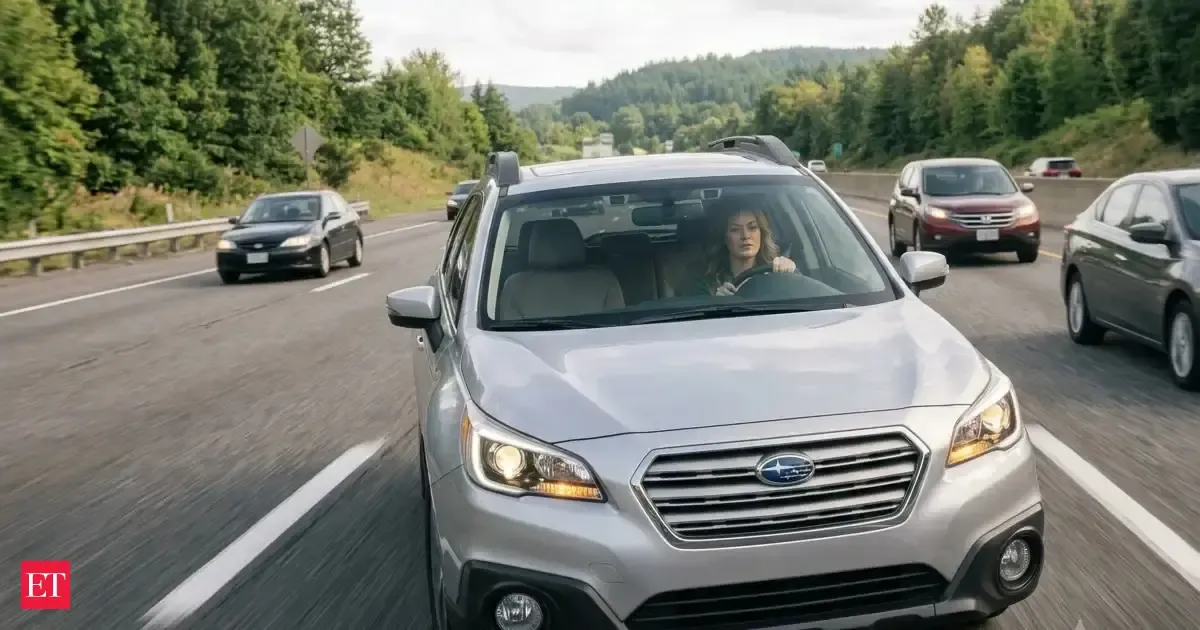
Psychological research explains that frequent lane changing and slow driving in fast lanes are not always about rushing or obliviousness. Drivers who change lanes often may be responding to stress, impulsivity, or a desire for control, while those driving slowly in fast lanes might be influenced by anxiety, habit, or adherence to rules. These behaviors affect traffic flow and stem from various psychological factors such as illusion of control, moral licensing, and automatic thinking.

Sentiment
52%
TBN's observations

First-hand measurement across 2 sources

We measured how 2 outlets covered this story. No outlet gave this story a measurable political slant — there is no left–right reading to report. Overall sentiment is neutral (52/100). Lens Score 29/100.

Outlets measured: economictimes, economictimes. See how each one headlined and framed the same story in the source comparison below.

AI analysis of 2 sources · Published under editorial oversight by The Balanced News
Analysed 8 Aug 2026· How this analysis is produced· Editorial standards· Corrections

AI Analysis

Sentiment — Neutral (52/100)

Sentiment was consistent across outlets (52–52/100), indicating broadly factual reporting rather than editorialising.

Coverage timeline

economictimes broke this story on 7 Aug, 08:07 pm. Other outlets followed.

7 Aug, 08:07 pm2 sources · 18 h8 Aug, 02:22 pm
AI analysis by the TBN Bias Engine · beat methodology byAniket Awate· Culture & Digital Media Writer· editorial standards byOjas Kale
← Previous
Chicago Ducky Derby Raises Funds for Special Olympics Illinois with Over 90,000 Ducks
Next →
Over 13 Lakh Beneficiaries to Receive Deworming Tablets in Three Districts on August 10
1
economictimes7 Aug, 08:07 pm
Psychology says people who drive slowly in fast lanes, highways or expressways aren't always oblivious to other drivers: What this behavior reveals?
  • 2
    economictimes8 Aug, 02:22 pm
    Psychology says people who keep changing lanes while driving aren't always in a rush: What this behaviour may mean?
  • Story context

    Category
    Social
    Sources analysed
    2
    Last analysed
    8 Aug 2026
    Key entities
    TrafficPsychologyControlled-access highwaySelf-awarenessImpulsivityIllusion of controlLocus of controlDeindividuationCopingAnonymityEmotional self-regulationPatience