Bonded Labour Persists in Punjab Despite Legal Abolition Since 1976
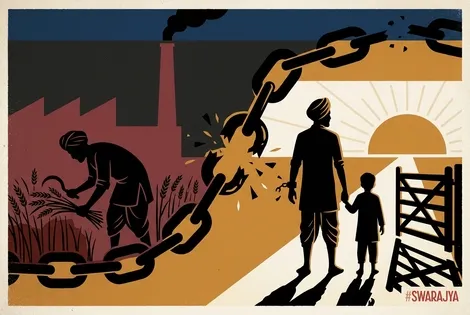
Despite the abolition of bonded labour by Parliament in 1976, cases persist in Punjab's villages. In a recent Moga brick kiln incident, district officials reported no bonded labour, but the National Human Rights Commission challenged this, citing missing employment records. Under law, employers must prove lawful employment, yet officials asked workers to prove bondage. Without official recognition, victims miss criminal justice and rehabilitation benefits, often leading to repeated exploitation, as illustrated by a boy named Ankush who returned to bonded labour after release.
First-hand measurement across 2 sources
We measured how 2 outlets covered this story. Coverage leans left-leaning overall (Left 70%, Centre 25%, Right 5%). Overall sentiment is negative (25/100). Lens Score 64/100 — moderate public interest.
Outlets analysed (first-hand measurement by TBN's Bias Engine):
- swarajyamag— left-leaning framing, negative sentiment
- swarajyamag— left-leaning framing, negative sentiment
AI Analysis
The articles primarily present a human rights and legal perspective, highlighting government and judicial frameworks addressing bonded labour. They focus on administrative actions and legal standards without partisan framing. The coverage critiques local enforcement gaps but does not align with specific political parties, instead emphasizing systemic issues and institutional responsibilities.
The tone across the articles is critical and concerned, reflecting the ongoing challenges in eradicating bonded labour despite legal prohibitions. The sentiment underscores frustration with administrative failures and the plight of affected workers, conveying a serious and somber mood without sensationalism or overt emotional language.
How 2 sources covered this story
Each source's own headline, political lean, and sentiment — so you can see framing differences at a glance.