Palestinian Health System Faces Crisis Amid Medicine Shortages and Financial Constraints
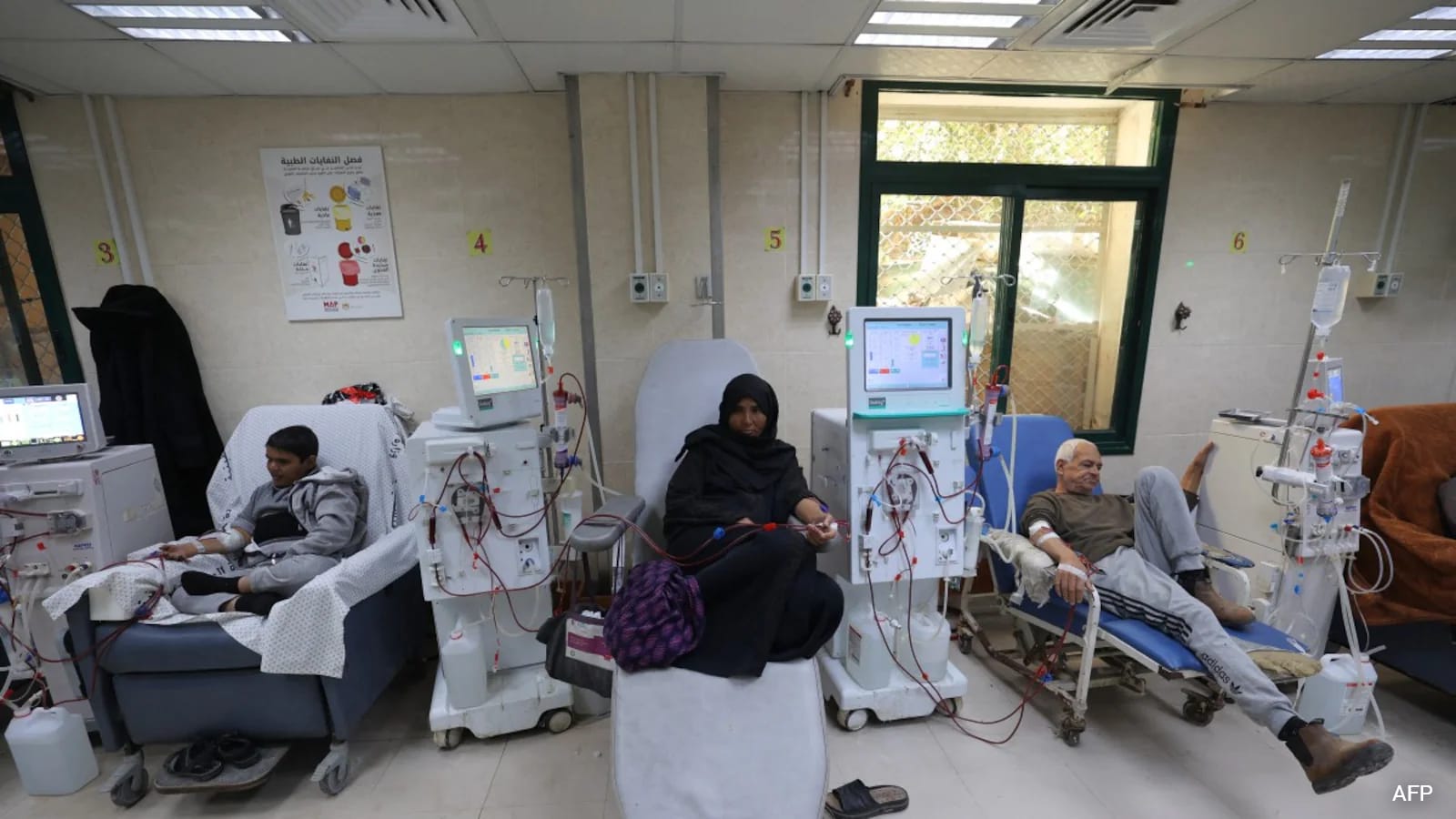
The Palestinian Ministry of Health and the Palestinian Embassy in New Delhi have warned that the healthcare system in the occupied Palestinian territories is nearing collapse due to severe shortages of essential medicines, including cancer and kidney dialysis treatments, and financial constraints. They report that 180 of 520 essential medicines are out of stock, with over 11,000 surgeries postponed since early 2026. Palestinian authorities attribute the crisis to Israel's withholding of clearance revenues, worsening economic conditions, and rising poverty, placing thousands of patients at risk.
First-hand measurement across 2 sources
We measured how 2 outlets covered this story. Coverage leans left-leaning overall (Left 70%, Centre 28%, Right 2%). Overall sentiment is negative (25/100). Lens Score 39/100 — moderate-to-low public interest.
Outlets analysed (first-hand measurement by TBN's Bias Engine):
- ndtv— left-leaning framing, negative sentiment
- thetribune— left-leaning framing, negative sentiment
AI Analysis
The articles primarily present the Palestinian perspective, highlighting claims that Israel's withholding of clearance revenues is a key factor in the healthcare crisis. They emphasize the Palestinian Ministry of Health's warnings and the embassy's statements. The coverage does not include Israeli responses or alternative viewpoints, focusing on the Palestinian authorities' framing of the situation as a humanitarian emergency linked to financial and political pressures.
The overall tone across the articles is serious and urgent, emphasizing the humanitarian risks posed by medicine shortages and financial difficulties. The sentiment is predominantly negative, reflecting concern over the deteriorating healthcare conditions and the potential impact on patients, especially those requiring cancer and dialysis treatments. There is no positive or neutral sentiment evident, as the focus is on crisis and risk.