Skip to content
Get the Balanced News app for a better experience!
The Balanced News Logo
Analytics
The Balanced News Logo

Stay Balanced, Stay Informed

Menu
  • Browse News
  • Underreported Stories
  • Curated Feeds
  • Insights
  • Analytics
  • Our Writers
  • About Us
  • Download App
Learn
  • How It Works
  • Bias Detection
  • Lens Score
  • Source Bias Checker
  • Accountability
  • Custom Feeds
Newsroom
  • Writers & Analysts
  • About TBN
  • Editorial Standards
  • Corrections Policy
  • Our Partners
  • Insights
Socials
  • Youtube
  • Instagram
  • X
  • Facebook
News Categories
  • Trending
  • Politics
  • Sports
  • Business
  • Tech
  • Entertainment
  • Health
  • Science
  • Crime
  • Lifestyle
  • National
  • International
  • Good News
  • Crypto

Get Our App

Available for iOS and Android


LensFeedsInsightsAnalyticsTrendingGood NewsSportsPoliticsBusinessCrimeTechEntertainmentHealthNationalInternational

© 2026 The Balanced News. All rights reserved.

About UsEditorial StandardsCorrectionsHelp & SupportPrivacy PolicyTerms & Conditions
Long-Term Restoration Efforts Improve Water Quality in Five U.S. Water Bodies
Categories

Categories

Related Coverage

Select a news story to see related coverage from other media outlets.

Related Coverage

Select a news story to see related coverage from other media outlets.

  1. Home
  2. /
  3. Social

Long-Term Restoration Efforts Improve Water Quality in Five U.S. Water Bodies

Analysed 29 Aug 2026·5 sources analysed·Idaho, United States·Social
Long-Term Restoration Efforts Improve Water Quality in Five U.S. Water BodiesPreviousNext

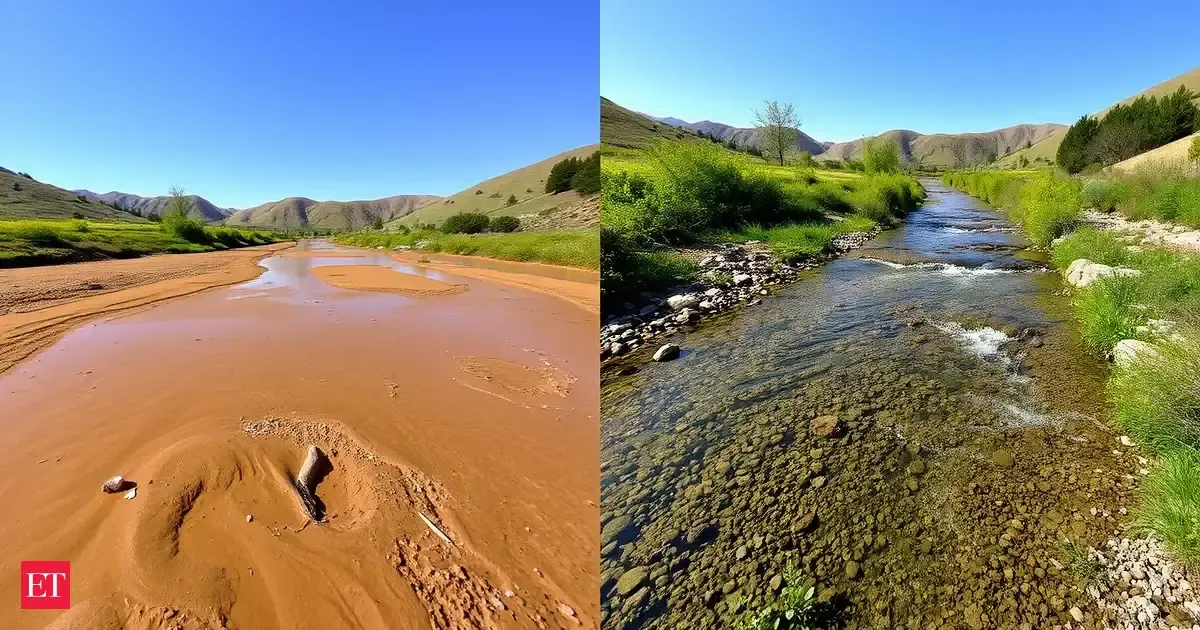
Five U.S. water bodies once impaired by pollution have shown significant recovery through long-term restoration efforts. Idaho's Rapid Creek and South Fork Palouse River improved after sediment and bacteria reductions linked to agricultural practices. New York's Tonawanda Creek and Keuka Lake saw water quality gains from farm best management practices and reduced pesticide contamination. Colorado's South Platte River benefited from chemical release settlements funding habitat restoration. These cases highlight how coordinated conservation, monitoring, and pollution control can restore aquatic ecosystems over years or decades.

Sentiment
64%
TBN's observations

First-hand measurement across 5 sources

We measured how 5 outlets covered this story. No outlet gave this story a measurable political slant — there is no left–right reading to report. Overall sentiment is positive (64/100). Lens Score 49/100.

Outlets measured: economictimes, economictimes, economictimes, economictimes, economictimes. See how each one headlined and framed the same story in the source comparison below.

AI analysis of 5 sources · Published under editorial oversight by The Balanced News
Analysed 29 Aug 2026· How this analysis is produced· Editorial standards· Corrections

AI Analysis

Sentiment — Positive (64/100)

Sentiment was consistent across outlets (57–75/100), indicating broadly factual reporting rather than editorialising.

Coverage timeline

economictimes broke this story on 28 Aug, 03:33 pm. Other outlets followed.

28 Aug, 03:33 pm5 sources · 23 h29 Aug, 02:58 pm
AI analysis by the TBN Bias Engine · beat methodology byAniket Awate· Culture & Digital Media Writer· editorial standards byOjas Kale
← Previous
Leopards Kill Three Calves, Prompt Vigilance in Mohammadpur Gurjar Village
Next →
Farmers Protest and Compensation Raised for BPCL IDPL Pipeline Project in Tamil Nadu
  1. 1
    economictimes28 Aug, 03:33 pm
    In 1998, New York listed Keuka Lake as impaired after DDT contamination. 16 years later, fish-tissue data led officials to remove the lake from the impaired waters list
  2. 2
    economictimes28 Aug, 06:01 pm
    In 2002, Idaho listed the South Fork Palouse River as bacteria-impaired after livestock grazing. 14 years later, restoration helped remove it from the 2016 impaired list
  3. 3
    economictimes28 Aug, 06:23 pm
    In 2002, Shattuck Chemical agreed to pay 1.25 million for restoration of South Platte River following years of chemical release. 10 years later, the river was restored for migratory birds and native species
  4. 4
    economictimes28 Aug, 06:53 pm
    In 1996, New York flagged Upper Tonawanda Creek as a water-supply concern. 16 years later, NYSDEC removed it from the impaired list after farm BMPs improved water quality
  5. 5
    economictimes29 Aug, 02:58 pm
    In 1994, Idaho listed Rapid Creek for sediment impairment. 18 years later, restoration improved habitat scores and Lower Rapid Creek was removed from the 2012 impaired waters list

Who's involved

Institutions and figures named across source coverage.

Government
Genesee County Soil and Water Conservation DistrictState of IdahoNew York State Department of Environmental ConservationIdaho Department of Environmental QualityState of ColoradoDepartment of the InteriorUnited States Environmental Protection AgencyU.S. Fish and Wildlife ServiceWyoming County Soil and Water Conservation District
Corporate
Shattuck Chemical Company

Story context

Category
Social
Location
Idaho, United States
Sources analysed
5
Last analysed
29 Aug 2026
Key entities
Drainage basinErosionConservation biologyAgricultureSedimentClean Water ActWater qualityWetlandSurface runoffStreamIdahoBest management practice for water pollution