Supreme Court Recognizes Pedestrian Rights Amid Implementation Challenges in India
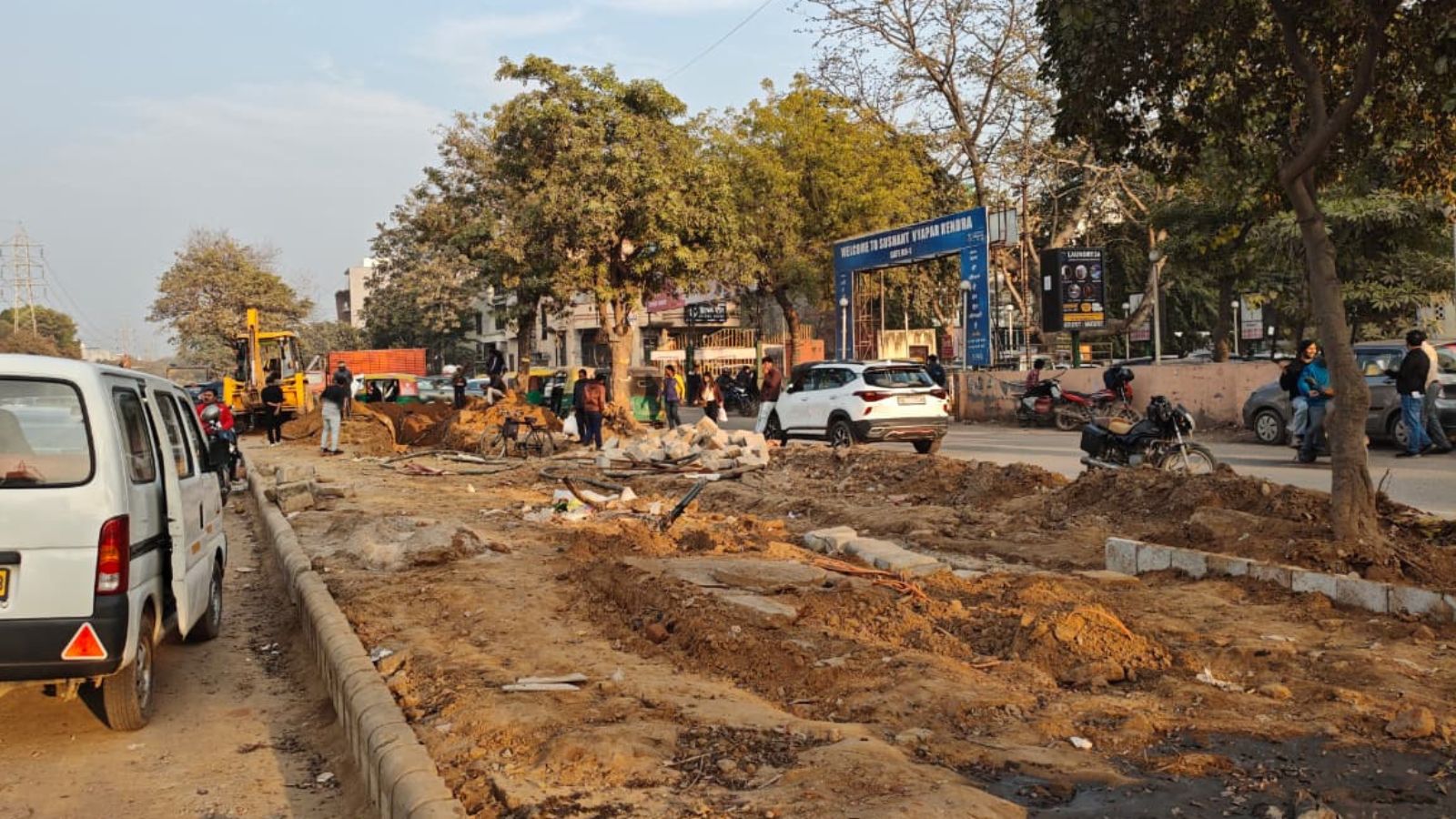
The Supreme Court of India has recognized safe pedestrian movement as a fundamental constitutional right, emphasizing the need for protected footpaths to reduce accidents. Despite this ruling, implementation challenges persist, including inadequate infrastructure and enforcement. Experts highlight the importance of civic responsibility, strict penalties for violations, and community engagement to create pedestrian-friendly environments. Cities like Chandigarh serve as examples of effective urban planning and enforcement, while awareness programs are encouraged to foster lasting commitment to pedestrian safety.
First-hand measurement across 2 sources
We measured how 2 outlets covered this story. Coverage leans balanced overall (Left 15%, Centre 80%, Right 5%). Overall sentiment is neutral (52/100). Lens Score 27/100 — low public interest.
Outlets analysed (first-hand measurement by TBN's Bias Engine):
- indianexpress— balanced framing, neutral sentiment
- thetribune— balanced framing, neutral sentiment
AI Analysis
The articles present a largely neutral perspective focused on legal and civic aspects of pedestrian safety. They highlight the Supreme Court's ruling and its implications without partisan framing. The coverage includes government responsibilities, community roles, and enforcement issues, reflecting a balanced view of institutional and societal factors without political polarization.
The overall tone is cautiously optimistic, acknowledging the Supreme Court's positive legal step while noting ongoing implementation gaps. The sentiment balances concern over pedestrian safety risks with constructive suggestions for improvement, emphasizing civic duty and successful examples, resulting in a mixed but forward-looking coverage.
How 2 sources covered this story
Each source's own headline, political lean, and sentiment — so you can see framing differences at a glance.