Skip to content
Get the Balanced News app for a better experience!
The Balanced News Logo
Analytics
The Balanced News Logo

Stay Balanced, Stay Informed

Menu
  • Browse News
  • Underreported Stories
  • Curated Feeds
  • Insights
  • Analytics
  • Our Writers
  • About Us
  • Download App
Learn
  • How It Works
  • Bias Detection
  • Lens Score
  • Source Bias Checker
  • Accountability
  • Custom Feeds
Newsroom
  • Writers & Analysts
  • About TBN
  • Editorial Standards
  • Corrections Policy
  • Our Partners
  • Insights
Socials
  • Youtube
  • Instagram
  • X
  • Facebook
News Categories
  • Trending
  • Politics
  • Sports
  • Business
  • Tech
  • Entertainment
  • Health
  • Science
  • Crime
  • Lifestyle
  • National
  • International
  • Good News
  • Crypto

Get Our App

Available for iOS and Android


LensFeedsInsightsAnalyticsTrendingGood NewsSportsPoliticsBusinessCrimeTechEntertainmentHealthNationalInternational

© 2026 The Balanced News. All rights reserved.

About UsEditorial StandardsCorrectionsHelp & SupportPrivacy PolicyTerms & Conditions
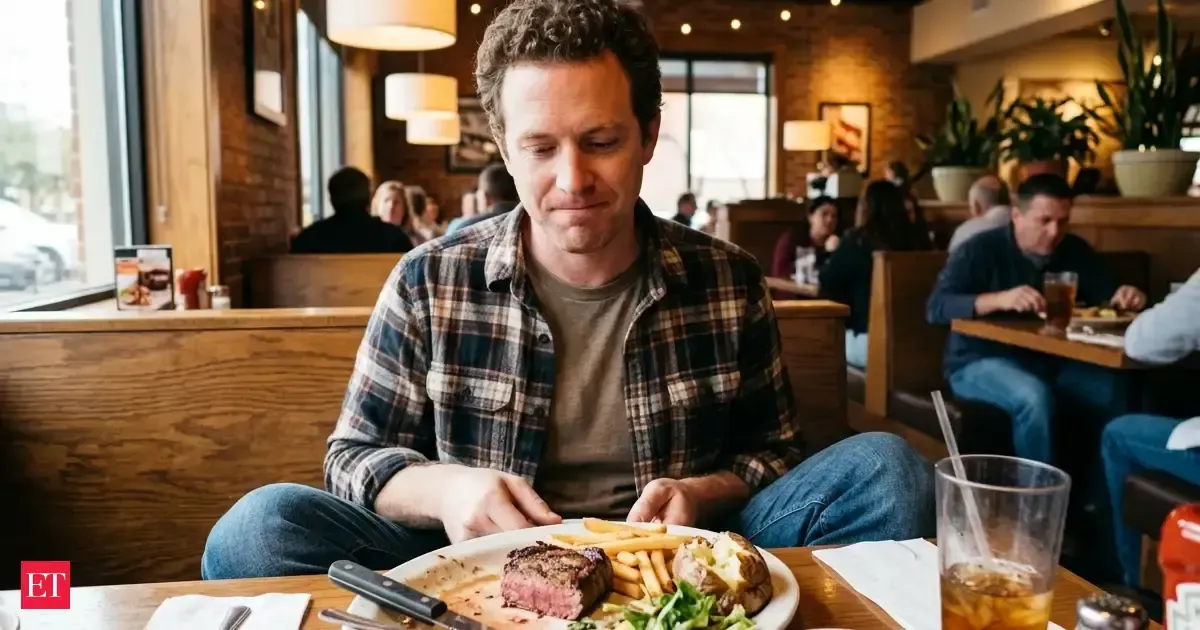
Psychology Explores Reasons Behind Food Left on Plates and Preference for Meal Variety
Categories

Categories

Related Coverage

Select a news story to see related coverage from other media outlets.

Related Coverage

Select a news story to see related coverage from other media outlets.

  1. Home
  2. /
  3. Social

Psychology Explores Reasons Behind Food Left on Plates and Preference for Meal Variety

Analysed 18 Jul 2026·2 sources analysed·Japan·Social
Psychology Explores Reasons Behind Food Left on Plates and Preference for Meal VarietyPreviousNext

Psychological research indicates that eating behaviors such as leaving food unfinished or consistently seeking different meals are influenced by various factors. Leaving food on the plate may relate to appetite regulation, cultural habits, or social contexts, rather than carelessness. Meanwhile, a preference for trying new dishes is linked to novelty-seeking traits, brain responses to rewards, and curiosity. These behaviors reflect diverse individual and cultural influences on eating patterns without a single definitive explanation.

TBN's observations

First-hand measurement across 2 sources

We measured how 2 outlets covered this story. Coverage leans balanced overall (Left 0%, Centre 100%, Right 0%). Overall sentiment is positive (70/100). Lens Score 22/100 — low public interest.

Outlets analysed (first-hand measurement by TBN's Bias Engine):

  • economictimes— balanced framing, positive sentiment
  • economictimes— balanced framing, positive sentiment
Political Bias
0%100%0%
Sentiment
70%
AI analysis of 2 sources · Published under editorial oversight by The Balanced News
Analysed 18 Jul 2026· How this analysis is produced· Editorial standards· Corrections

AI Analysis

Political bias across 2 sources
● Left 0%● Center 100%● Right 0%

The articles present psychological perspectives on eating behaviors without political framing. They focus on individual traits and cultural factors, reflecting scientific and consumer psychology viewpoints. There is no evident political bias, as the coverage centers on behavioral explanations rather than policy or ideological debates.

Sentiment — Positive (70/100)

The tone across the articles is neutral and informative, aiming to explain common eating habits through psychological research. The sentiment is neither positive nor negative but educational, providing insights into human behavior without judgment or emotional language.

How 2 sources covered this story

Each source's own headline, political lean, and sentiment — so you can see framing differences at a glance.

AI analysis by the TBN Bias Engine · beat methodology byAniket Awate· Culture & Digital Media Writer· editorial standards byOjas Kale
← Previous
Hyderabad Food Safety Task Force Uncovers Violations in Multiple Food Units
Next →
Five Amarnath Pilgrims and Driver Injured in Udhampur Road Accident
SourceTheir headlineBiasSentiment
economictimesPsychology says people who always want a different meal may be wired to seek noveltyCenterPositive
economictimesPsychology says people who never finish their food completely and leave something or the other in their plate aren't careless: What this habit may reveal?CenterPositive

Coverage timeline

economictimes broke this story on 17 Jul, 08:25 pm. Other outlets followed.

  1. 1
    economictimes17 Jul, 08:25 pm
    Psychology says people who never finish their food completely and leave something or the other in their plate aren't careless: What this habit may reveal?
  2. 2
    economictimes18 Jul, 02:18 pm
    Psychology says people who always want a different meal may be wired to seek novelty

Lens Score breakdown

22/100
Public interest0/100
Coverage gap100%

Well-covered story — coverage matches public importance.

Story context

Category
Social
Location
Japan
Sources analysed
2
Last analysed
18 Jul 2026
Key entities
PsychologyBrainAppetiteSelf-controlPsychologistDessertBreadRiceVegetableOvereatingDanceSelf-awareness