Report Finds Significant Decline in Delhi's Green Cover Amid Rising Urban Heat Stress
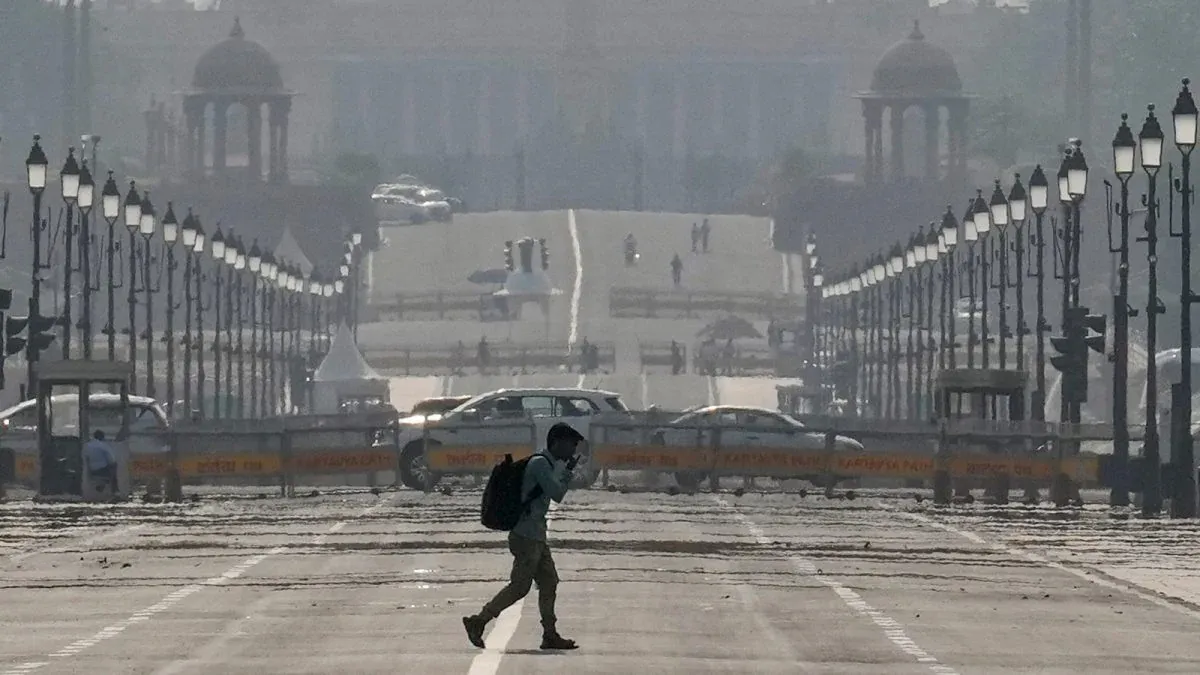
A report by the Centre for Science and Environment reveals that Delhi's green cover declined from around 25% in 2014 to 14% in 2024, while waterbodies also shrank, contributing to increased urban heat stress. Nearly 76% of the city remains persistently heat-stressed, with 98.7% experiencing heat stress at least once in the past decade. Dense urban areas and industrial zones are most affected, while greener, shaded neighborhoods show lower heat stress levels.
First-hand measurement across 2 sources
We measured how 2 outlets covered this story. Coverage leans balanced overall (Left 25%, Centre 73%, Right 2%). Overall sentiment is negative (32/100). Lens Score 28/100 — low public interest.
Outlets analysed (first-hand measurement by TBN's Bias Engine):
- news18— balanced framing, neutral sentiment
- httpswwwoutlookindiacom— balanced framing, negative sentiment
AI Analysis
The articles primarily present environmental and urban planning perspectives without explicit political framing. They focus on scientific data and urban development impacts, reflecting concerns from environmental experts and civic stakeholders. The coverage does not emphasize political accountability or policy debates, maintaining a neutral stance centered on factual reporting of environmental changes.
The overall tone is cautionary and factual, highlighting environmental degradation and its consequences without sensationalism. The reports emphasize challenges posed by urbanization and heat stress, conveying urgency but avoiding alarmist language. The sentiment is balanced, aiming to inform readers about the environmental situation and its implications for urban resilience.
How 2 sources covered this story
Each source's own headline, political lean, and sentiment — so you can see framing differences at a glance.