Stubble Burning in North India: Causes, Impacts, and Local Reduction Efforts
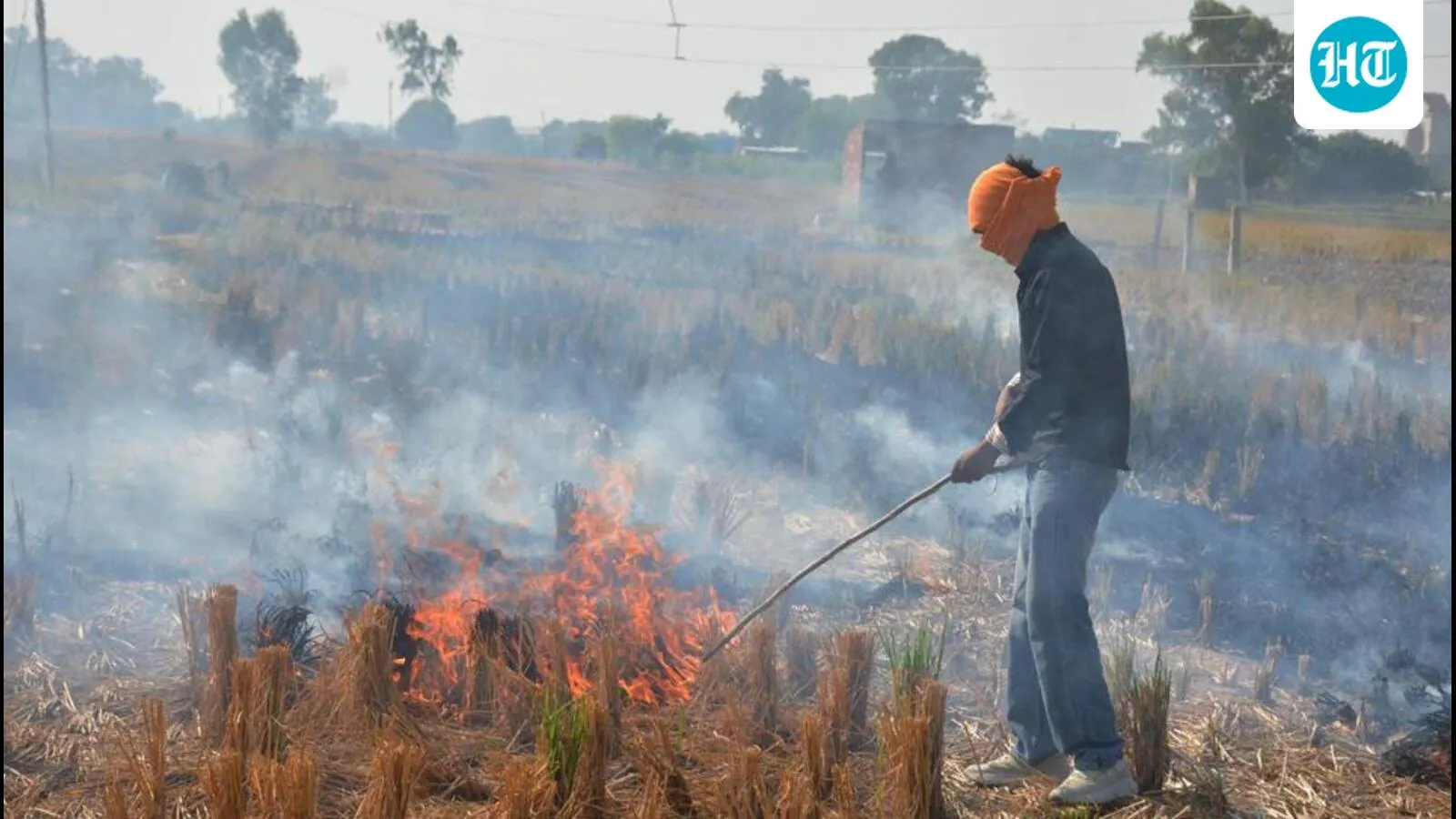
Stubble burning, the practice of setting fire to crop residue after harvest, remains common in North India due to economic pressures, narrow sowing windows, and mechanized harvesting. It contributes significantly to air pollution and soil degradation. However, in Shahjahanpur, Uttar Pradesh, collaborative efforts between local administration and farmers have reduced burning incidents by 67% since 2021 through dialogue and alternative solutions. Experts emphasize that lasting change requires stronger incentives, better residue management, and diversified cropping to address the complex causes of stubble burning.
First-hand measurement across 2 sources
We measured how 2 outlets covered this story. No outlet gave this story a measurable political slant — there is no left–right reading to report. Overall sentiment is positive (62/100). Lens Score 44/100.
Outlets measured: hindustantimes, thehindu. See how each one headlined and framed the same story in the source comparison below.
AI Analysis
Sentiment was consistent across outlets (52–72/100), indicating broadly factual reporting rather than editorialising.
Coverage timeline
thehindu broke this story on 9 Oct, 03:07 am. Other outlets followed.
- 1