Skip to content
Get the Balanced News app for a better experience!
The Balanced News Logo
Analytics
The Balanced News Logo

Stay Balanced, Stay Informed

Menu
  • Browse News
  • Underreported Stories
  • Curated Feeds
  • Insights
  • Analytics
  • Our Writers
  • About Us
  • Download App
Learn
  • How It Works
  • Bias Detection
  • Lens Score
  • Source Bias Checker
  • Accountability
  • Custom Feeds
Newsroom
  • Writers & Analysts
  • About TBN
  • Editorial Standards
  • Corrections Policy
  • Our Partners
  • Insights
Socials
  • Youtube
  • Instagram
  • X
  • Facebook
News Categories
  • Trending
  • Politics
  • Sports
  • Business
  • Tech
  • Entertainment
  • Health
  • Science
  • Crime
  • Lifestyle
  • National
  • International
  • Good News
  • Crypto

Get Our App

Available for iOS and Android


LensFeedsInsightsAnalyticsTrendingGood NewsSportsPoliticsBusinessCrimeTechEntertainmentHealthNationalInternational

© 2026 The Balanced News. All rights reserved.

About UsEditorial StandardsCorrectionsHelp & SupportPrivacy PolicyTerms & Conditions
Debates Emerge Over Cultural Practices, Judicial Orders, and Individual Rights in India
Categories

Categories

Related Coverage

Select a news story to see related coverage from other media outlets.

Related Coverage

Select a news story to see related coverage from other media outlets.

  1. Home
  2. /
  3. social

Debates Emerge Over Cultural Practices, Judicial Orders, and Individual Rights in India

Analysed 2 Jul 2026·2 sources analysed·Chennai, India·social
Debates Emerge Over Cultural Practices, Judicial Orders, and Individual Rights in IndiaPreviousNext

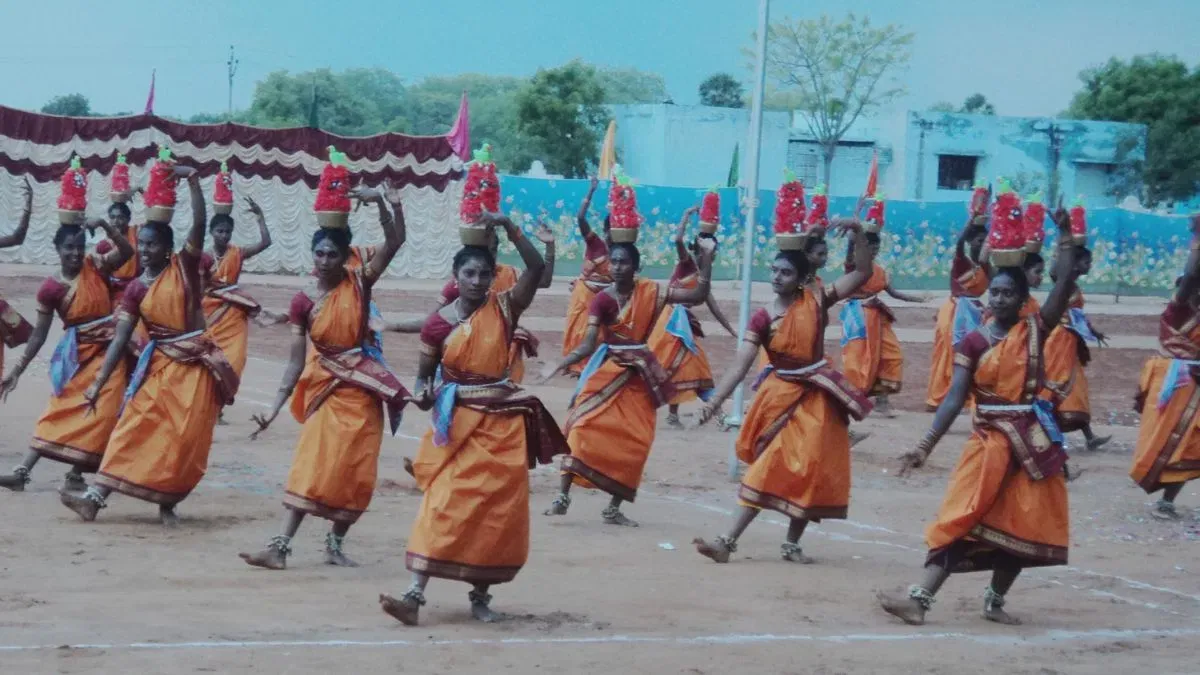
The Madras High Court recently prohibited female festival dancers from exposing certain body parts, citing protection of youth, a move criticized as enforcing elite aesthetic norms and marginalizing rural performers. Separately, BJP MP Medha Kulkarni's participation in Vat Purnima rituals at Pune's Mahatma Phule Wada sparked debate, with some viewing it as ideological provocation against social reformers, while others emphasize constitutional rights to religious freedom. Both cases highlight tensions between cultural traditions, social reform legacies, and individual rights in India.

TBN's observations

First-hand measurement across 2 sources

We measured how 2 outlets covered this story. Coverage leans left-leaning overall (Left 45%, Centre 20%, Right 35%). Overall sentiment is neutral (42/100). Lens Score 23/100 — low public interest.

Outlets analysed (first-hand measurement by TBN's Bias Engine):

  • opindia— right-leaning framing, neutral sentiment
  • theprint— left-leaning framing, negative sentiment
Political Bias
45%20%35%
Sentiment
42%
AI analysis of 2 sources · Published under editorial oversight by The Balanced News
Analysed 2 Jul 2026· How this analysis is produced· Editorial standards· Corrections

AI Analysis

Political bias across 2 sources
● Left 45%● Center 20%● Right 35%

The articles represent contrasting perspectives: one critiques judicial actions as enforcing upper-caste cultural norms and marginalizing marginalized women, reflecting a progressive or left-leaning viewpoint; the other defends individual religious freedoms against perceived ideological gatekeeping, aligning with a conservative or right-leaning stance. Together, they illustrate the polarized discourse on cultural identity, social reform, and constitutional rights in India.

Sentiment — Neutral (42/100)

The overall tone across the articles is mixed, combining critical views of judicial overreach and cultural suppression with defensive arguments supporting religious freedom and constitutional liberties. The coverage reflects tension and contestation rather than celebratory or wholly negative sentiment, highlighting ongoing societal debates without clear resolution.

How 2 sources covered this story

Reviewed byAniket Awate· Culture & Digital Media Writer· Edited byOjas Kale
← Previous
IRCTC Launches Multiple Bharat Gaurav Pilgrim Special Trains in July
Next →
Mumbai Man Dies After Falling Into Open Manhole During Monsoon Maintenance Work

Each source's own headline, political lean, and sentiment — so you can see framing differences at a glance.

SourceTheir headlineBiasSentiment
opindiaIndian Express targets BJP MP Medha Kulkarni over Vat Purnima at Phule Wada: How ideological gatekeepers manufactured caste divides to attack Hindu traditionsRightNeutral
theprintMadras HC, don't police wardrobes of folk artists. Protect their fundamental rights insteadLeftNegative

Coverage timeline

theprint broke this story on 1 Jul, 06:16 pm. Other outlets followed.

  1. 1
    theprint1 Jul, 06:16 pm
    Madras HC, don't police wardrobes of folk artists. Protect their fundamental rights instead
  2. 2
    opindia2 Jul, 10:12 am
    Indian Express targets BJP MP Medha Kulkarni over Vat Purnima at Phule Wada: How ideological gatekeepers manufactured caste divides to attack Hindu traditions

Lens Score breakdown

23/100
Public interest0/100
Coverage gap100%

Well-covered story — coverage matches public importance.

Accountability flags

TBN's analysis identified the following accountability dimensions in this story.

  • abuse of power

    This story involves alleged misuse of official authority or institutional position to achieve personal or political ends.

  • rights violation

    This story involves alleged violations of constitutional or human rights — freedom of expression, due process, custodial rights, minority rights.

Who's involved

Institutions and figures named across source coverage.

Government
Local PoliceMaharashtra Archaeology DepartmentMadras High Court
Political
BJPMember of ParliamentRajya Sabha
Enforcement
Local PolicePolice
Judiciary
Madras High CourtSupreme Court

Story context

Category
Social
Location
Chennai, India
Sources analysed
2
Last analysed
2 Jul 2026
Key entities
CasteIndiaMaharashtraSubaltern (military)ProhibitionAestheticsInformal economyLaw enforcementFolk musicWorking classChennaiTamil Nadu