Skip to content
Get the Balanced News app for a better experience!
The Balanced News Logo
Analytics
The Balanced News Logo

Stay Balanced, Stay Informed

Menu
  • Browse News
  • Underreported Stories
  • Curated Feeds
  • Insights
  • Analytics
  • Our Writers
  • About Us
  • Download App
Learn
  • How It Works
  • Bias Detection
  • Lens Score
  • Source Bias Checker
  • Accountability
  • Custom Feeds
Newsroom
  • Writers & Analysts
  • About TBN
  • Editorial Standards
  • Corrections Policy
  • Our Partners
  • Insights
Socials
  • Youtube
  • Instagram
  • X
  • Facebook
News Categories
  • Trending
  • Politics
  • Sports
  • Business
  • Tech
  • Entertainment
  • Health
  • Science
  • Crime
  • Lifestyle
  • National
  • International
  • Good News
  • Crypto

Get Our App

Available for iOS and Android


LensFeedsInsightsAnalyticsTrendingGood NewsSportsPoliticsBusinessCrimeTechEntertainmentHealthNationalInternational

© 2026 The Balanced News. All rights reserved.

About UsEditorial StandardsCorrectionsHelp & SupportPrivacy PolicyTerms & Conditions
U.S. Projects Use Dredged Materials to Restore Coastal and Aquatic Habitats
Categories

Categories

Related Coverage

Select a news story to see related coverage from other media outlets.

Related Coverage

Select a news story to see related coverage from other media outlets.

  1. Home
  2. /
  3. Social

U.S. Projects Use Dredged Materials to Restore Coastal and Aquatic Habitats

Analysed 18 Sept 2026·3 sources analysed·Buffalo, New York, United States·Social
U.S. Projects Use Dredged Materials to Restore Coastal and Aquatic HabitatsPreviousNext

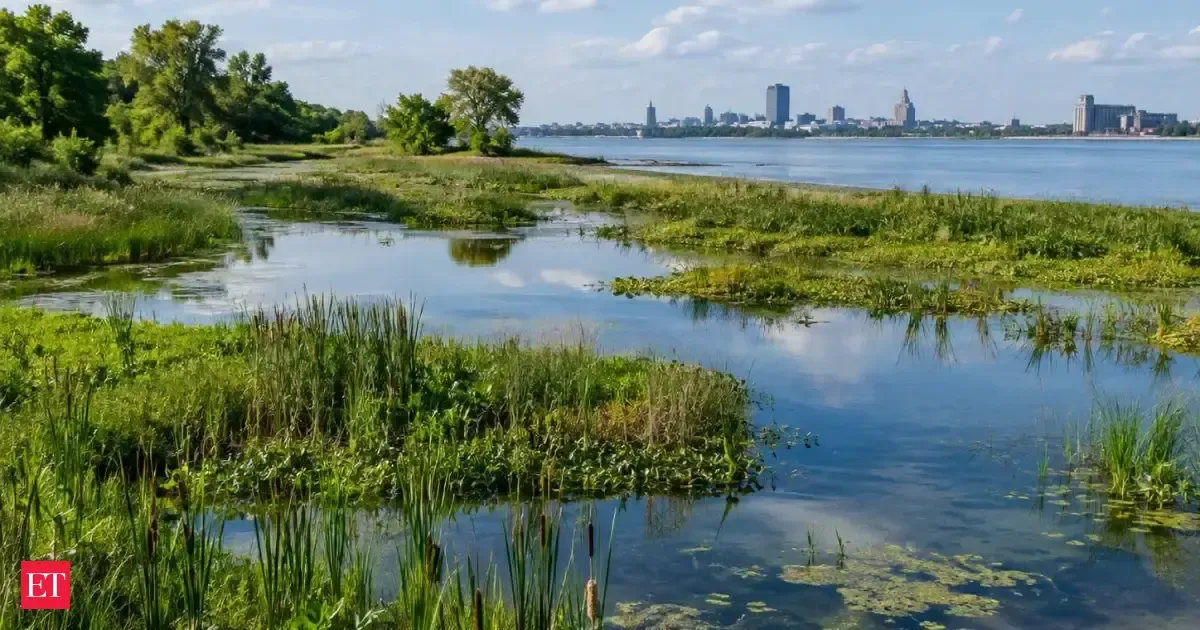
Three U.S. environmental restoration projects demonstrate innovative uses of dredged materials to revive coastal and aquatic habitats. In Georgia, 160,000 cubic yards of harbor mud formed an eight-acre island supporting over 300 bird nests, addressing habitat loss. Buffalo repurposed 56,000 cubic yards of sediment to restore Unity Island's North Pond, doubling fish species and improving habitat quality. In New York City, scientists raised Big Egg Marsh with sand and planted cordgrass, showing long-term marsh recovery. These efforts highlight practical approaches to ecosystem restoration amid environmental challenges.

Sentiment
73%
TBN's observations

First-hand measurement across 3 sources

We measured how 3 outlets covered this story. No outlet gave this story a measurable political slant — there is no left–right reading to report. Overall sentiment is positive (73/100). Lens Score 44/100.

Outlets measured: economictimes, economictimes, economictimes. See how each one headlined and framed the same story in the source comparison below.

AI analysis of 3 sources · Published under editorial oversight by The Balanced News
Analysed 18 Sept 2026· How this analysis is produced· Editorial standards· Corrections

AI Analysis

Sentiment — Positive (73/100)

Sentiment was consistent across outlets (68–75/100), indicating broadly factual reporting rather than editorialising.

Coverage timeline

economictimes broke this story on 17 Sept, 09:01 pm. Other outlets followed.

17 Sept, 09:01 pm3 sources · 12 h18 Sept, 09:13 am
AI analysis by the TBN Bias Engine · beat methodology byAniket Awate· Culture & Digital Media Writer· editorial standards byOjas Kale
← Previous
Razia Sultan Ismail, Journalist and Child Rights Advocate, Dies at 87
Next →
Fiji Declares National HIV Emergency Amid Rising Infections and Expanded Response
  1. 1
    economictimes17 Sept, 09:01 pm
    A New York City marsh was disappearing for decades; scientists added 20 inches of sand and watched what happened next
  2. 2
    economictimes18 Sept, 09:13 am
    Savannah turned 160,000 cubic yards of mud removed from its harbor into an 8-acre island; birds built more than 300 nests there in the first season
  3. 3
    economictimes18 Sept, 09:13 am
    In 2018, Buffalo moved 56,000 cubic yards of mud dug from its waterways to Unity Island; habitat quality rose 128.8 , and fish species doubled

Who's involved

Institutions and figures named across source coverage.

Government
United States Environmental Protection AgencyGateway National Recreation AreaNational Park ServiceUnited States Geological SurveyUnited States Army Corps of EngineersNew York State Department of Environmental ConservationNational Oceanic and Atmospheric Administration

Story context

Category
Social
Location
Buffalo, New York, United States
Sources analysed
3
Last analysed
18 Sept 2026
Key entities
DredgingHabitatNorth AmericaUnited States Army Corps of EngineersUnited StatesLouisianaWetlandEcosystemBirdSavannah, GeorgiaWaderArtificial island