India's Population Trends and Education's Role in Managing Fertility Rates
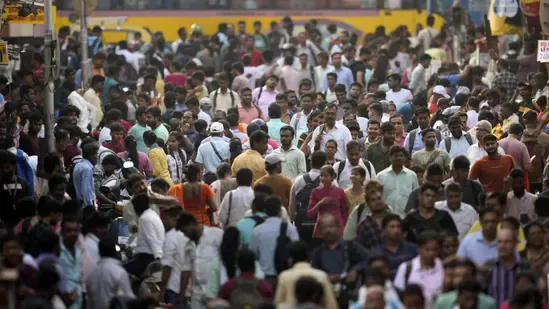
On World Population Day, discussions highlight India's youthful demographic and declining fertility rates, now below replacement level as per recent National Family Health Surveys. Education emerges as a key factor in managing population growth by empowering informed reproductive choices, delaying marriage, and reducing fertility. Government initiatives promoting girls' education and family planning have contributed to these trends, though concerns remain about future challenges from an ageing population and the need for comprehensive population studies in education.
First-hand measurement across 3 sources
We measured how 3 outlets covered this story. Coverage leans balanced overall (Left 13%, Centre 84%, Right 3%). Overall sentiment is positive (67/100). Lens Score 26/100 — low public interest.
Outlets analysed (first-hand measurement by TBN's Bias Engine):
- hindustantimes— balanced framing, neutral sentiment
- zeenews— balanced framing, positive sentiment
- thehindu— balanced framing, neutral sentiment
AI Analysis
The articles collectively present a policy-focused perspective emphasizing government initiatives and educational programs without partisan framing. They highlight official data and United Nations themes, reflecting a consensus on the importance of education and family planning. Diverse viewpoints include demographic concerns and policy evaluations, maintaining a neutral stance on political implications.
The overall tone is informative and cautiously optimistic, recognizing achievements in education and fertility reduction while acknowledging potential future demographic challenges. Coverage balances positive developments with warnings about ageing populations, maintaining a measured and neutral sentiment throughout.
How 3 sources covered this story
Each source's own headline, political lean, and sentiment — so you can see framing differences at a glance.